



Partial loads and full loads - cost-effective transport for faster and more flexible supply chains

What are part-loads and full-loads?
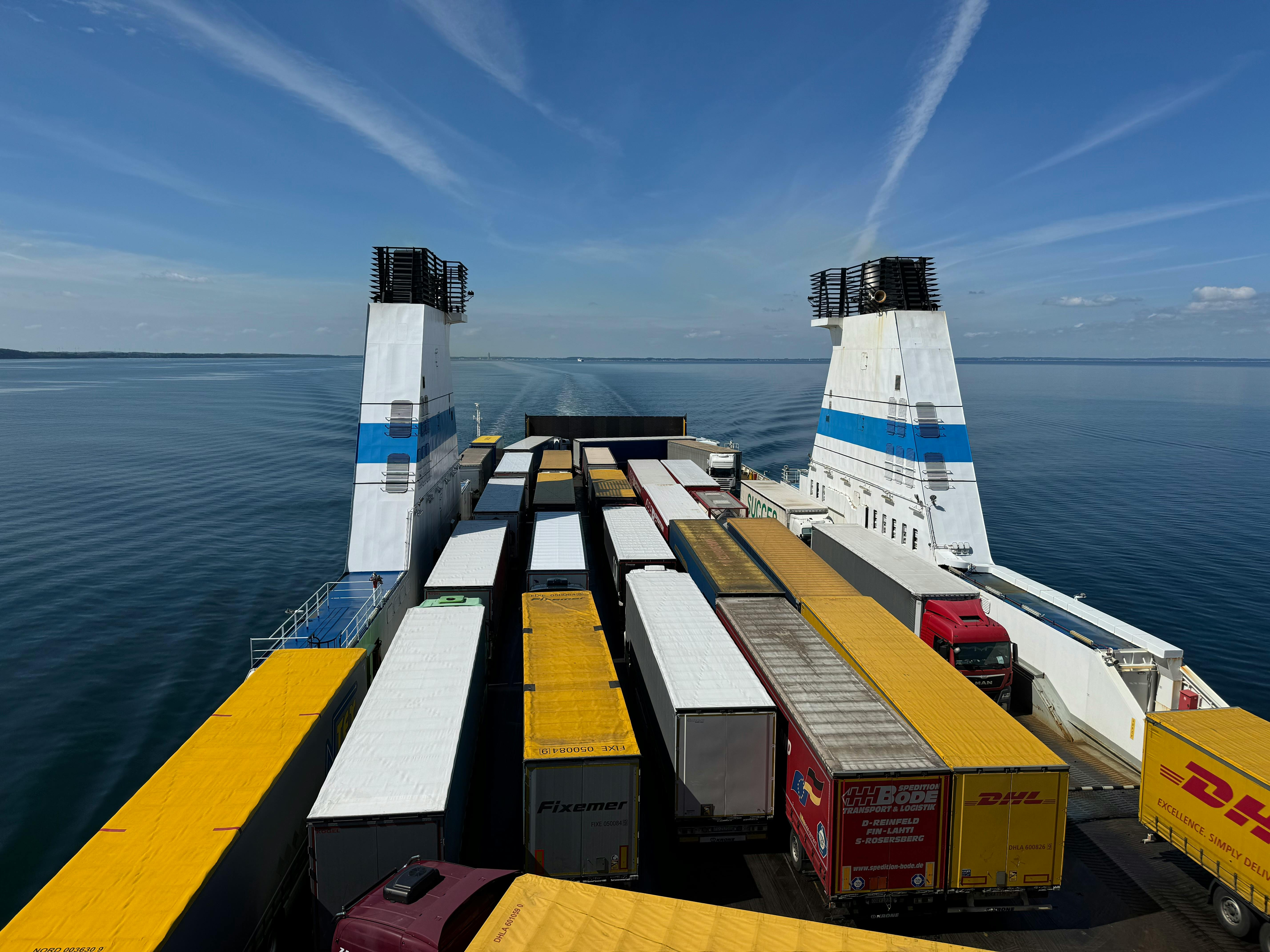
Part-loads means several shipments sharing the same transport where each consignment fills part of the vehicle volume. Full loads means one transmitter using the total vehicle capacity for one load. Both models are designed to ensure cost-effective and reliable delivery in accordance with quantity, speed and budget requirements.
For whom
Participating loads are ideal for smaller e-commerce companies, retailers and suppliers wishing to reduce transport costs without significantly extending delivery times. Full loads are suitable for manufacturers, wholesalers and businesses of larger lots that require a rapid and uniform supply flow and a maximum control of freight transport.
Why is this valuable
The combined approach allows optimisation of costs and delivery speed according to the specific situation. Consolidation reduces unit transport costs, while full loads ensure higher speed and easier logistics management. This flexibility helps to reduce stagnations in storage, improve capital use and increase customer satisfaction.
Main advantages
- Cost-efficient transport - lower unit costs through optimal transport model selection and consolidation.
- Flexible planning - real-time decisions between sub-loads and full loads according to demand.
- <Quick delivery time - full loads reduce the number of stops and ensure direct transport between key areas.
- Environmental sustainability - less empty journeys due to consolidation reduces CO2 footprint
- <<<Skalautus< Consolidation combines several smaller shipments into a functional unit, while full loads guarantee fast, targeted transport. The result is supported by dynamic route optimisation, real-time monitoring and transparent pricing.
Differences and strengths
- Data-based consolidation - smart algorithms optimise load connections and reduce idling speeds.
- The network and networking - a wide network of carriers provides a strong basis for competitive prices and shorter delivery times.
- SLA and risk management - certain service levels, backup plans and insurance for critical shipments.
Summary
Flexible approach combining part loads and full loads creates a strong basis for a reliable supply chain. The option to choose or mix models according to the requirements allows you to improve margins, reduce the environmental impact and accelerate customer access.
We invite you to act
Contact us to discuss a customized solution that balances part-time, full-load and consolidation, and bring cost-effective transport to your supply chain.
Comments (0)