


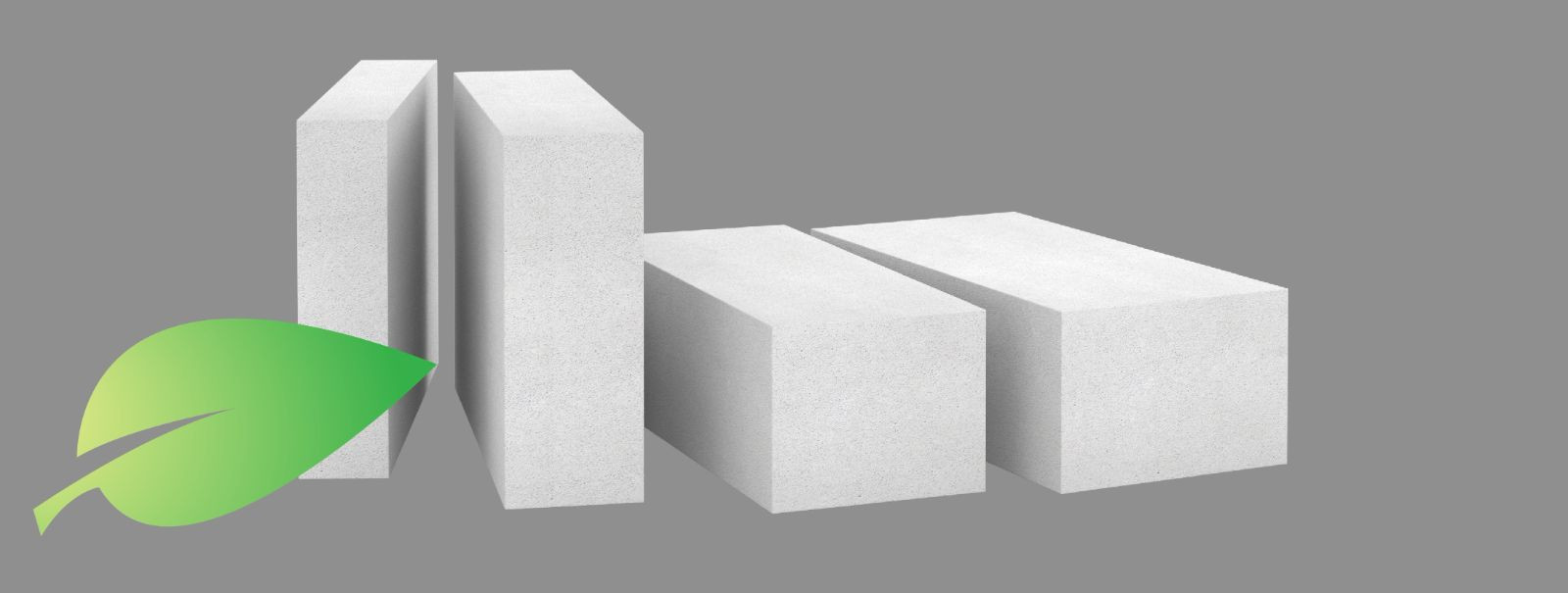
The benefits of eco-friendly building materials

In the modern construction industry, the demand for sustainable and eco-friendly building materials is on the rise. As environmental concerns become more pressing, architects, builders, and construction companies are increasingly turning to materials that not only meet the aesthetic and functional needs of their projects but also contribute positively to the environment. Eco-friendly building materials are designed to minimize the environmental impact of construction, offering a range of benefits that extend beyond the immediate project.
Environmental Benefits
One of the primary environmental benefits of using eco-friendly building materials is the significant reduction in carbon footprint. These materials are often sourced from renewable resources and are manufactured using processes that emit fewer greenhouse gases. By choosing sustainable materials, construction companies can play a crucial role in combating climate change.
Eco-friendly materials are typically made from recycled or rapidly renewable resources, which helps in conserving natural resources. For example, materials like bamboo, reclaimed wood, and recycled metal reduce the need for virgin resources, thereby preserving forests and reducing the strain on ecosystems.
Economic Advantages
While the initial cost of eco-friendly materials may sometimes be higher than traditional options, they often prove to be more cost-effective in the long run. These materials are designed to be durable and require less maintenance, reducing repair and replacement costs over time.
Eco-friendly building materials contribute to energy efficiency, which can lead to significant savings on utility bills. By improving insulation and reducing energy consumption, these materials help lower heating and cooling costs, providing financial benefits to building owners and occupants.
Health and Well-Being
Many traditional building materials release volatile organic compounds (VOCs) and other harmful chemicals into the air, which can negatively impact indoor air quality. Eco-friendly materials, on the other hand, are often free from these toxins, promoting healthier indoor environments and reducing the risk of respiratory issues.
Eco-friendly materials are designed to enhance the comfort and safety of building occupants. They often provide better thermal insulation, soundproofing, and moisture control, creating a more comfortable and safe living or working environment.
Energy Efficiency
Eco-friendly building materials are known for their superior insulation properties, which help maintain consistent indoor temperatures. This reduces the need for artificial heating and cooling, leading to lower energy consumption and a reduced environmental impact.
By improving the energy efficiency of buildings, eco-friendly materials contribute to a reduction in overall energy consumption. This not only benefits the environment but also results in lower energy bills for building owners and occupants.
Innovation and Aesthetic Appeal
Eco-friendly building materials offer a wide range of design possibilities, allowing architects and builders to create innovative and aesthetically pleasing structures. These materials can be used in various applications, from modern minimalist designs to more traditional styles.
With advancements in technology, eco-friendly materials now come in a variety of textures, colors, and finishes, providing architects and builders with the versatility to achieve their desired aesthetic outcomes without compromising on sustainability.
Comments (0)