


Feed preserving - longer shelf life and better silage quality

Sustainable and reliable preservation of feed
Feed preservation means precise measures for the long-term preservation of feed so that animals can always have stable and nutritious food. Focusing on the improvement of silage pH and aerobic stability , the deterioration after opening is avoided and the quality of the silage is kept high even in long-term storage.
Who benefits from this?
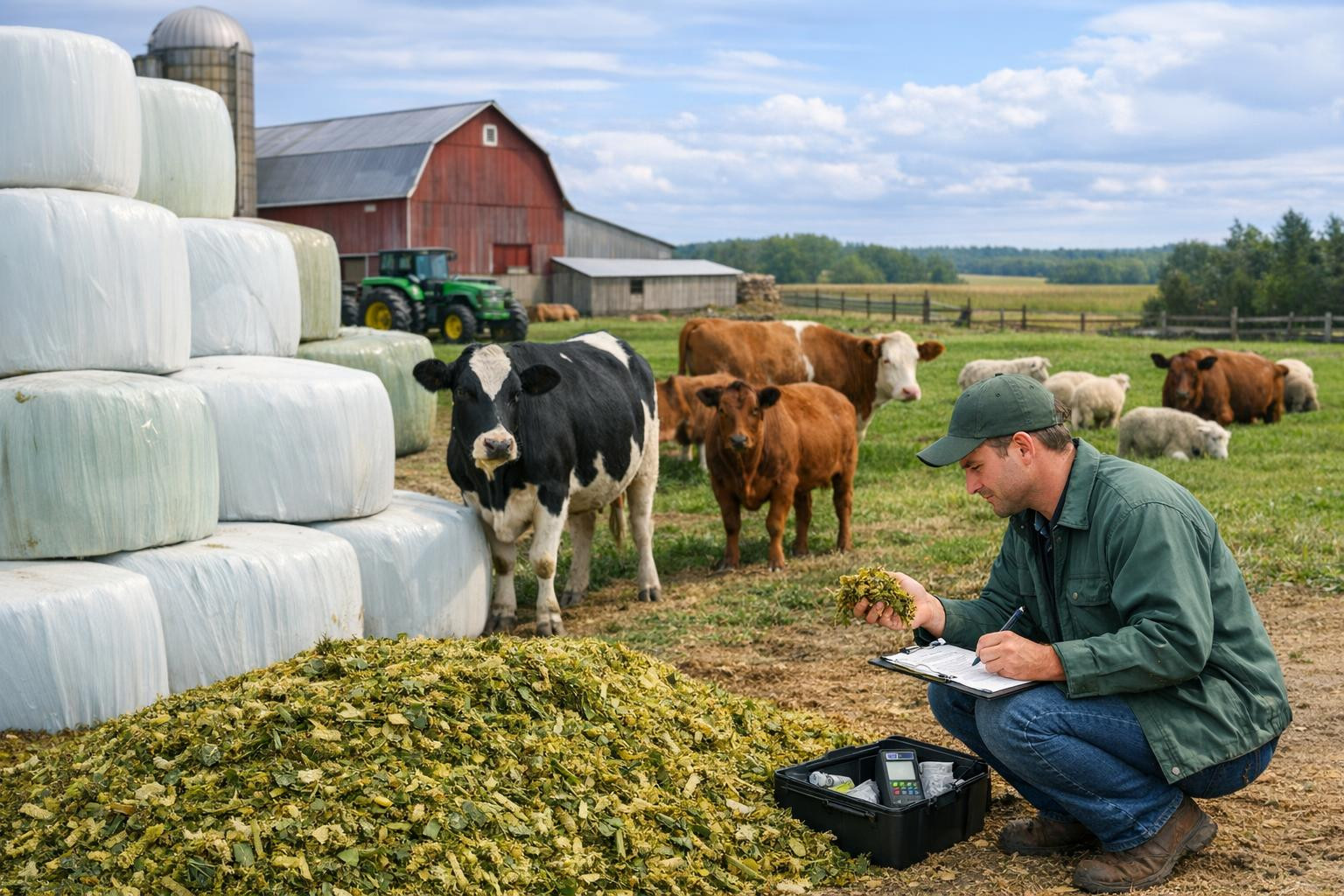
Full fit for any dairy and beef farmer, feed producer and agricultural cooperative wishing to reduce feed waste, improve animal health and optimise costs. The ideal solution for farms where silage is opened regularly and aerobic deterioration is a recurring problem.
Why is it important?
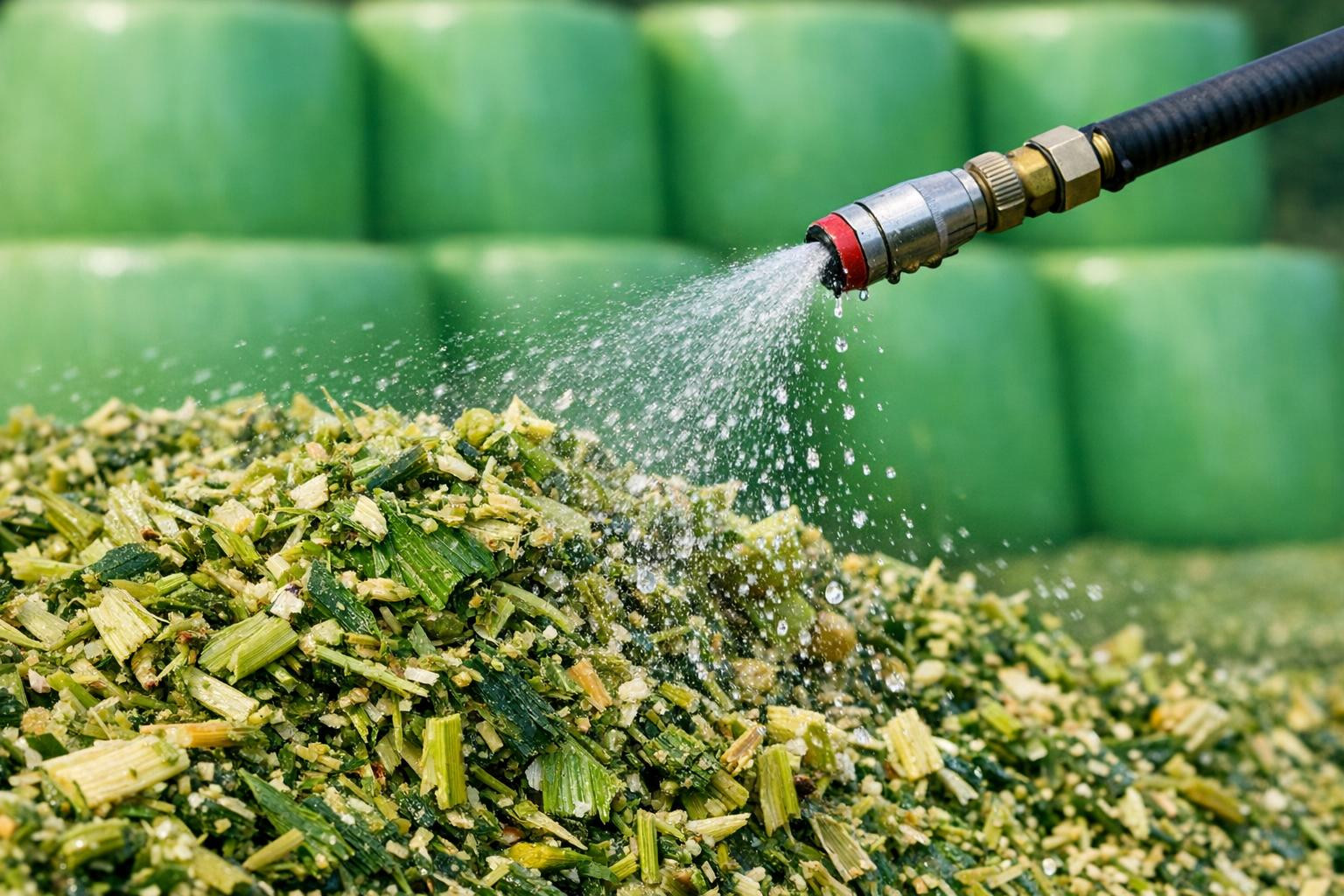
The reduction of the pH of silage ensures fast fermentation and inhibits the growth of harmful micro-organisms. Improved aerobic stability prevents molding and heating after opening the cylinder, preserving the taste, odour and nutrient content of silage. As a result, your silage feed quality will be maintained and the productivity from the animal feed unit will increase.
Main advantages and properties
- Effective pH control: fast and stable silage pH reduction reduces the risk of deterioration and promotes good fermentation.
- li>lie>lie>lie>lie>lie>lie lie lie lie>lie lie lie is compatible with existing silage and large investments.lie </lie
What differenti
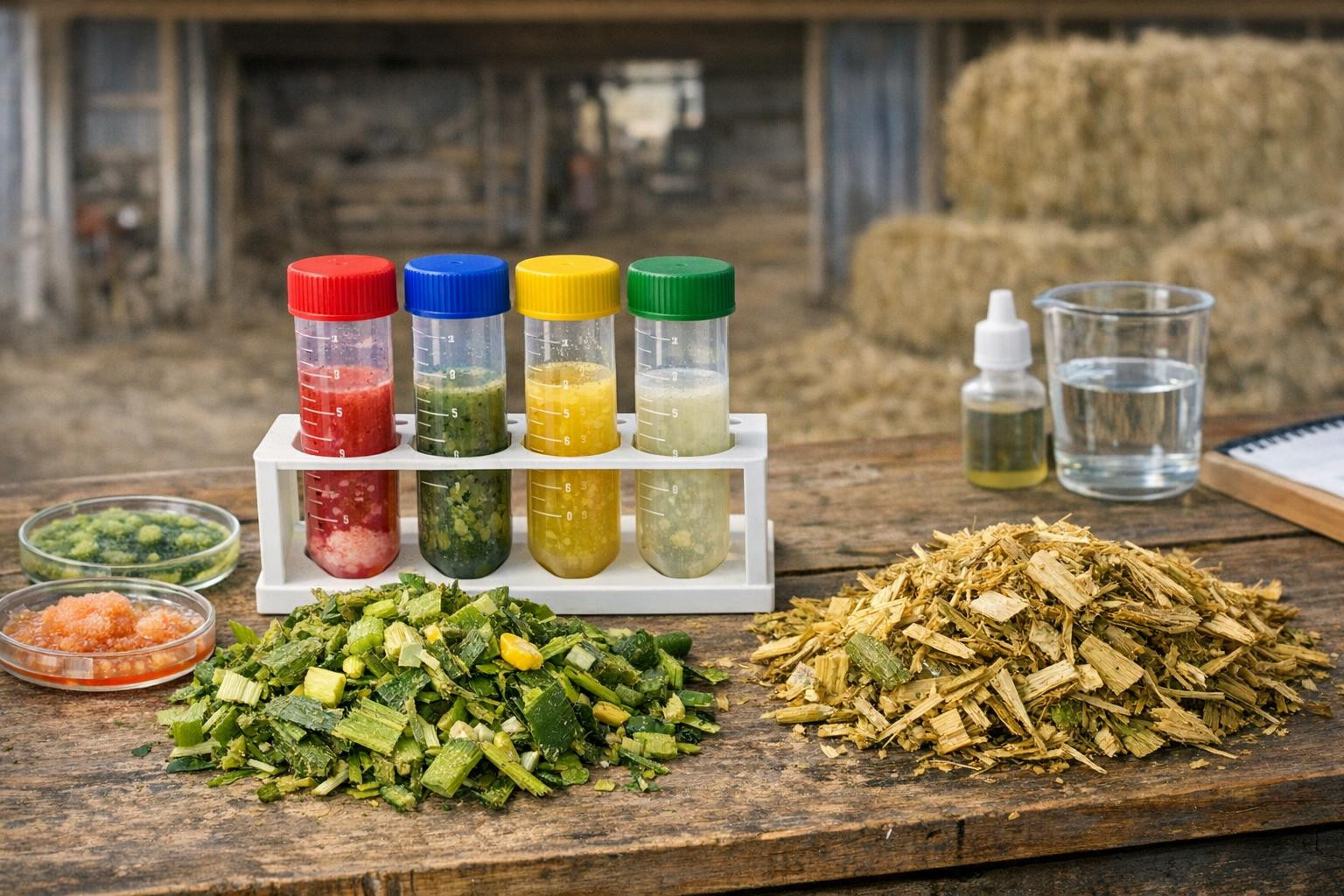
lie lie Laboratory-tested and field-validated solutions operate at low doses, reducing the use of chemicals and maintaining the quality of silage withstandance to normal methods. In addition, on-site advice and monitoring strategies are offered to achieve a consistent and measurable ROI.How to start?
Step-by-step evaluation begins with analysis of the existing condition of the silo, measurement of the pH‐level and selection of the recommended solution according to the silo type and storage conditions. Regular monitoring will ensure that the achieved aerobic stability and quality of silage persist in the long term.
Summary: focusing strategically on lowering the pH of silage and strengthening aerobic stability, the preservation of feed will be maintained effectively - less waste, better quality of silage and stable nutrient performance.
Comments (0)