


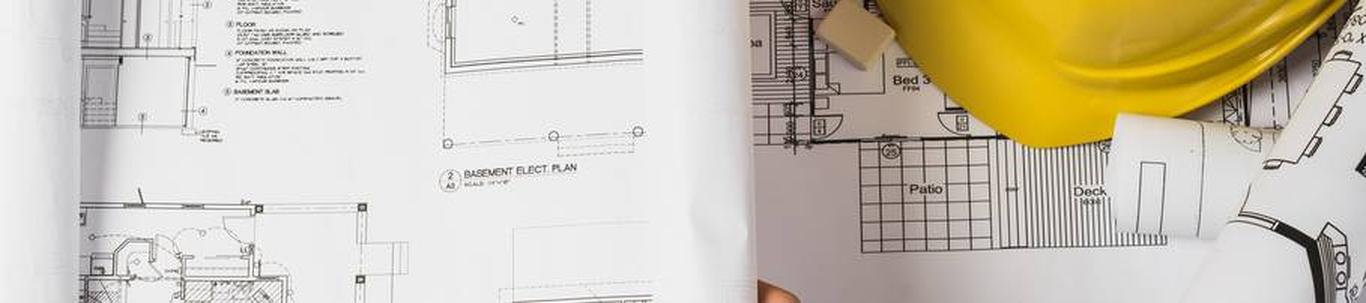
Integrated construction: architecture, engineering services and project management in one whole

Integrated construction brings together architecture, engineering services and project management into one coordinated workflow, so that the development of the building can move from idea to implementation in a clear, efficient and high-quality way. If the aim is to create a thought-out, energy-efficient and sustainable building, an integrated approach will provide a solid basis for better decisions, lower risks and smoother implementation.
This comprehensive solution is suitable for both developers and owners of buildings who want to avoid fragmentation between different parties. If architecture, technology systems, design and coordination work together, a result is produced which is both functional, visually strong and long life.
Why choose an integrated construction solution?
The success of construction projects often depends on how well the different areas are connected. The integrated approach reduces misunderstandings, speeds up the decision-making process and helps to avoid costly reworking. One team or one clearly managed work process means better control of both quality, schedule and budget.
- Architecture creates a strong spatial and aesthetic entity.
- Innovation services ensure technical performance and reliability.
- Project management keeps the whole process under control. li>
- Energy efficiency helps reduce operating costs and improve building performance.
- Strong> supports responsible and forward-looking development. </
Integrated working method helps to create buildings that are better adapted to the needs of real users. This means smarter space use, thought-out technology systems and solutions that support the long-term value of the building. The result is a project that is attractive both during the development phase and after years of operation.
Energy efficiency and sustainability as a competitive advantage
In today's construction Energy efficiency and long have become a significant competitive factor. A well-designed building consumes less energy, offers better indoor climate and helps to achieve environmental goals without giving in to the comfort of use. This will benefit both owners and developers who want to create value that persists.
The long-term solution does not mean compromises, but smartly selected materials, technologies and spatial planning. If the design and technical systems are compatible with each other, the building can function effectively throughout its lifetime. This reduces both energy costs and future administrative concerns.
Floating project management reduces risks
Project management is an important part of integrated construction, as it brings all parties together around the common goal. Clear coordination will help keep deadlines under control, prevent bottlenecks and ensure that decisions are born in good time. The better the process is managed, the more sure the end result is.
If both architecture and engineering services are combined in one system, the whole project becomes more transparent. The developer or the owner of the building will get a better idea of which solutions create the most value and how they affect both construction and subsequent use. This helps to make firmer decisions and move towards the goal without unnecessary obstacles.
Who does this approach suit?
Integrated construction solutions are particularly valuable to those looking for a reliable partner for more complex buildings and development projects. This is well suited for:
- li>developers who want a single and well-managed process;
- l>buildings owners who need a comprehensive innovation or development solution;
- li>customers who value quality, energy efficiency and long-term value;
- l>projects where technical consistency and sustainability are key.
A comprehensive approach that creates a lasting value
If architecture, engineering services and project management work towards a common goal, the construction process becomes clearer and results stronger. Integrated construction helps to create buildings that are smartly planned, energy-saving and sustainable - and at the same time economically reasonable.
This is a solution that supports both today's and tomorrow's needs. The result is not just a building, but a well thought-out environment that works well, lasts for a long time and creates visible value throughout the life cycle.

Comments (0)