


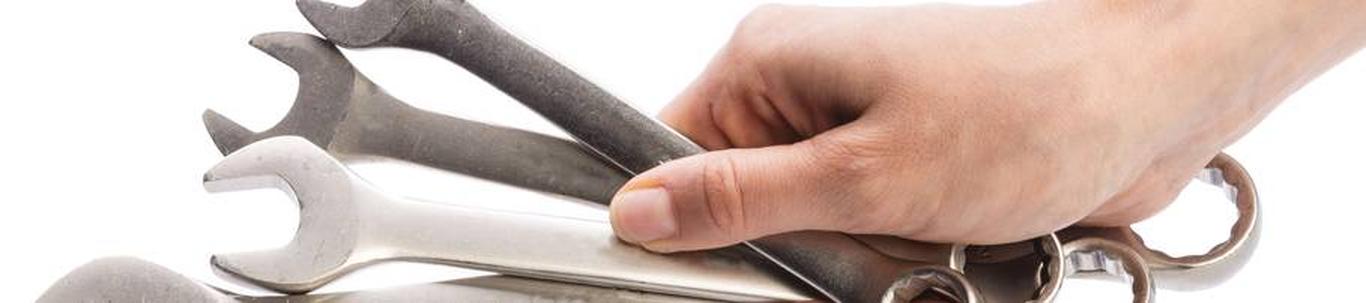
On-site maintenance: Preventive maintenance and thermal diagnostics reduce stagnation

On-site maintenance connects preventive maintenance, accurate thermodynamic diagnostics, regular lubrication and the installation of spare parts to ensure maximum working time and reliability of equipment. Practical, experience-based approach reduces unexpected malfunctions, extends the lifetime of equipment and quickly restores production in case of malfunctioning.
For whom
The target of the service is manufacturing plants, industrial complexes, the energy sector, and anyone who is dependent on critical equipment and cannot afford an excessive standstill period. The solution is particularly valuable for maintenance teams, technical managers and operational managers who need a reliable process to prevent and quickly recover a malfunction.
Why is it important
<<Preventive maintenance reduces costly interruptions, thermal diagnostics detects early problems before they become an emergency, and regular mixing ensures optimal operation of consuming parts. Coordinated installation with existing spare parts management creates a smooth key-hand process that speeds up repair and reduces logistical delays.
Principal lines and advantages
- <Preventive maintenance - regular control plan that reduces unexpected stops and plans maintenance optimally with a production schedule. li>Termodiagnostika - camera-based and analytical approach that detects overheating, contact problems and early wear signals.
- May - a timed and condition-based milling that extends the life span of the camps, gears and other consumable components. > A wide network of spare parts and a clear process ensure that no days are expected due to the supply chain in the event of a malfunction. The report and maintenance history provide the driver with an overview of the improvement in reliability and cost reduction.
- First audit and prioritisation - picture and risk assessment of equipment situation.
- Maintenance plan - preventive maintenance cycle, lubrication schedule and thermodynamic schedule.
- Li>Regular execution - lubrication, thermodynamic checks and regular maintenance work on site.
- Li>Maintenance and installation of parts - quick access to spare parts and professional installation if necessary.
- Li>Documentation and analysis - maintenance history, cost and standstill reports and improvements.



Comments (0)