


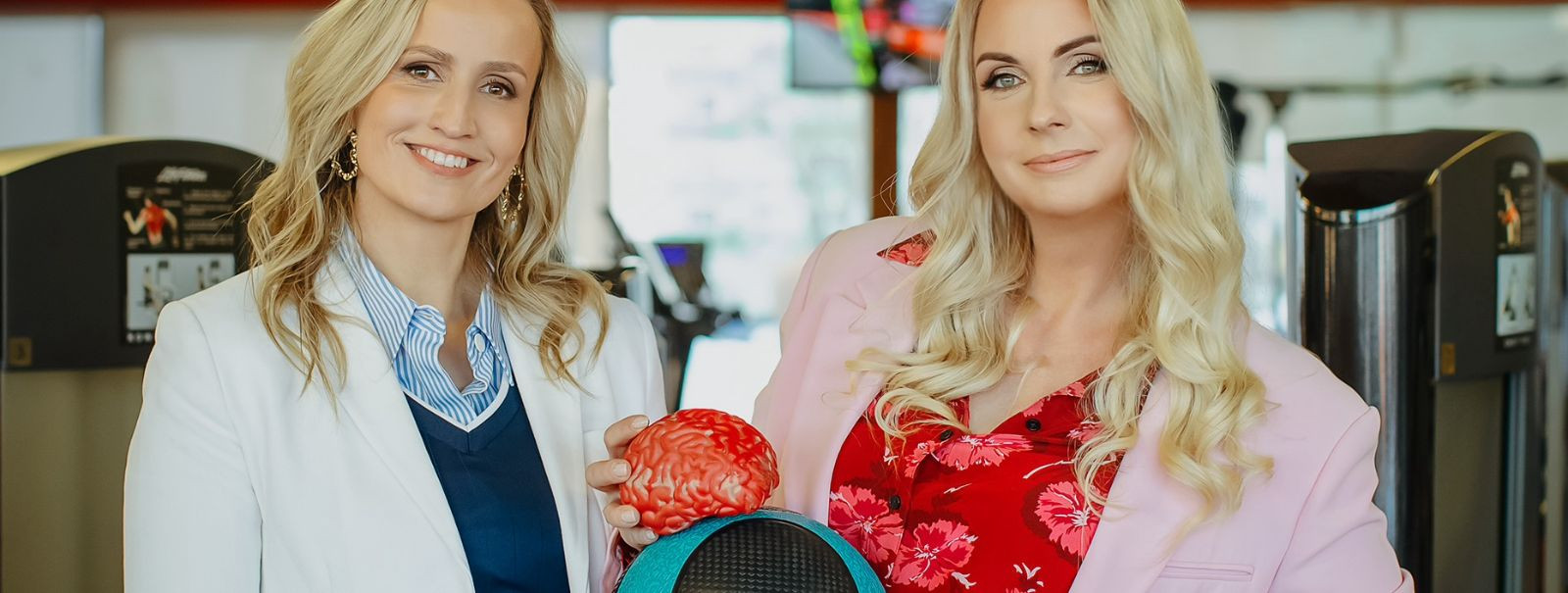
Building stronger teams: strategies for success

In today's fast-paced business environment, the strength of a team can make or break an organization. Strong teams are the backbone of successful companies, driving innovation, productivity, and growth. However, building and maintaining such teams is not without its challenges. From communication barriers to diverse work styles, modern teams face numerous obstacles that can hinder their effectiveness.
Understanding Team Dynamics
Leadership plays a pivotal role in shaping team dynamics. Effective leaders inspire, motivate, and guide their teams towards achieving common goals. They understand the unique strengths and weaknesses of their team members and leverage these to foster a cohesive and productive environment.
To build a stronger team, it's essential to identify and understand the individual strengths and weaknesses within the group. This knowledge allows leaders to assign roles that align with each member's capabilities, ensuring that the team operates at its highest potential.
Strategies for Building Stronger Teams
Communication is the cornerstone of any successful team. Implementing clear and open communication channels helps prevent misunderstandings and ensures that everyone is on the same page. Regular meetings, feedback sessions, and collaborative tools can enhance communication within teams.
A collaborative environment encourages team members to share ideas, support each other, and work together towards common objectives. Encouraging collaboration can be achieved through team-building activities, cross-functional projects, and creating a culture of openness and respect.
Diversity and inclusion are critical components of a strong team. Diverse teams bring a variety of perspectives and ideas, leading to more innovative solutions. Creating an inclusive environment where all team members feel valued and heard is essential for maximizing the potential of a diverse team.
Continuous learning and development are vital for keeping teams engaged and competitive. Providing opportunities for professional growth, such as workshops, training sessions, and mentorship programs, helps team members enhance their skills and contribute more effectively to the team's success.
Enhancing Team Cohesion
Trust is the foundation of any strong team. Building trust requires transparency, reliability, and mutual respect among team members. Leaders can foster trust by setting clear expectations, recognizing achievements, and addressing issues promptly and fairly.
Conflicts are inevitable in any team, but how they are managed can significantly impact team cohesion. Effective conflict resolution strategies involve active listening, empathy, and finding mutually beneficial solutions. Encouraging open dialogue and providing mediation resources can help teams navigate conflicts constructively.
Leadership Development for Team Success
Leadership development is not just for those in managerial positions. Encouraging leadership skills among all team members can enhance team performance and prepare individuals for future leadership roles. Providing leadership training and opportunities for team members to take on leadership responsibilities can foster a culture of growth and empowerment.
Effective leadership has a profound impact on team performance. Leaders who are supportive, communicative, and visionary can inspire their teams to achieve exceptional results. Investing in leadership development is crucial for building stronger teams and ensuring long-term success.
Recruitment and Team Building
Recruitment plays a critical role in team building. Hiring individuals who align with the team's values, culture, and goals can enhance team cohesion and performance. It's essential to consider not only the skills and experience of candidates but also their potential to contribute positively to the team dynamic.
Effective onboarding is crucial for integrating new team members and setting them up for success. A comprehensive onboarding process should include orientation, training, and opportunities for new hires to connect with their colleagues. This helps new team members feel welcomed, informed, and ready to contribute to the team's success.


Comments (0)