
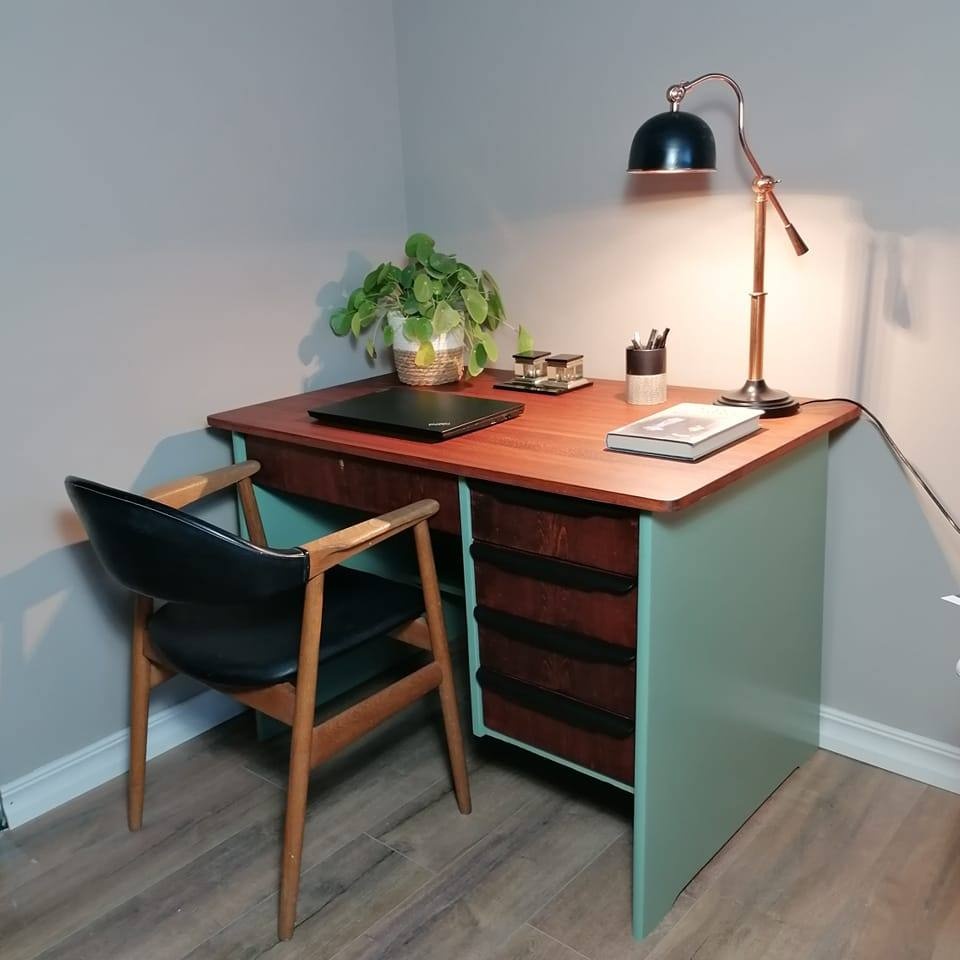


Restoration of furniture: practical training, room and high-quality tools in one solution

Why does the restoration of furniture bring value to the home and recreational restorer
The restoration of furniture combines creativity and practical skills by transforming old objects into personal and lasting solutions. Access to well-thought-out workspace, professional tools and high quality furniture paints reduces the risk of error and shortens the learning curve - resulting in strong and long-lasting restored furniture.
For whom
The solution is suitable for home enthusiasts as well as for start-up recreational restorers whose aim is to learn correct techniques and achieve professional-looking results. Suitable for those who assess sustainability, personality and quality and wish to carry out their project in a controlled environment.
Main advantages
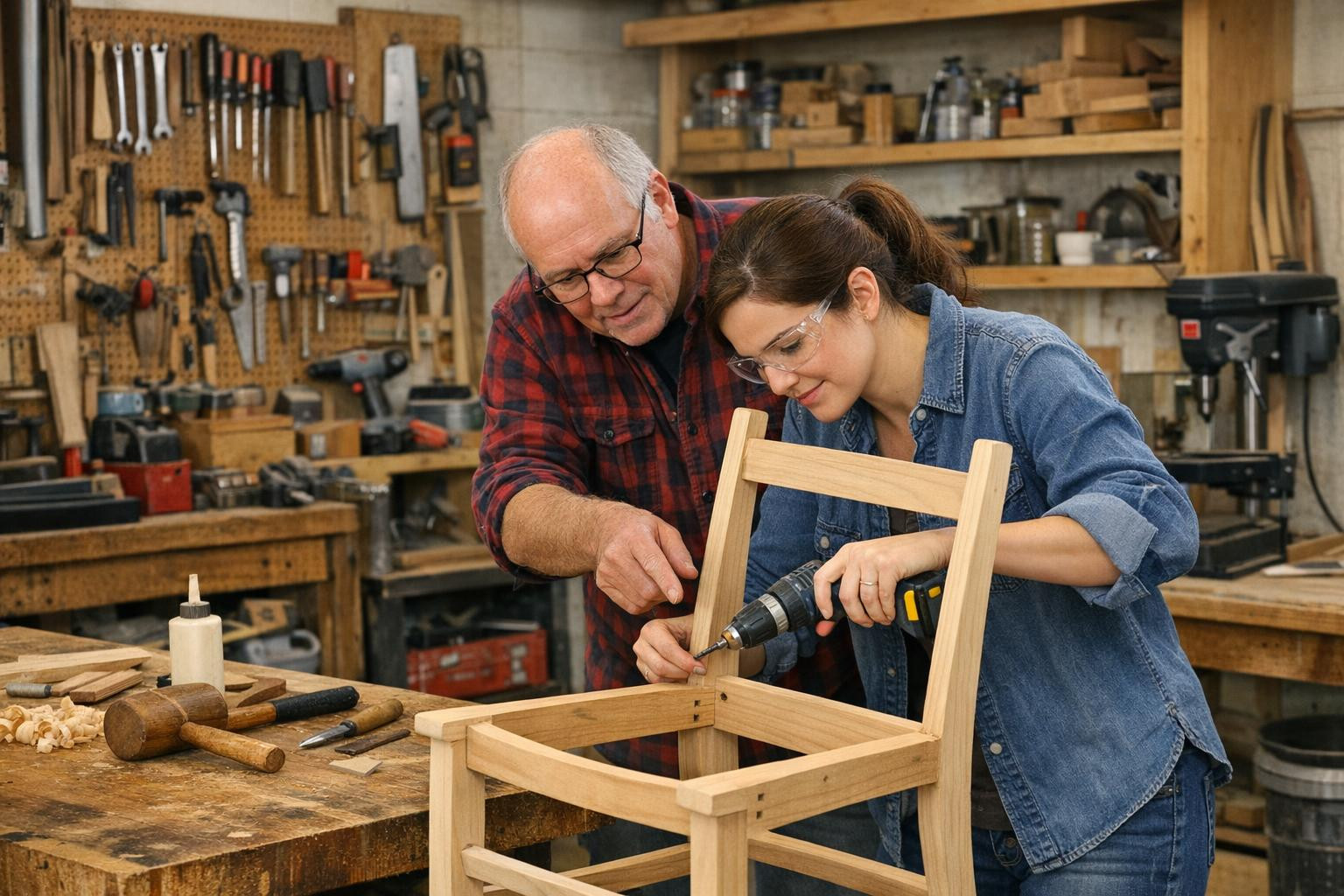
- Practical training - step-by-step instruction and techniques acquired directly in the presence of the tutor, which ensure a certain result.
- Workspace - equipped, safe and well-lighted area where work can be done without limitations of the home space.
- < < < < - professional abrasives, brushes, sprays and other tools that may otherwise be expensive or complex to obtain.
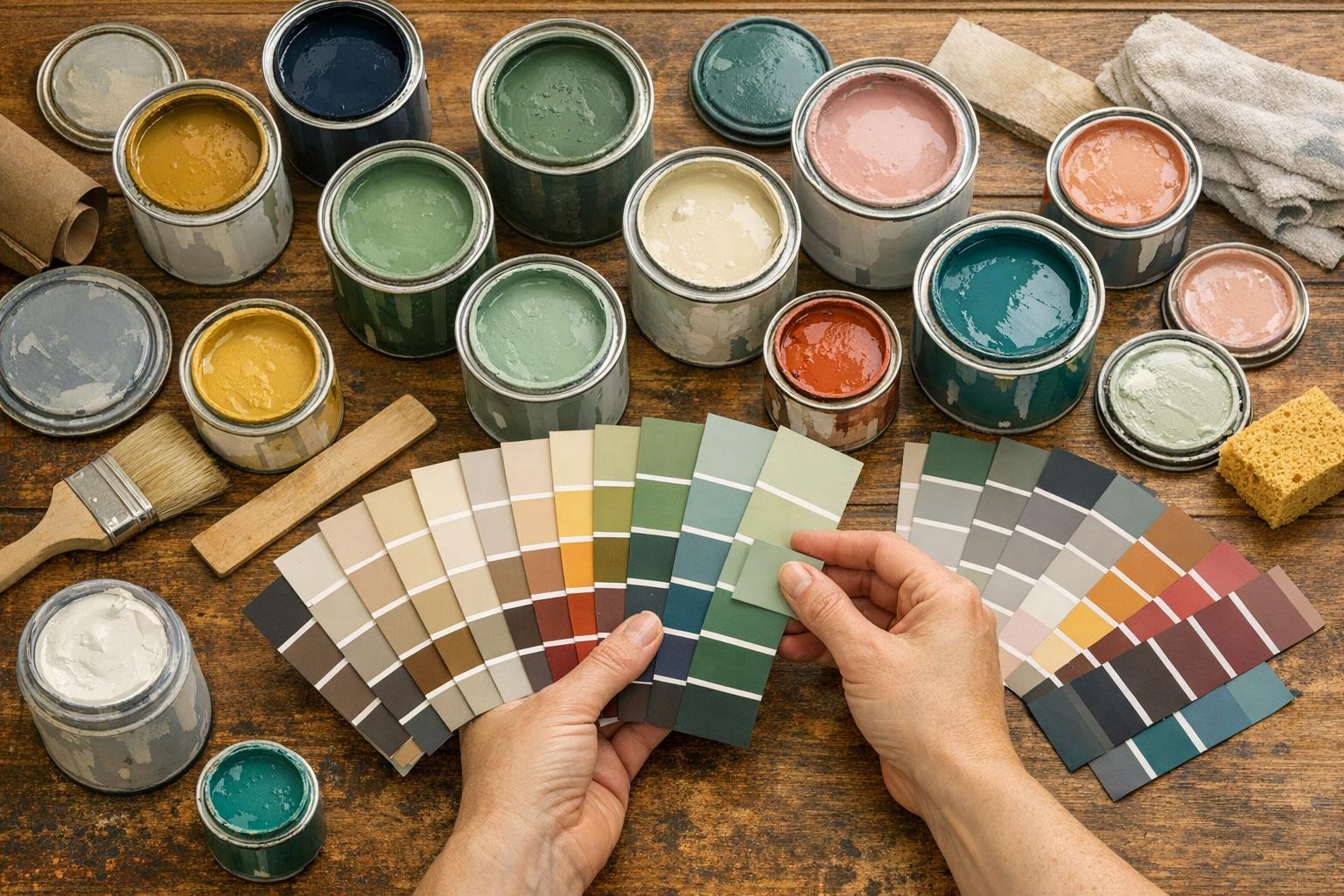
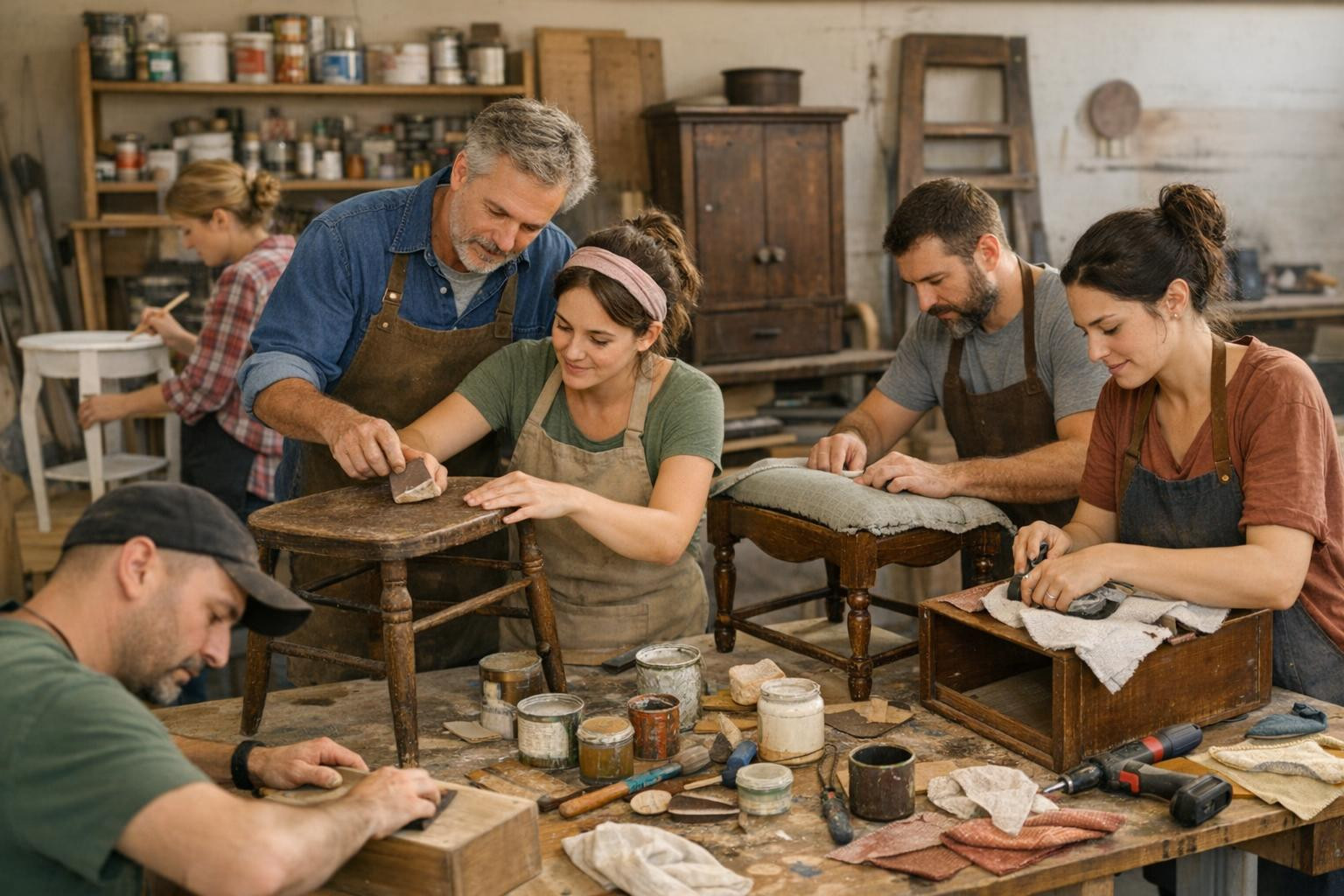
- strong>M Furniture colour and materials < Thereafter, practical training takes place in small groups or individually: pre-preparation, grinding, landscaping, painting and finishing. Subsequent supervised workshops sessions provide an opportunity to practice different techniques and receive feedback directly from the supervisor.
What distinguishes the solution offered
- Complex solution – materials, space and teaching are compiled into a single set that saves time and money.
- Practice over - theory is immediately focused on hand-side activities that speed up skills acquisition.
- li> Experienced supervisors - personal attention and practical tips increase self-confidence with each stage. Flexibility - the use of workspace and tools allows testing different surface treatments and furniture colour variants without making major investments.
What project gives practically
/h3>Persistent skills will also remain: knowledge of correct grinding, painting, choice of surface protection and correct use of tools that can be used in future projects.
How to start
Choose a suitable workshop or individual instruction, get or choose a furniture and discuss preferences regarding colour and finishing. The supervisor draws up an action plan and guides it at every stage, from preparation to final completion. With a suitable schedule and a combination of materials, each project can be implemented safely and effectively.
The key is practical learning, good workspace and tools in the right place, which make restoration easy and enjoyable. Preserve the personality of the furniture, save resources and create unique interior elements that can be proud to show.
Comments (0)