


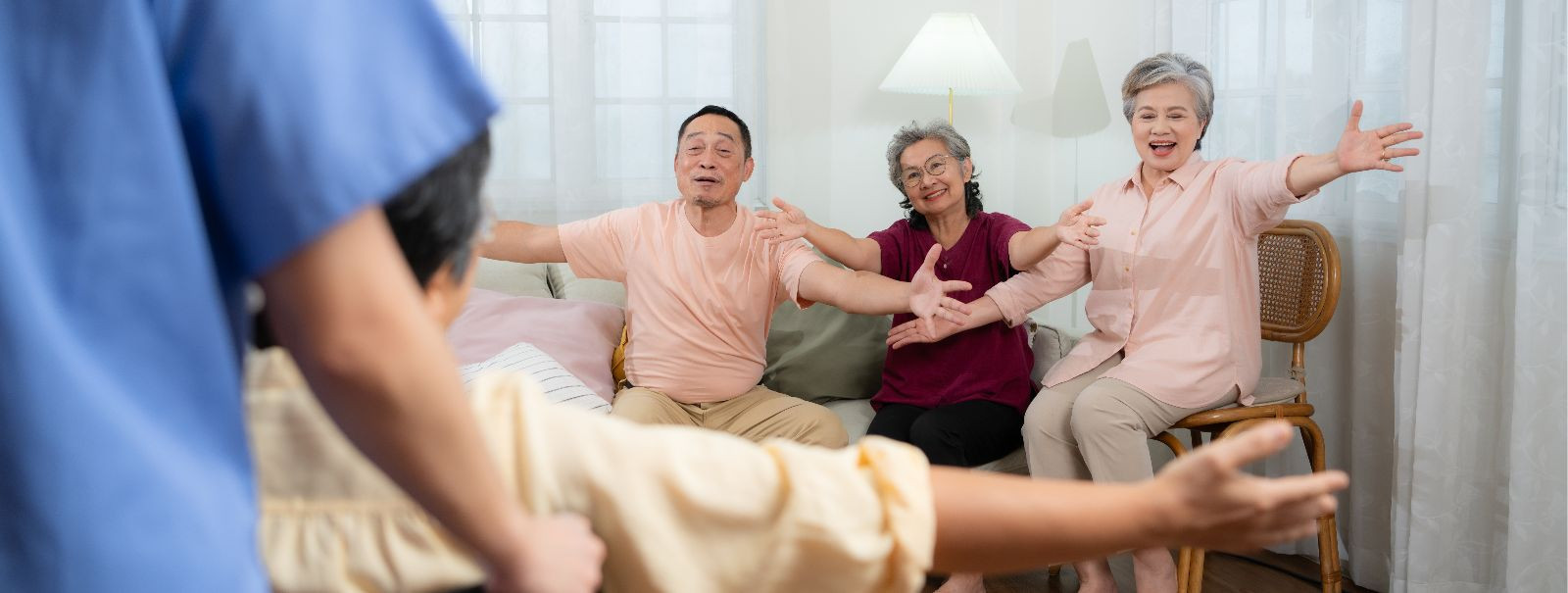
The importance of compassionate elderly care

As individuals age, their needs evolve, requiring a shift in the type of care they receive. Elderly individuals often face challenges such as decreased mobility, chronic health conditions, and cognitive changes. Understanding these needs is crucial for providing effective care that supports their well-being and independence.
Compassion is a fundamental component of elderly care. It involves empathy, patience, and a genuine desire to improve the lives of seniors. Compassionate care goes beyond meeting physical needs; it addresses emotional and psychological aspects, fostering a sense of dignity and respect.
2. The Benefits of Compassionate Care
Compassionate care significantly enhances the quality of life for elderly individuals. By focusing on their unique needs and preferences, caregivers can create a supportive environment that promotes happiness and fulfillment.
Emotional well-being is crucial for seniors, and compassionate care plays a vital role in nurturing it. Caregivers who show empathy and understanding can help alleviate feelings of loneliness and anxiety, contributing to a more positive outlook on life.
While providing necessary assistance, compassionate care also encourages seniors to maintain their independence. By empowering them to make choices and participate in daily activities, caregivers help preserve their autonomy and self-esteem.
3. Key Elements of Compassionate Elderly Care
Every individual is unique, and their care should reflect this. Personalized care plans are tailored to meet the specific needs and preferences of each senior, ensuring they receive the most appropriate support.
Trust is the foundation of any successful care relationship. Caregivers must build strong, trusting relationships with seniors and their families, fostering open communication and mutual respect.
Safety and comfort are paramount in elderly care. Compassionate caregivers prioritize creating a secure environment, addressing potential hazards, and ensuring that seniors feel comfortable and at ease.
4. Challenges in Providing Compassionate Care
One of the main challenges in elderly care is finding the right balance between providing assistance and allowing independence. Caregivers must be attentive to the needs of seniors while encouraging them to remain active and self-reliant.
Health issues are common among the elderly, and compassionate care requires addressing these concerns with sensitivity and expertise. Caregivers must be knowledgeable about medical conditions and treatments to provide effective support.
Emotional barriers such as fear, depression, or resistance to care can hinder the effectiveness of compassionate care. Caregivers need to be patient and understanding, working to build trust and alleviate these barriers.
5. The Role of Family in Elderly Care
Families play a crucial role in the care of elderly loved ones. Supporting care decisions and being involved in the process helps ensure that seniors receive the best possible care.
Maintaining strong family connections is vital for the emotional well-being of seniors. Families should strive to stay engaged and involved, providing love and support throughout the care journey.
Collaboration between families and care providers is essential for delivering compassionate care. Open communication and teamwork ensure that the needs of seniors are met effectively and efficiently.

Comments (0)