


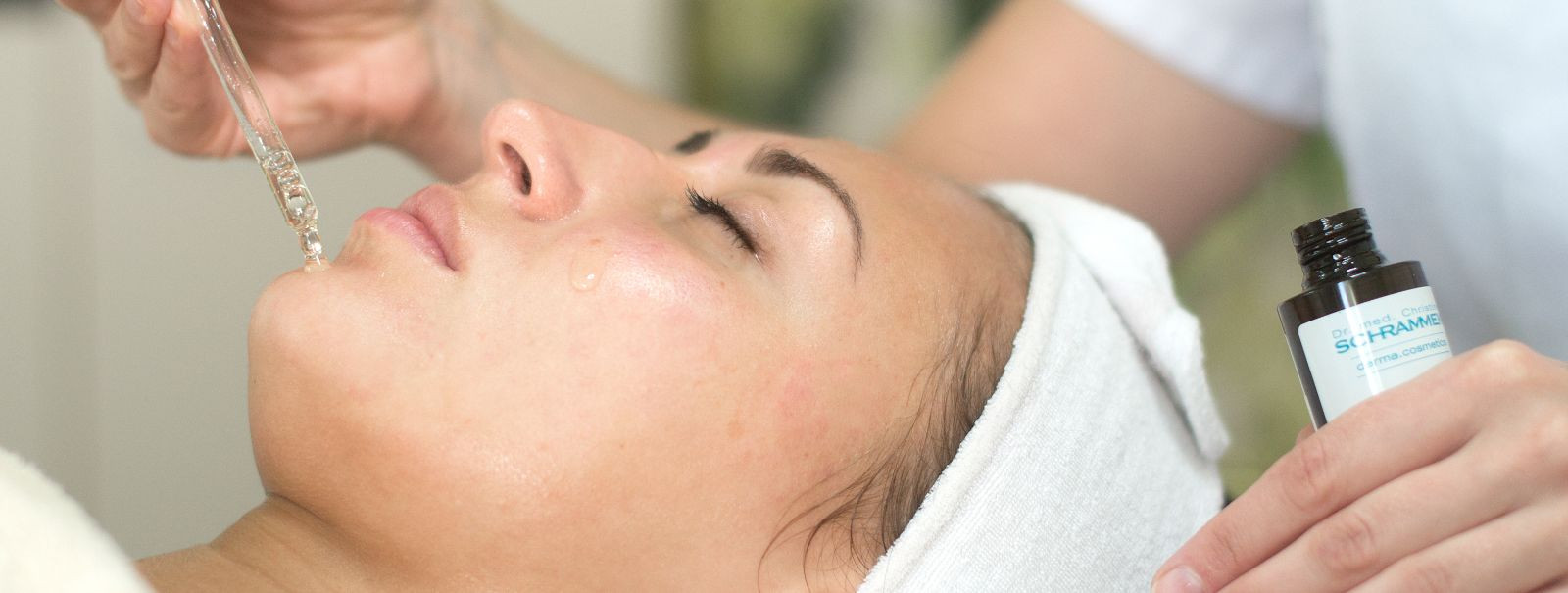
The benefits of regular facials for your skin

Facials are a popular skincare treatment designed to rejuvenate and enhance the appearance of your skin. They involve a series of steps including cleansing, exfoliation, extraction, massage, and the application of masks and serums. Regular facials can be a vital part of a comprehensive skincare routine, offering numerous benefits for maintaining healthy, youthful skin.
Understanding the Different Types of Facials
The classic facial is a staple in skincare, focusing on deep cleansing and hydration. It is suitable for all skin types and is an excellent introduction to facial treatments.
Designed to combat signs of aging, this facial uses products rich in antioxidants and collagen-boosting ingredients to reduce wrinkles and improve skin elasticity.
Targeting acne-prone skin, this facial includes deep cleansing, exfoliation, and extraction to clear clogged pores and reduce inflammation.
Ideal for dry or dehydrated skin, this facial focuses on replenishing moisture levels and restoring the skin's natural barrier.
The Science Behind Facials
Facials enhance skin health by promoting cell regeneration, improving circulation, and delivering essential nutrients directly to the skin.
Professional-grade products used during facials contain higher concentrations of active ingredients, providing more effective results than over-the-counter products.
Key Benefits of Regular Facials
Facials provide a thorough cleansing that removes dirt, oil, and impurities from the skin, preventing breakouts and promoting a clear complexion.
Regular exfoliation during facials helps remove dead skin cells, revealing a brighter, smoother skin surface.
Facial massages stimulate blood flow, enhancing the delivery of oxygen and nutrients to the skin, resulting in a healthy glow.
The relaxing nature of facials can reduce stress levels, which in turn can improve overall skin health.
Facials are tailored to address individual skin concerns, ensuring that each treatment is effective and beneficial for your specific needs.
Addressing Specific Skin Concerns
Regular facials can help reduce the appearance of fine lines and wrinkles, promoting a more youthful appearance.
Facials designed for acne-prone skin can help control breakouts and reduce acne scars.
Hydrating facials replenish moisture levels, improving skin texture and elasticity.
How Often Should You Get a Facial?
The frequency of facials depends on your skin type and concerns. Generally, a facial every 4-6 weeks is recommended to maintain optimal skin health.
Choosing the Right Facial for Your Skin Type
Consulting with a skincare professional can help you determine the best facial for your skin type and concerns, ensuring you receive the most beneficial treatment.
The Importance of Professional Guidance
Professional estheticians have the expertise to assess your skin's needs and recommend appropriate treatments, ensuring safe and effective results.


Comments (0)