



Locally-specific glass installations - poetic spatial design and layer transparency

Local-based glass installations in the symbiosis of architecture and light
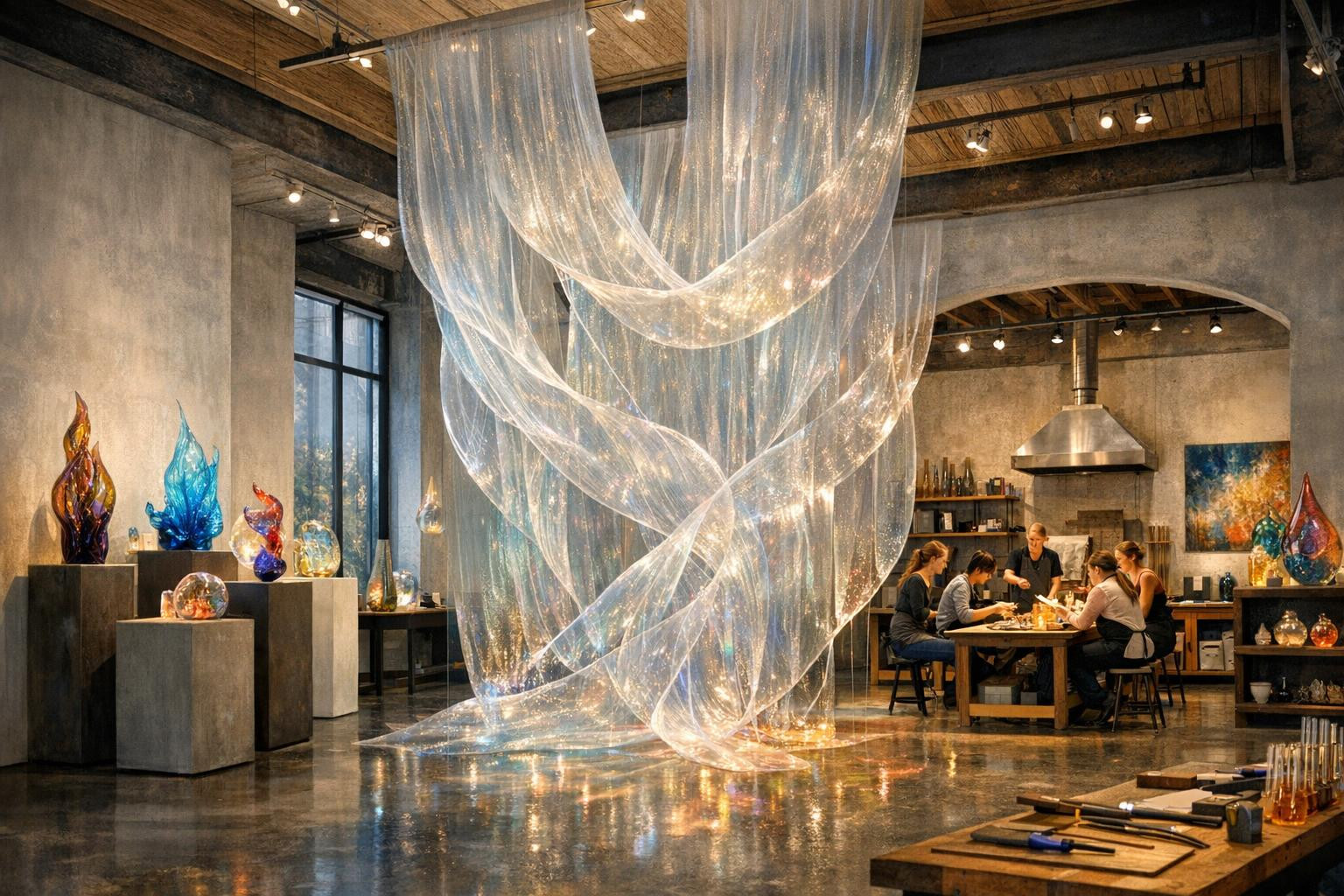
Local-based installations create an identity for the room where the large forms of glass interact with light, materials and human movement. Each work has a site-specific solution that takes into account the proportions, visibility and function of architecture in order to provide both aesthetic and practical value to public and museum spaces.
Who needs such space design?
Installations are well suited for museums, cultural centres, commercial buildings, public squares and luxury real estate projects. Architects, space designers and real estate developers looking for a lasting and expressive identity will find a solution here that combines art, technology and constructive integration.
Why glass and layer transparency?
Glass gives you the opportunity to play with light and depth: layer transparency creates a multilayer of visual space that changes by day and weather. Large-format glass gives a monumental presence without closing the room - the effect is at the same time gentle and effective. In addition, glass helps to improve space acoustics, stimulate movement and strengthen visual narrative for visitors.
Principal functions and distinctive properties
- <<Principal solutions: Each installation comes from a local study, light analysis and architectural context.
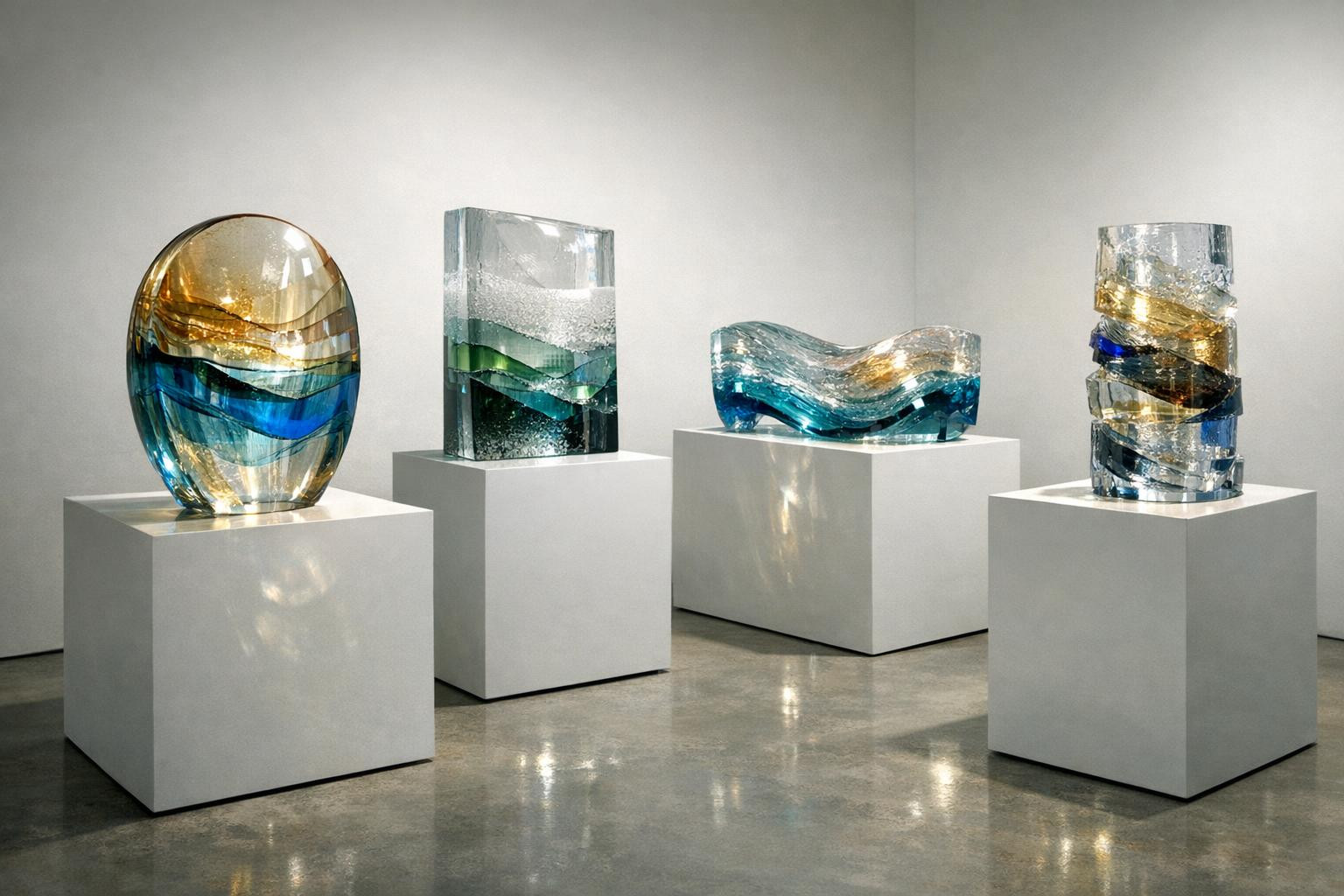
- Large-format glass: Large panels and spatial compositions that give the opening or gallery a strong identity.
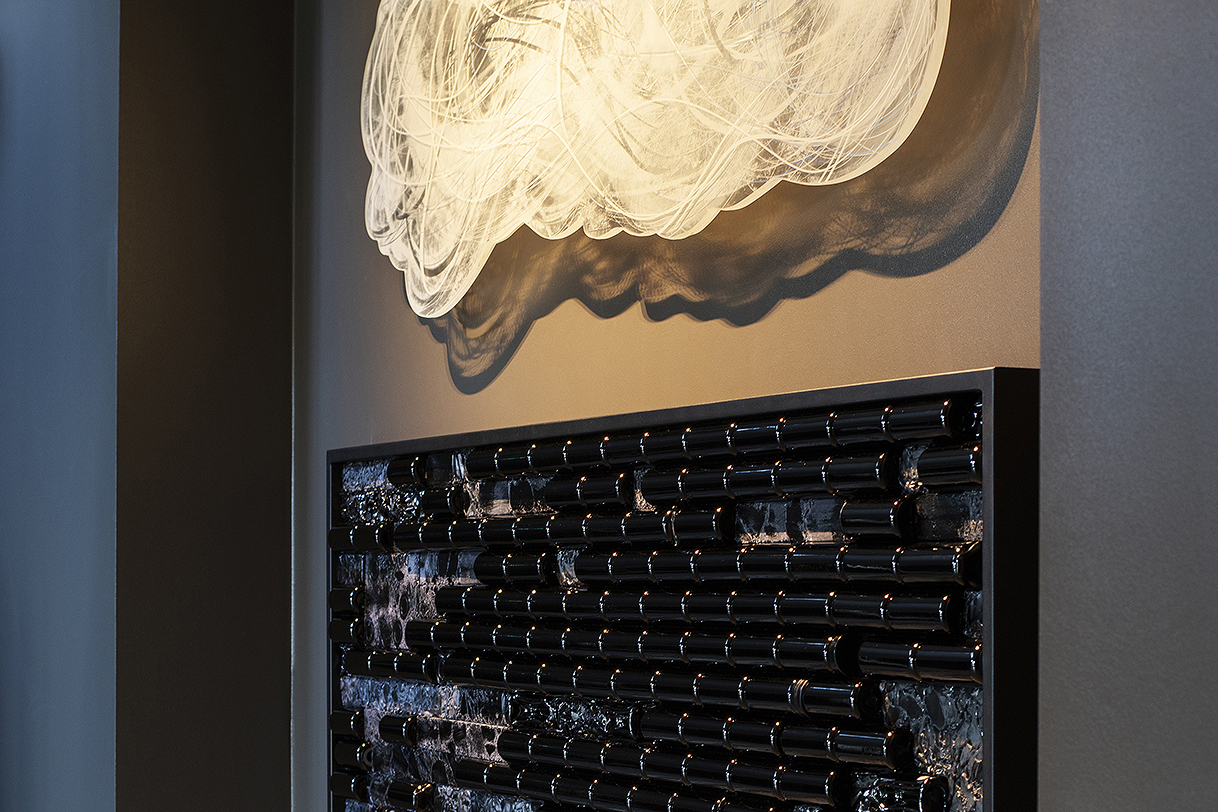
- Integrated systems, as well as artistic transparency: multi-layer glass compositions, laminations and optical shapes that create depth and motion sensation. >>>Technical durability A prototype shall then be produced which shall be tested in the light room and under the conditions of safety. The final large-format glass is produced on specialised production lines and the formal installation takes place in cooperation with the construction and restoration teams. After installation, a maintenance and documentation package will be provided to facilitate further administration.
Why choose a site-based approach?
Location-based installations are not universal decorations - they are due to a sense of context and culture. This approach ensures that spatial design supports the function of the building, strengthens the identity of the brand or institution and creates a memorable and sustainable experience for visitors.
Contact if the aim is to give a poetic and technically perfect presence to the public space or museum, where the layer of glass transparency creates a new narrative and identity.

Comments (0)