


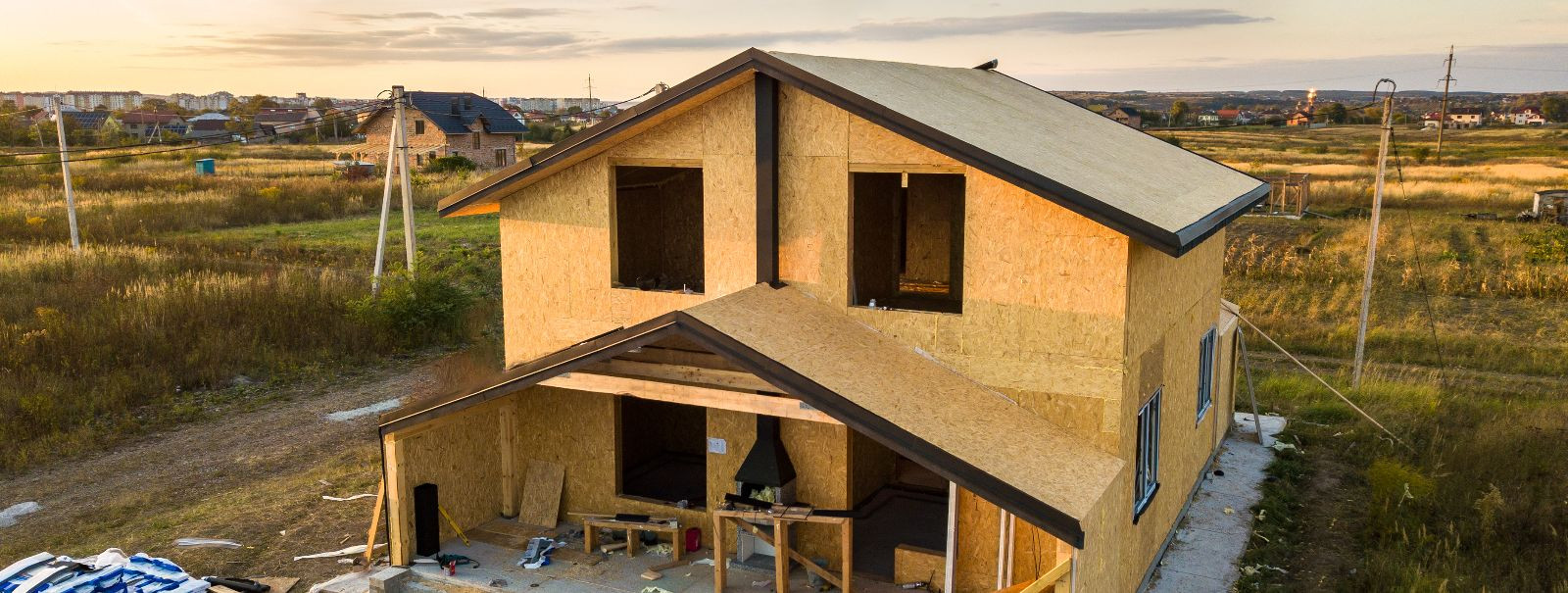
The importance of foundation engineering in modern construction

Foundation engineering is a critical discipline within civil engineering that focuses on the design and construction of foundations for buildings and other structures. It involves understanding the behavior of soil and rock beneath the structure and ensuring that the foundation can support the loads imposed by the structure above. In modern construction, foundation engineering is more important than ever due to the increasing complexity of building designs and the diverse environmental conditions encountered in urban and suburban areas.
The Role of Foundation Engineering in Modern Construction
One of the primary roles of foundation engineering is to ensure the structural integrity of buildings. A well-designed foundation distributes the weight of the structure evenly across the ground, preventing uneven settling and potential structural failures. This is crucial for both residential and commercial properties, where safety and longevity are paramount.
Foundation engineers must adapt their designs to accommodate a wide range of soil conditions. Different soil types have varying load-bearing capacities, and understanding these properties is essential for designing a foundation that will remain stable over time. This adaptability is particularly important in urban areas, where soil conditions can vary significantly from one site to another.
Modern construction projects must consider their environmental impact, and foundation engineering plays a key role in this regard. By selecting appropriate materials and construction techniques, foundation engineers can minimize the environmental footprint of a project. This includes reducing soil erosion, managing water runoff, and ensuring that the construction process does not negatively impact local ecosystems.
Key Components of Foundation Engineering
Before any construction begins, a thorough site investigation and soil analysis are conducted. This involves testing soil samples to determine their composition, strength, and other properties. The data collected during this phase informs the design of the foundation, ensuring it is tailored to the specific conditions of the site.
Once the site investigation is complete, foundation engineers move on to the design and planning phase. This involves creating detailed plans and specifications for the foundation, taking into account factors such as load-bearing requirements, soil conditions, and environmental considerations. Advanced software tools are often used to model different scenarios and optimize the design.
The construction phase involves selecting the appropriate techniques and materials to build the foundation. This can include traditional methods such as concrete pouring and piling, as well as more innovative approaches like prefabricated foundation systems. The choice of materials and techniques is influenced by factors such as cost, environmental impact, and the specific requirements of the project.
Challenges in Foundation Engineering
As urban areas continue to grow, foundation engineers face the challenge of designing foundations in increasingly constrained spaces. This requires innovative solutions to maximize the use of available land while ensuring the safety and stability of the structures built upon it.
Climate change poses significant challenges for foundation engineering, as rising sea levels, increased rainfall, and extreme weather events can all impact the stability of foundations. Engineers must consider these factors in their designs to ensure that structures remain safe and resilient in the face of changing environmental conditions.
Foundation engineering is subject to a wide range of regulations and safety standards, which vary by region and project type. Ensuring compliance with these regulations is essential to avoid legal issues and ensure the safety of the construction project. This requires a thorough understanding of local building codes and industry best practices.
The Future of Foundation Engineering
The field of foundation engineering is constantly evolving, with new technologies and techniques emerging to address the challenges of modern construction. Innovations such as 3D printing, advanced materials, and automated construction processes are transforming the way foundations are designed and built, offering new possibilities for efficiency and sustainability.
Sustainability is becoming an increasingly important consideration in foundation engineering. This includes using eco-friendly materials, minimizing waste, and designing foundations that can adapt to future changes in environmental conditions. By prioritizing sustainability, foundation engineers can contribute to the creation of more resilient and environmentally responsible structures.
The integration of smart technologies into construction processes is another trend shaping the future of foundation engineering. This includes the use of sensors and data analytics to monitor the performance of foundations in real-time, allowing for proactive maintenance and optimization. By leveraging these technologies, foundation engineers can enhance the safety, efficiency, and longevity of their projects.



Comments (0)