

Forest management that ensures an increase in the value of the forest from planting to open harvesting

Forest Management is a comprehensive solution for forest owners who want to keep their forest land in a stable direction and increase its long-term value. Considered forest management combines all important stages from planting and young forest maintenance to logging planning and lageraien to ensure that the forest is well managed and economically efficient throughout the growing cycle.
Mainly organised forest activities do not only involve separate works, but also a coherent management of the whole process. If each step is timed correctly and given the specific nature of the forest land, the quality, growth rate and future value of the trees will improve. This is why professional forest management is important both to the smaller landowner and to the manager of the larger forest property.
What does forest management contain?
The purpose of the service is to keep the development of the entire forest under control and to ensure that the necessary work is carried out in the right order and on time. Typical forest management may include the following steps:
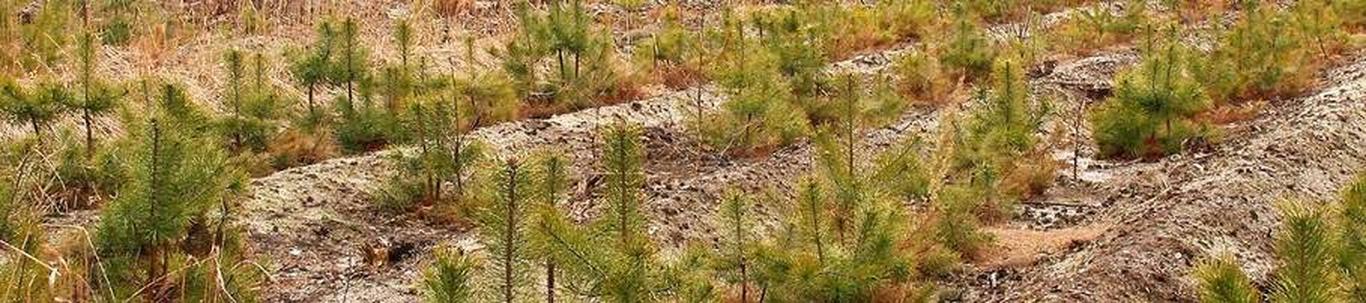
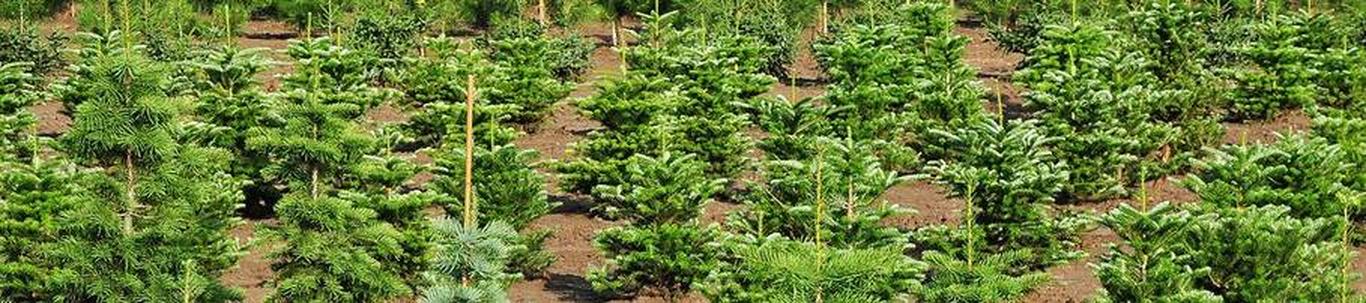
- >li>Settling and the establishment of a new forest generation
- Improving maintenance
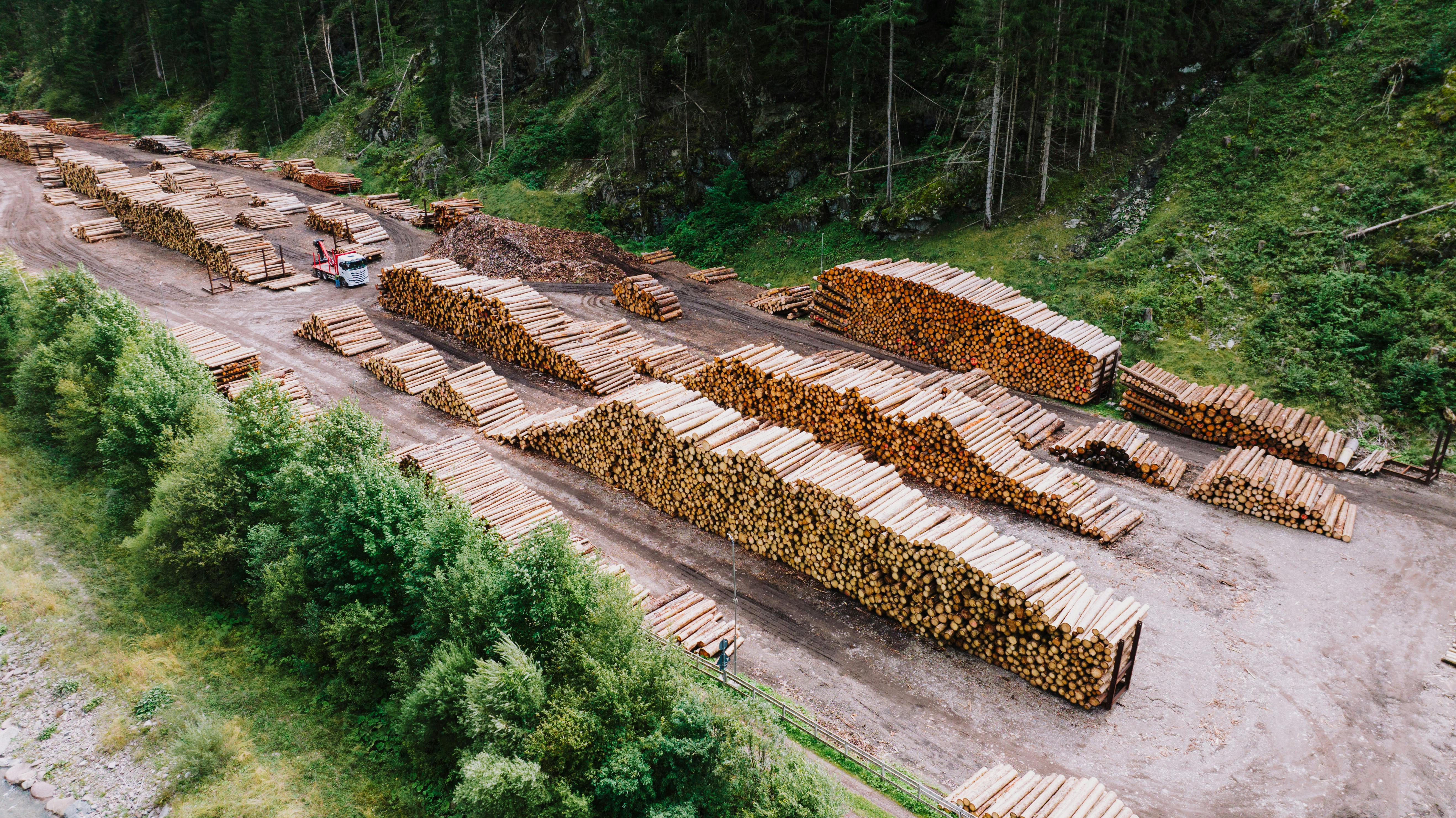
- Li>Li>Li>Li>li>Preparation and coordination of harvesting
- Li>Li>Li>Metland condition monitoring and planning /li>
Who benefits most from forest management?
Forest management is suitable for a forest owner who wants to reduce time, increase confidence and ensure that all necessary forest work is professionally organised. This is particularly valuable when forest land is located in different regions, the owner himself does not have time to follow the whole process or is wanted to make decisions on the basis of long-term value, not just current benefits.
The service benefits both forest land owners and active investors who consider transparent planning and sustainable management of forest land to be important.
Why choose a comprehensive approach?
Healthy forest management gives a clear advantage over ordering separate works. When planting, maintenance and lawning are under the same management, it is easier to ensure that decisions support each other and that the forest land receives exactly the kind of maintenance required by its development phase.
<The main advantages are:
- Time proper operation - the necessary work is carried out when it is most beneficial.
- Better quality of forest - well-considered maintenance supports a stronger and more valuable planting.
- <Main organisational clarity - the whole process is systematic and easily traceable.
- Effective management - forest land potential is better used throughout the growth cycle.< If the development of forest land is managed consistently, it will be easier to achieve the desired result both in establishing a young forest and in renewing a mature tree. This means less risk, better control and greater certainty that the value of forest land will increase in time.
Forest management is therefore an investment in the future of forest land. This gives owners the opportunity to keep the entire cycle of forest life well under a coherent plan and to ensure that each stage, from planting to lageraien , supports the long-term success of the forest.

Comments (0)