


Neurorehabilitation - walking and movement training, balancing and coordination training and functional rehabilitation

What does neurorehabilitation give?
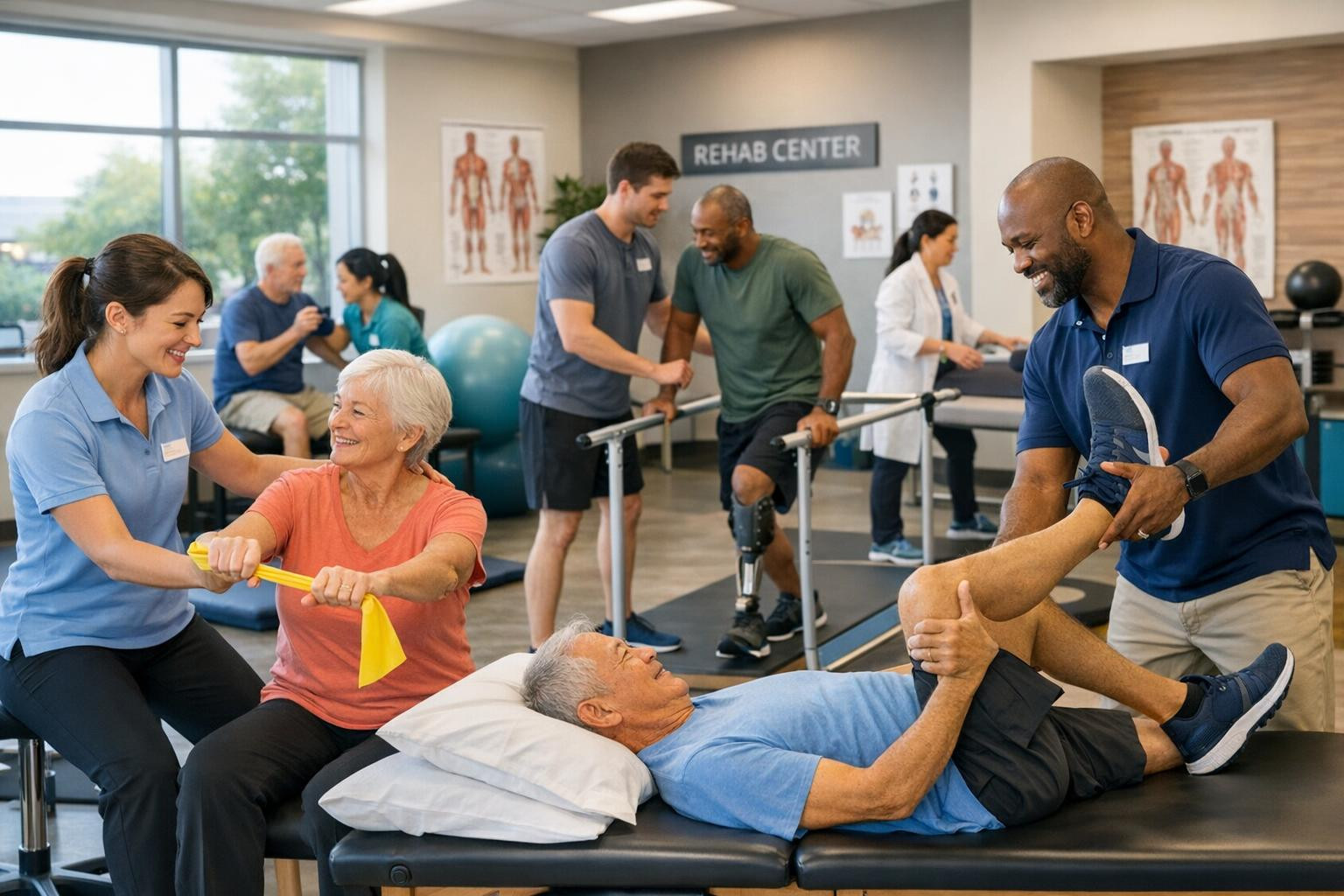
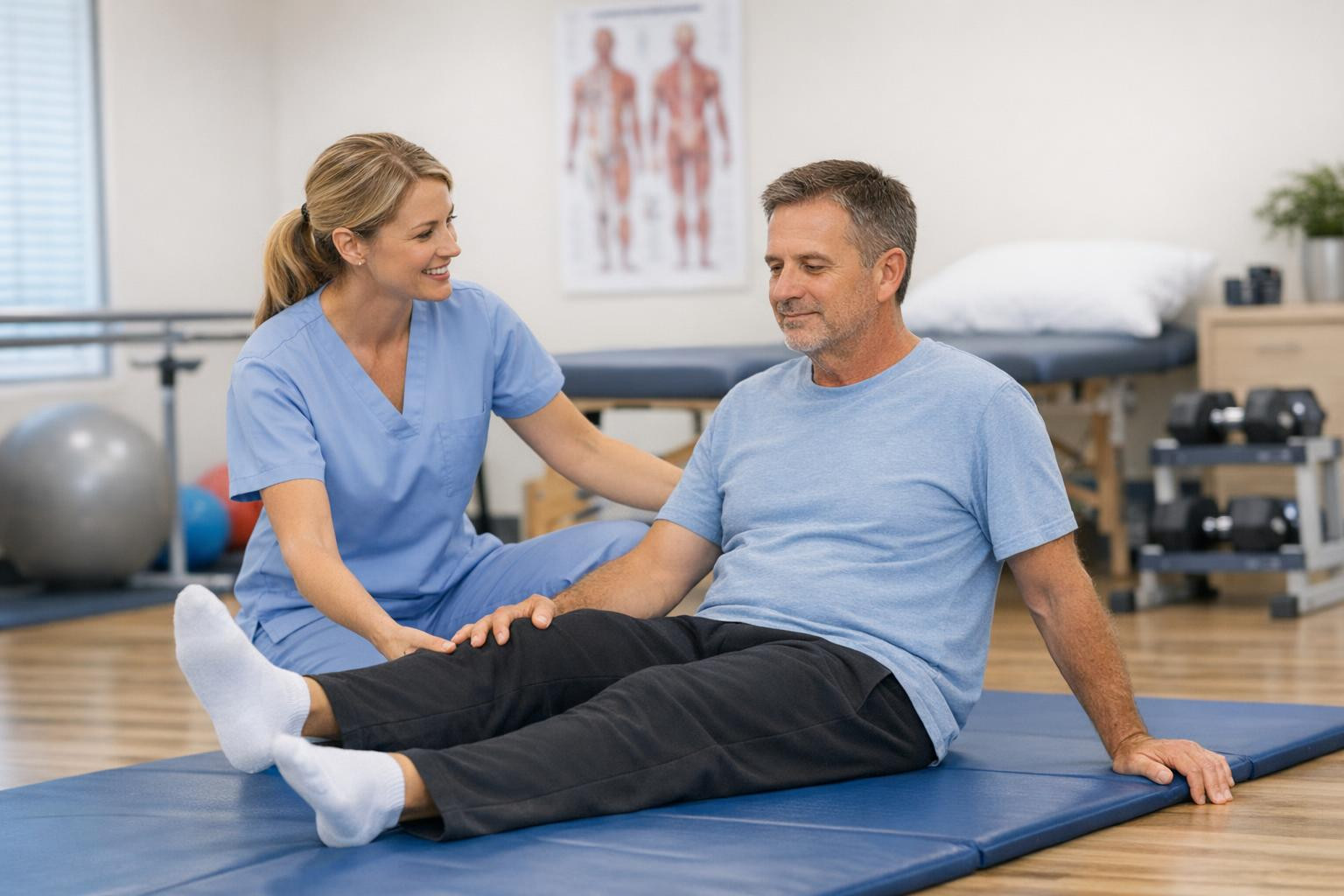
Neurorehabilitation restore freedom of movement and daily functionality to nerve damage, focusing on walking and movement training, balancing and coordination training and general functional rehabilitation. The individually adapted approach helps to reduce dependency on others, improve self-confidence and encourage faster and more sustainable recovery.
Who is appropriate?
Suitable for people who are recovering from stroke, post-traumatic neurosurgery injuries, spinal damage, Parkinson’s disease or other neurological conditions, as well as those who recognize problems with balance or walking with ageing. The program is designed for both acute and chronic patients and families who wish to support self-sufficiency.
How does it work?
The program is based on evidence-based methods and combines:
Emain advantage
l>l>l >l >l >l >l> Exercises are measurable and progressive to see real improvement at each stage.What are the main distinctive characteristics?
- True-based programme: used modern methodologies and technologies for guitar analysis and balance assessment.
- rl>strong>Personal rehabilitation plan: targeted exercises that take into account lifestyle and daily needs.
- Central support: home programmes and follow-up care guide reduce the risk of regression.
How to start?
The first step is an assessment that explains the movement limitations and sets clear recovery targets. Thereafter, an individual plan shall be drawn up covering walking and movement training, balancing and coordination training and functional rehabilitation. Regular ex post evaluation measures progress and adjusts the programme as necessary.
Neurorehabilitation is an investment in independence and quality of life. Substantial and structured training can achieve lasting results - you can start immediately to restore confidence and daily freedom of movement.
Comments (0)