



Advanced data collection systems for industrial monitoring - Modular hardware and reliable signal recording

Data collection need not be complicated: modular hardware combines versatile sensor interfaces and high precision signal recording to support development, quality control and continuous monitoring in each industrial environment. Flexible form factors and simple integration speed up the implementation of the project and reduce risks.
What is this?
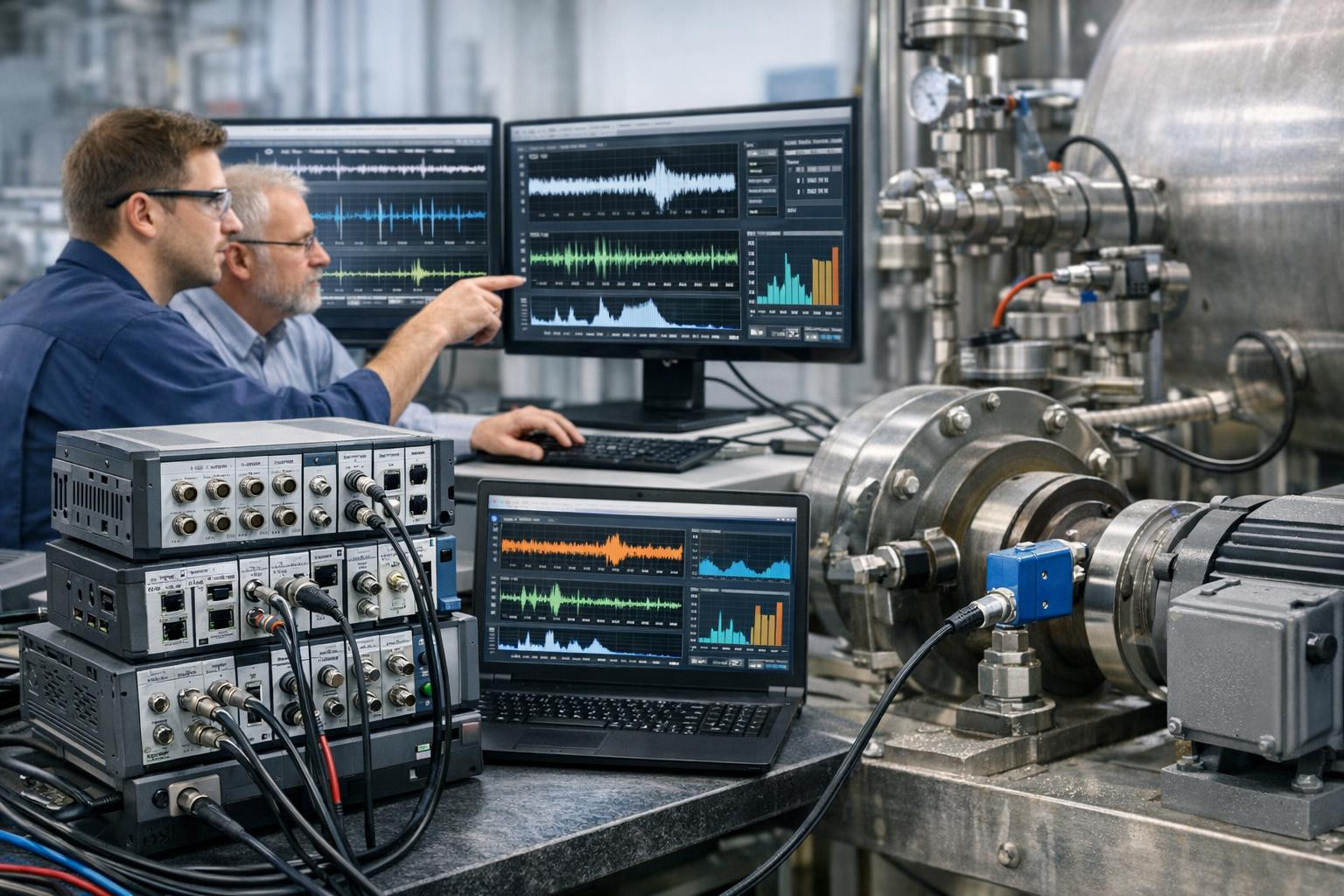
Technically adjustable data collection system that records and synchronises the analogue and digital portions by providing multiple sensor interfaces (e.g. thermopars, RTD, power sensors, voltage/current conditions, CAN, Ethernet and wireless modules). The heart of the system is a modular hardware that allows you to combine modules according to the measurement needs - from laboratory testing to industrial continuous monitoring.
Who is it for?
Ideal choice for manufacturing, energy and transport companies, R&D laboratories, quality engineers and system integration teams. Suitable for projects with significant reliable data quality, fast installation and ability to scalp with modules without major changes.
Main characteristics
- Modular hardware - interchangeable modules for different measurement tasks.
- Mixed sensor interfaces - analog-DAD, high voltage, thermocouple, RTD, strain and digital interfaces (SPI/I2C/RS-485/CAN).
- << - low noise, high resolution and determinstallation time-implementation synchronized channels. > >>>>>><Smulti> Modular hardware allows the initial project to be low-cost and will make it easier to refine in the future - the investment will work even if the measurement requirements change. Understandably, synchronized data speeds up error search and supports automated analysis and precision maintenance.
- Flexibility of the real world: sensor interfaces to be added as modules adapt to specific measurement tasks without full replacement.
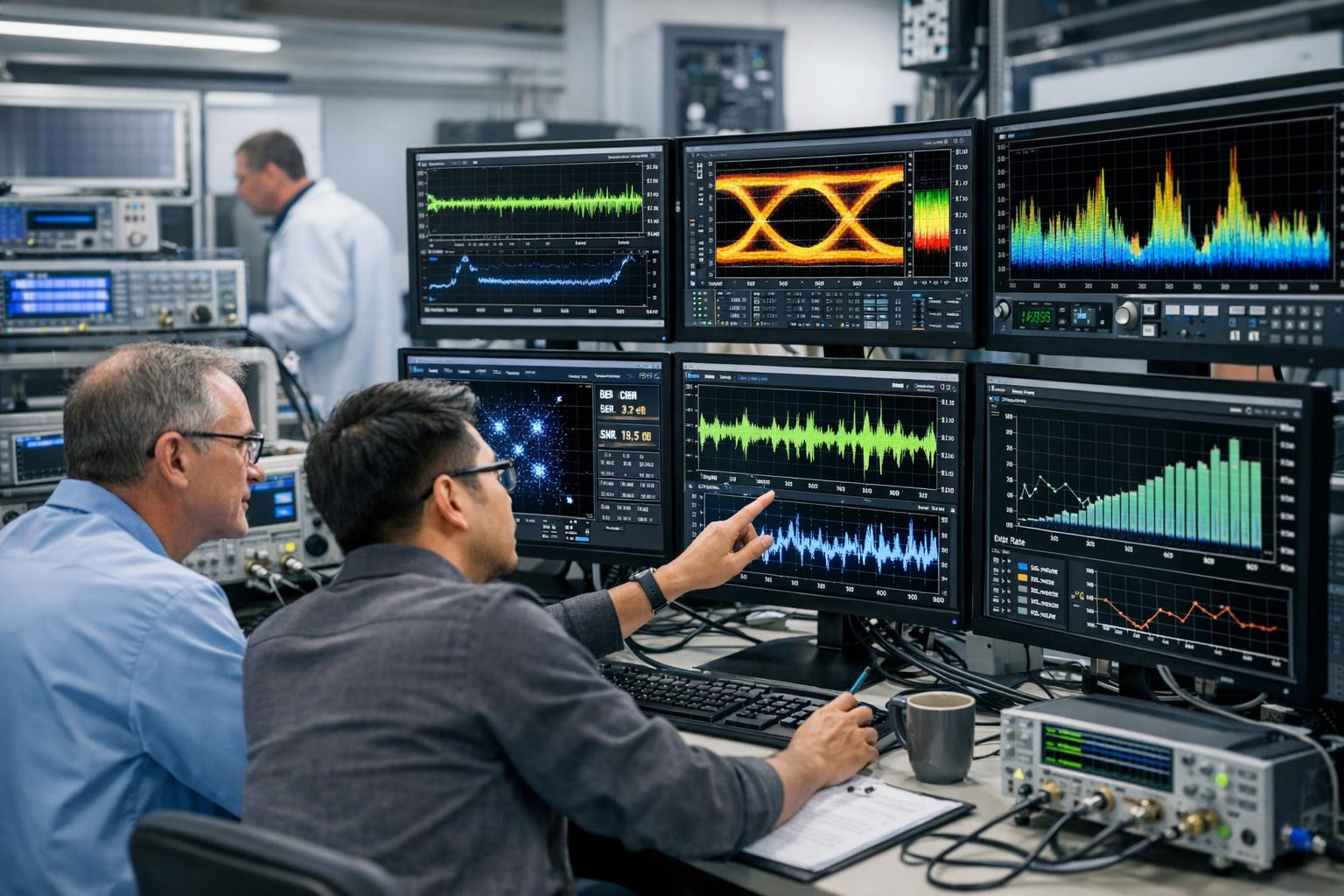
- Low-noise data and accurate time tagging allow reliable signal analysis and correlation between several sensors.
- Labor testing and prototyping in view of the industrial environment: robust corps, certified interfaces and industrial EMI protection.
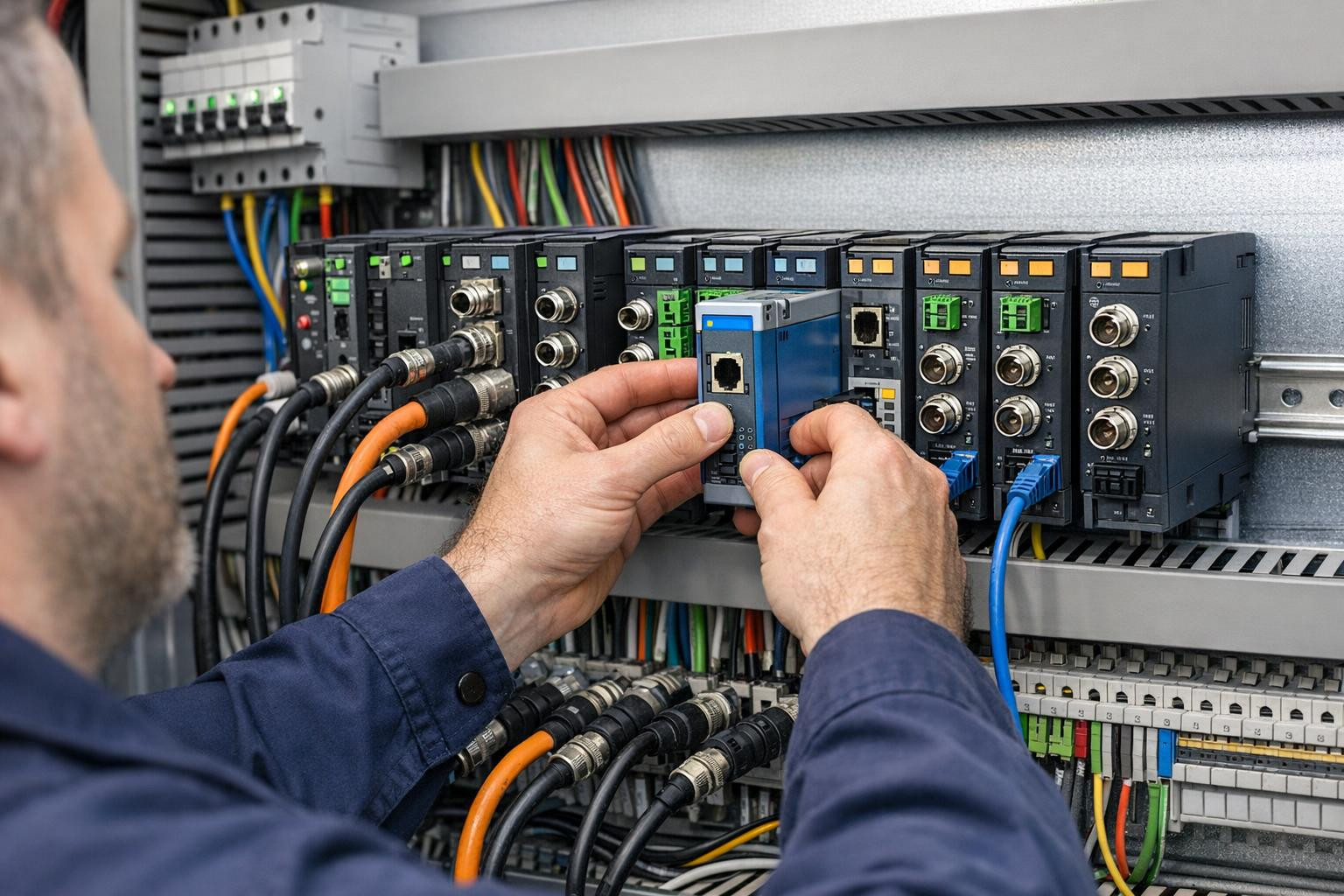
- Li>Simple integration into the existing infrastructure thanks to open API and standard protocols.
Differences and advantages
Outurn
cases- l> Installation, setup and system integration will be carried out in cooperation and training and long-term support will be provided - so data collection will become a fast and reliable part of each project.
Data collection is a strategic advantage: correct measurements, timely signal recording and modular, industrial hardware will provide a clear path to better decisions and greater operational efficiency.
Comments (0)