


Training hours: practical STEM training and participatory internships in line with the curriculum

Study hours for practical learning and STEM-interest
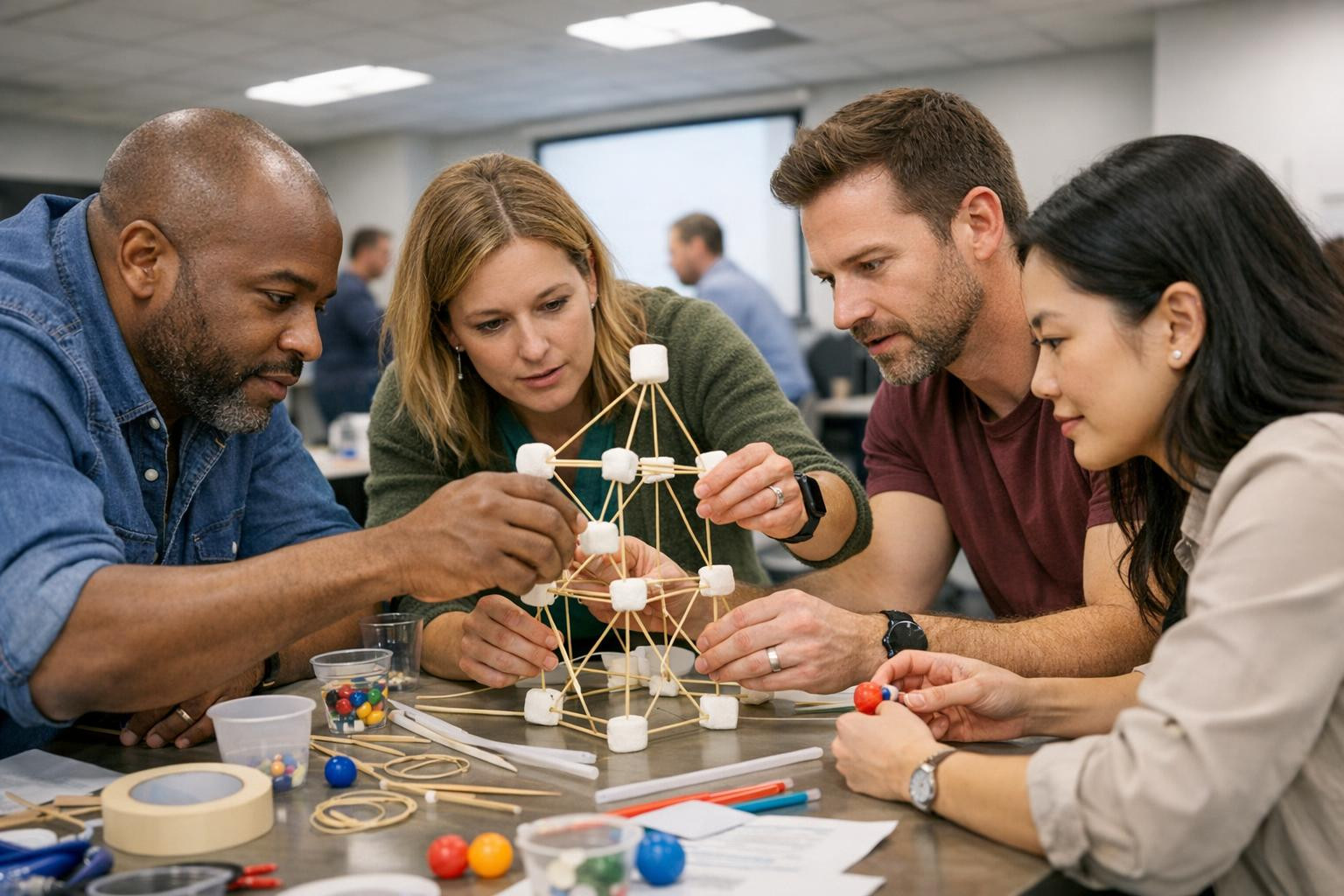
Study hours offer hands-on tests and supervised tasks that support the objectives of the curriculum and increase the scientific thinking of students. Focusing on solving the problems of real life, creativity and testing, classes are suitable for both primary and primary schools and upper secondary school levels.
Who is suitable for
Special offer is targeted at:
- teachers seeking material and practical study programmes in accordance with the curriculum;
- li>li>li>live>live>live classes and smaller study groups who prefer active and study learning; live>live>live>live>live live>live/live>live>live/live>live>live>live/live/live>live>live/live/live/live/live/live/live/live The main advantages are:>l>l>li>increased student motivation and interest in STEM learning;l>li>lif better learning results through activity-based learning and problem-solving;l>knowledge development: experimental work, data interpretation and cooperation;l>li>lifi>teacher time saving due to ready hourly schedules and evaluation materials.l>l>h3>How the work is done l>l>l>l>lifi>When the work is done lifi>lifi>lifi>Selects the subject of the curriculum and appropriate practice.lifi>lifi>Next follows preparation: materials, safety instructions and hourly structure.l By combining practical traineeships and objectives corresponding to the curriculum, the learning process shapes a lasting interest in science and technology.
Quick review
School hours make learning lively, facilitate teacher work and support students in the application of knowledge. Practical activities and supervised tasks create a secure environment in which scientific thinking and creativity can grow.
Preparing to bring more action, detection and measurable learning results to the classroom.



Comments (0)