



Automatic quality control: real-time error detection and reliable final control

Automatic quality control - accurate, fast and scalable quality assurance
Automated systems detect defects in real time and reduce the risk of erroneous deliveries by combining visual inspection and functional end-tests into a single workflow. Solutions provide reliable fault detection on the production line, allowing for a consistent quality and faster production flow.
For whom
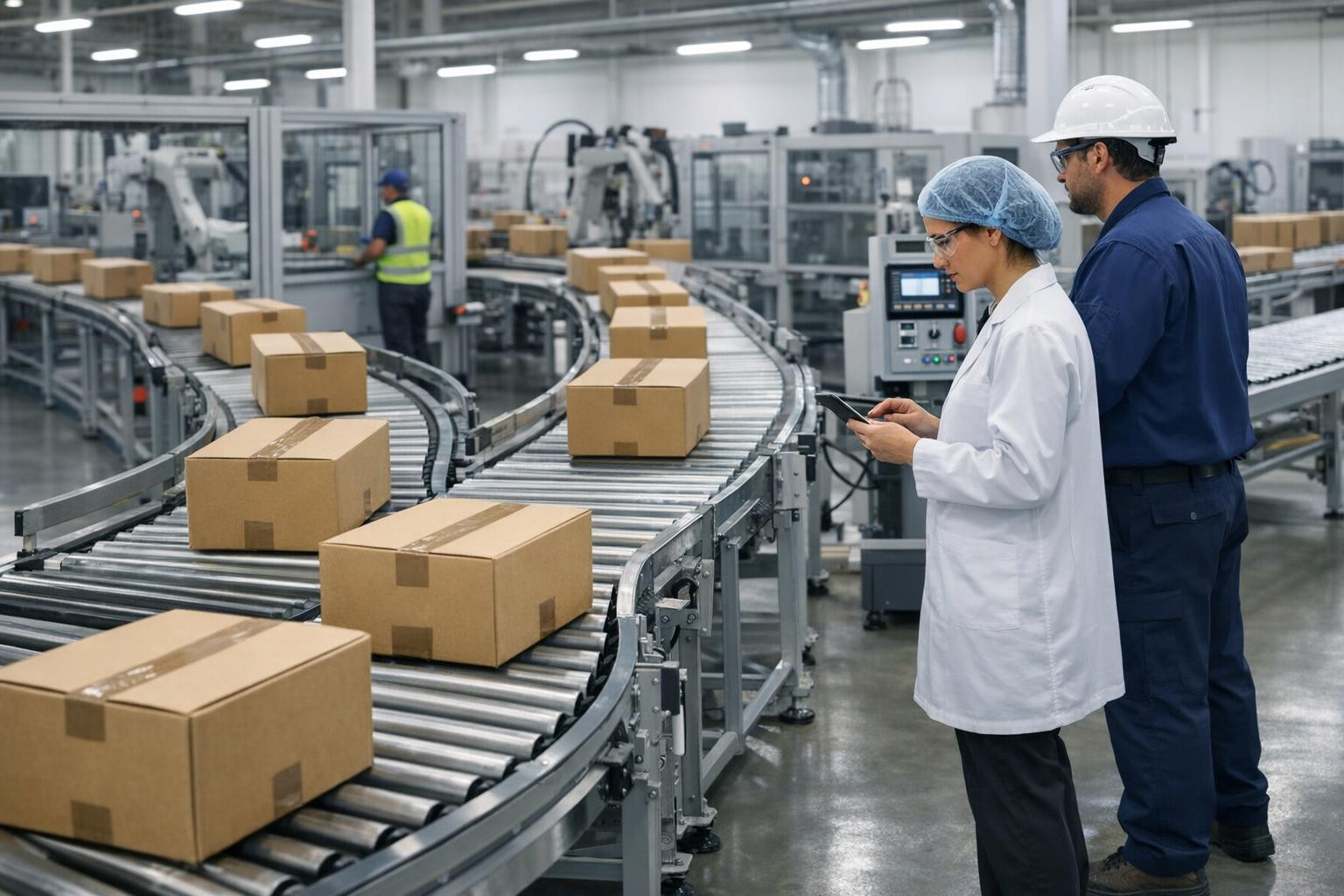
solutions are suitable for production plants of all sizes: electronics and automotive industry, medical device manufacturers, packaging manufacturers, quality managers and test system operators. Anyone who needs a repeated, documented final check and quick error detection can find an application with a fast ROI.
Why is this important
Quality control is not just about finding defects - it is about reducing risks, increasing supply-reliability and protecting the brand's reputation. In real time failure detection reduces massive cancellations, improves productivity and ensures that the end-user gets an error-free product.
Main features
- Visual inspection : high-resolution cameras and image processing detect surface errors, installation errors and aesthetic deviations. li>Functional end-control : automatic tests control the performance of the product, connectivity and safety standards.
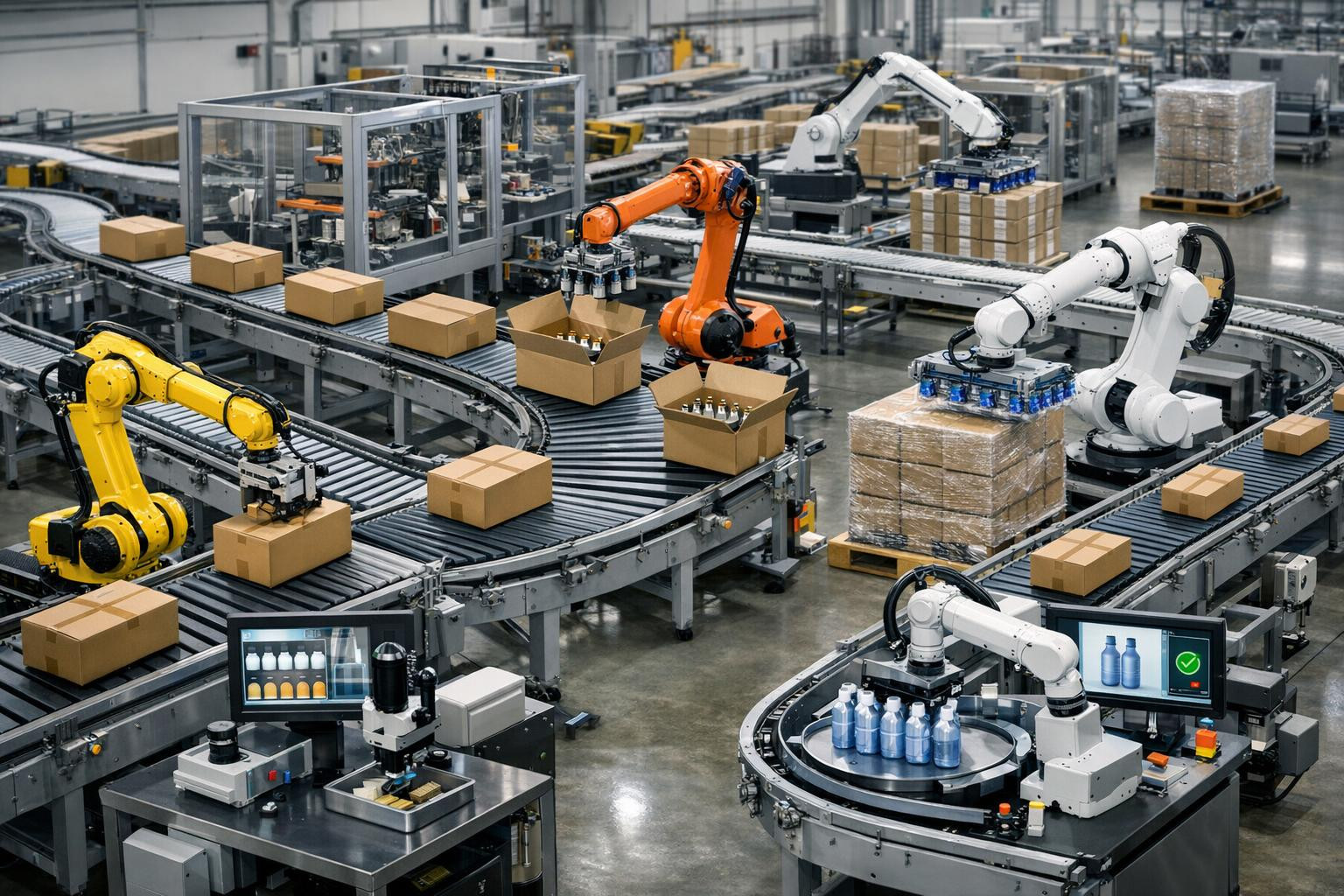
- Real time data analysis : production telemetry and error logs allow rapid response and continuous process improvement l >l >l >l>>><<<<< The test systems are designed in such a way that they support both visual and functional final checks in a uniform way, giving a full overview of the product quality.
How the introduction works
The control phase includes the mapping of processes and the definition of key factors, then the cameras, sensors and test equipment are integrated into the production line. During the pilot project, error detection models shall be optimised with local tolerances and defect profiles. As a result, automatic quality control works as a reliable part of the production cycle, supporting continuous improvement and data-based decision-making.
Results and examples
Customers typically see significant reductions in defect rates, improvement in delivery times and lower refund figures. The data-based approach also allows for long-term quality improvement and process stabilization that saves both money and reputation.
Final summary: automated quality control combines error detection, final control and scalable test systems to ensure reliable production and reduce the risk of supply with errors - an effective choice for those who want to improve quality and optimise production costs.
Comments (0)