


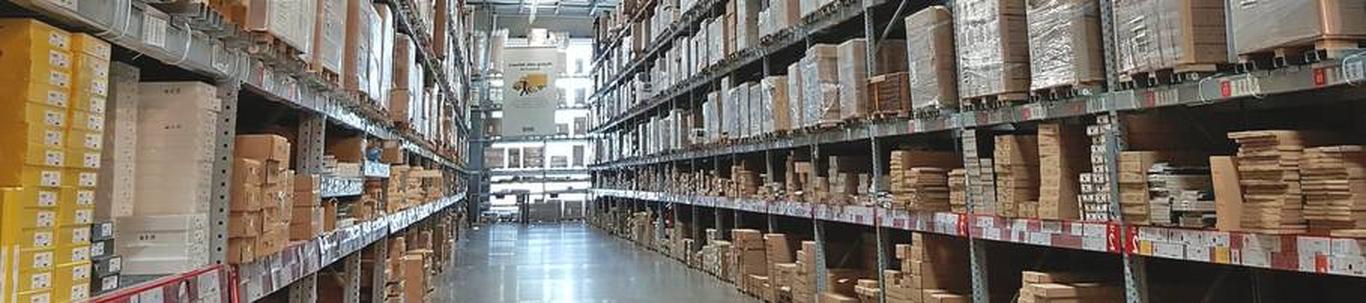
Efficient storage and trade of cereals - terminal and rail transport to increase market efficiency

Effective storage of and trade in cereals with precise logistics
In a complex world related to trade and logistics, the storage of concentrated cereals helps to reduce risks, optimise the scores and ensure the smooth movement of goods to the market. The integrated terminal service supports both volume-based and quality-based planning, allowing for a more accurate timing of grain purchases and export of goods.
Who benefits from it?
The services are targeted at farmers, agribusiness companies, buyers and logistics partners who need a reliable and large-scale solution for storing and placing cereals on the market. All parties assessing quality control, flexible storage and competitive access to rail transport can gain direct value.
Principal functions and characteristics
- Large storage area: constitute an opportunity for long-term and seasonal storage of cereals and optimisation of equipment. li>Quality control: regular sampling, moisture monitoring and analysis ensure that goods maintain market value.
- strong>Terminal service: fast reception, sorting and mapped storage in real time, which facilitates grain purchase and stock-based planning.
- Raudet transport and train routes: connections with larger transport routes reduce shipping costs and speeds from regions. Better stock-based planning allows optimisation of crop purchase and sales according to market conditions, increasing margins and liquidity.
Specific advantages
- Cost efficiency: Combined terminal and rail solutions reduce transport costs and time for handling goods.
- Market advantage: better stock and quality control allows higher sales prices and confidence among the buyer.
- Flexibility: Scalable storage facilities are suitable for both seasonal and year-round sales.
- Compatibility and traceability: documented processes facilitate reporting and cooperation with regulators. /li>/>/l>/>/h Train lines allow for more scheduled exports and reduce dependence on short-term road transport resources, making the supply chain more resilient and predictable.
How to start
Step-by-step cooperation involves the artificial assessment of goods and the establishment of procedures, stock planning and the alignment of transport and terminal services in line with the business strategy. A well-defined logistical plan and quality standards provide certainty for both the buyer and the seller.
Promote activities to a higher level through efficient storage, reliable terminal service and direct contact with rail transport. Contact us to discuss options and start optimization today.


Comments (0)