


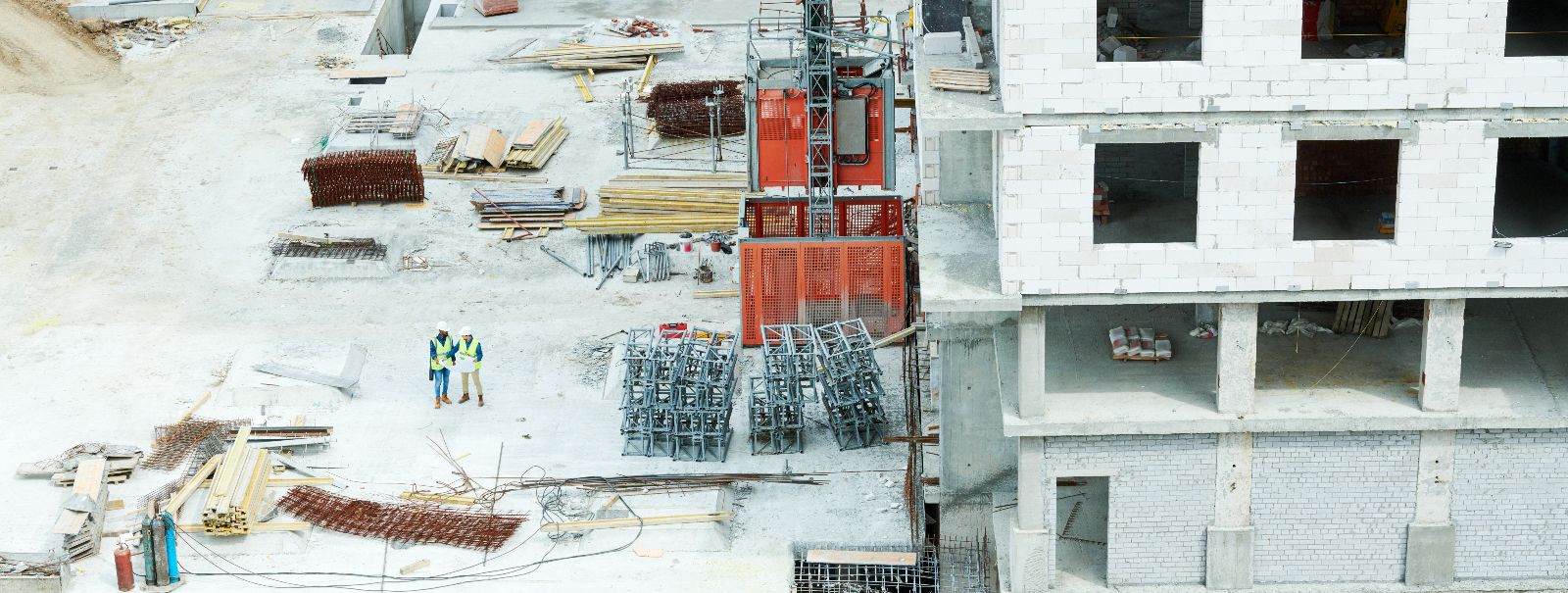
Building smarter: the rise of auxiliary constructions

Auxiliary constructions refer to supplementary buildings or structures that support the primary construction projects. They are pivotal in enhancing the efficiency, safety, and functionality of the main construction effort. These structures can range from temporary setups like scaffolding and site offices to permanent fixtures such as storage facilities and modular units.
The construction industry has witnessed a significant shift towards smarter building practices. The rise of auxiliary constructions is a testament to this evolution, as they embody the principles of innovation, efficiency, and sustainability that are increasingly demanded by the market.
The Benefits of Auxiliary Constructions
Auxiliary constructions can significantly reduce the overall cost of building projects. By utilizing pre-fabricated elements and modular designs, construction companies can minimize waste and optimize resource allocation.
The use of auxiliary constructions can lead to faster completion times. Structures that are built off-site and then assembled on location can streamline the construction process, allowing for multiple phases of a project to be completed simultaneously.
These constructions offer unparalleled flexibility. They can be easily modified, relocated, or repurposed to meet the changing needs of a project or to adapt to unforeseen circumstances.
With a growing emphasis on green building practices, auxiliary constructions offer solutions that are more sustainable and have a reduced environmental impact. The controlled environment of off-site construction leads to better material management and less waste.
Types of Auxiliary Constructions
Modular buildings are pre-engineered structures that are manufactured in a factory setting and transported to the construction site for assembly. They are known for their speed of construction and cost-effectiveness.
Pre-fabrication involves the manufacture of building components at a location other than the construction site. These components are then transported to the site for installation, which can greatly improve the efficiency of the construction process.
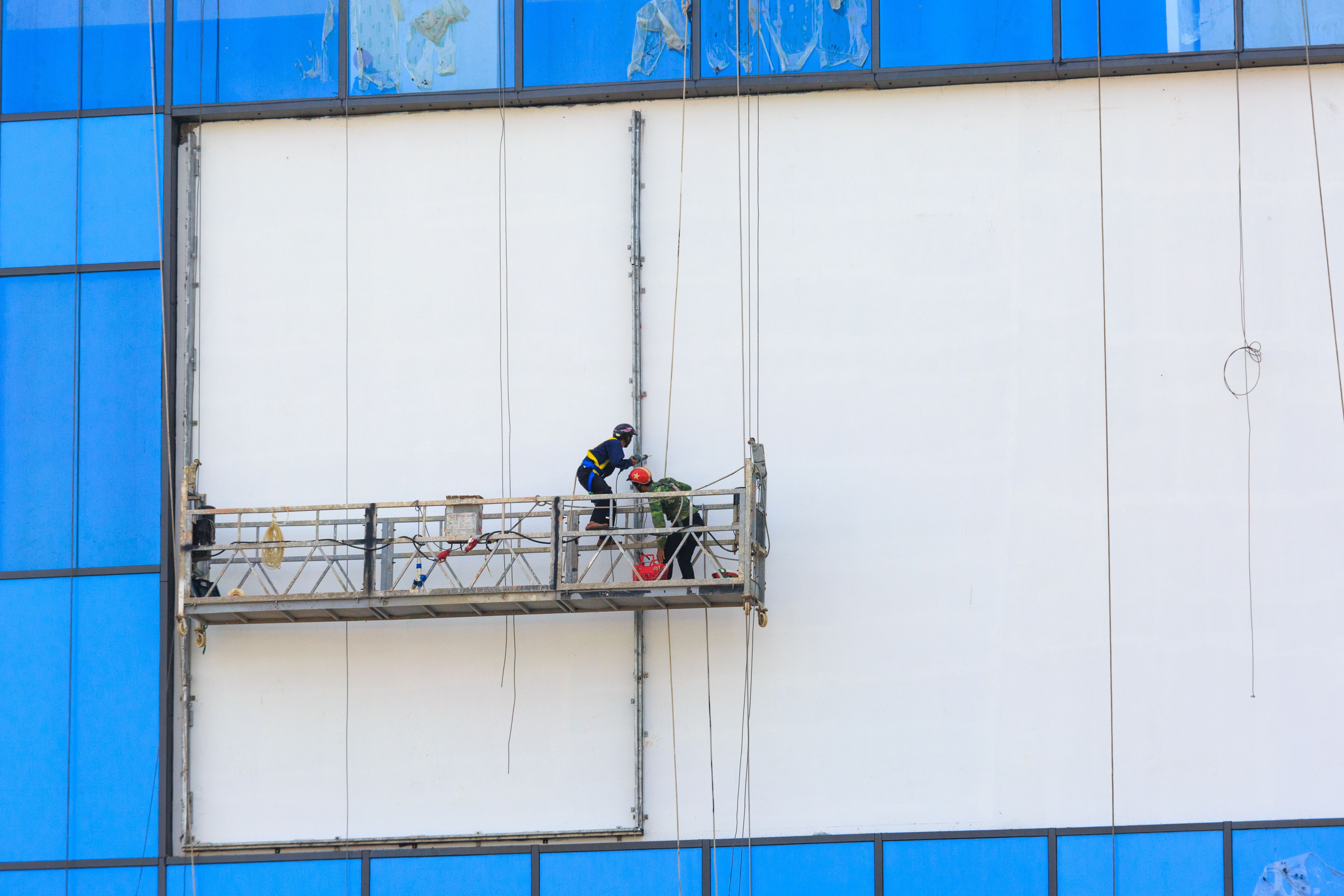
Temporary structures such as scaffolding, formwork, and site offices are essential for the support of construction activities. They provide safety and functionality for workers and can be easily dismantled and reused.
Supportive infrastructure includes elements like access roads, utilities, and drainage systems that are crucial for the successful completion of construction projects.
Technological Advancements in Auxiliary Constructions
BIM technology has revolutionized the planning and management of construction projects, including auxiliary constructions. It allows for precise modeling, analysis, and documentation throughout the construction lifecycle.
3D printing is emerging as a powerful tool in the construction industry, enabling the creation of complex components and even entire structures with reduced material waste and increased architectural freedom.
Smart materials are engineered to respond to environmental changes or to perform specific functions, enhancing the performance and sustainability of auxiliary constructions.
The integration of automation and robotics in construction processes leads to higher precision, safety, and efficiency, particularly in the production and assembly of auxiliary constructions.
Challenges and Considerations
Ensuring that auxiliary constructions meet all relevant building codes and regulations is essential for their successful implementation.
Maintaining high standards of quality is crucial, especially when components are manufactured off-site. Rigorous quality control measures must be in place to ensure the integrity of the structures.
The seamless integration of auxiliary constructions with the main project requires careful planning and coordination to avoid any potential issues.
As new technologies and methods are adopted, the need for skilled labor and ongoing training becomes more critical to ensure the workforce can effectively implement auxiliary construction techniques.

Comments (0)