



Integration of systems: Electrical, Automatic and HVAC solutions for energy saving and reliability

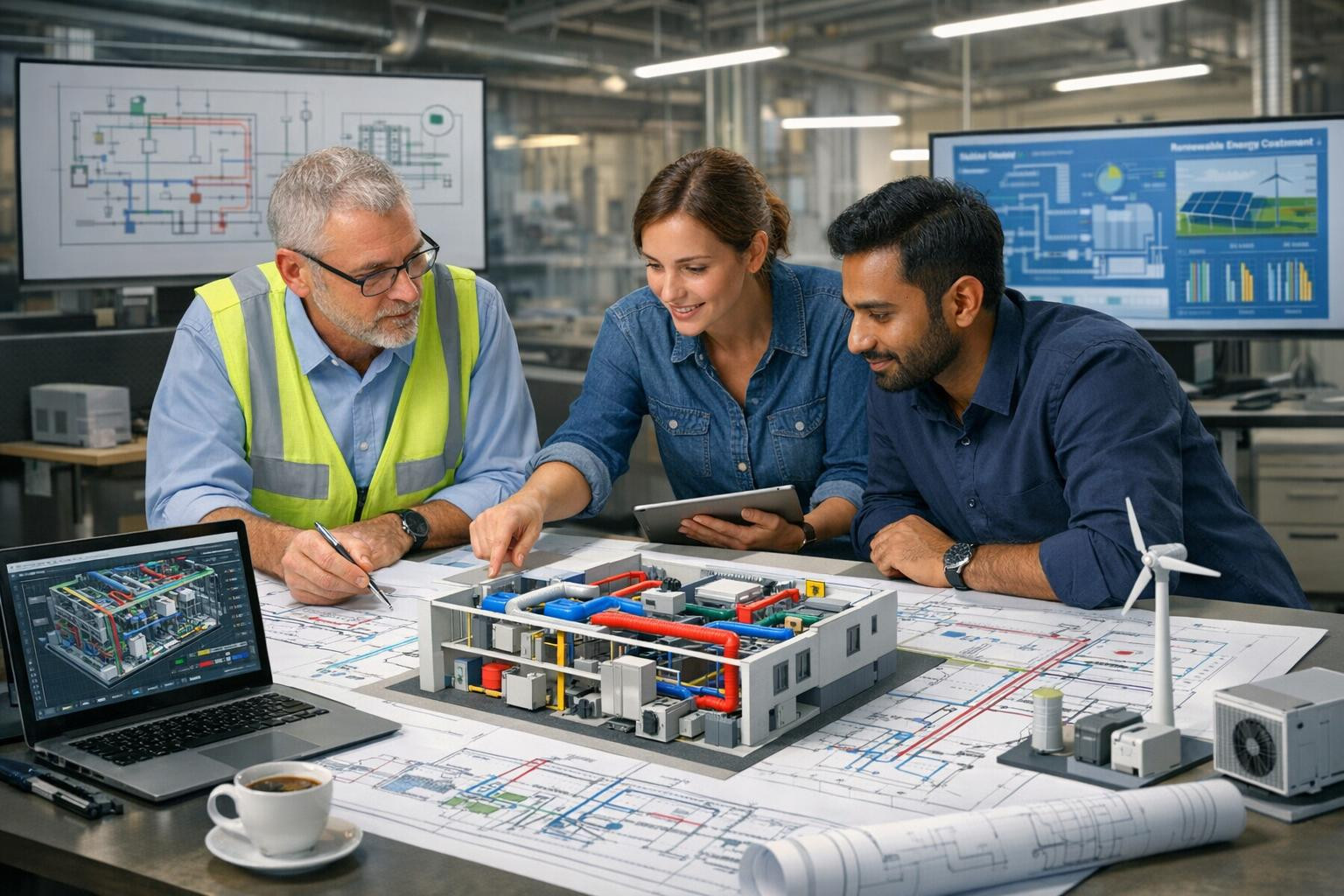
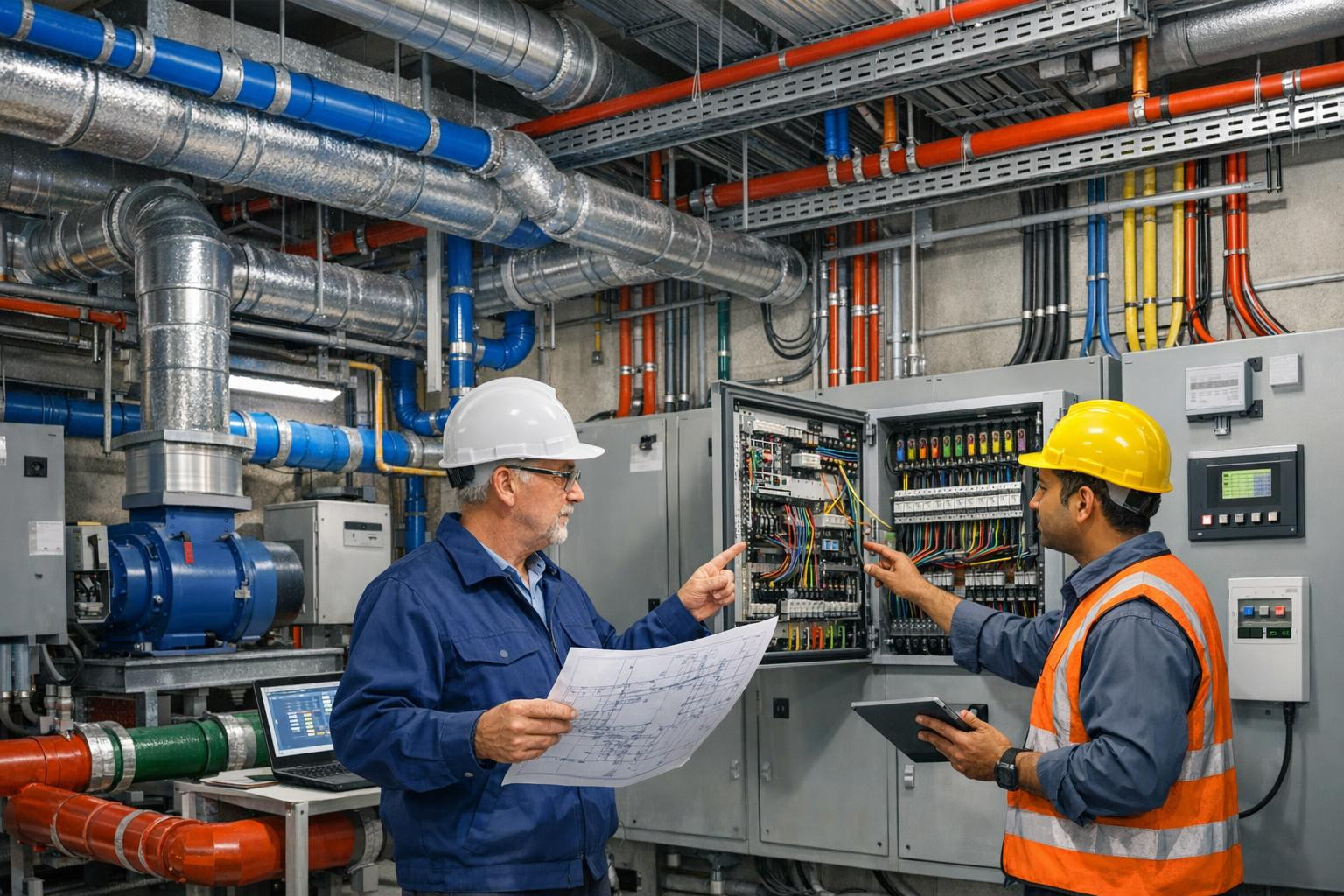
The integration of systems creates a single, efficient and maintained technical system where electrical and control solutions work smoothly with heating, ventilation and air defence units. By combining electrical and automation design knowledge, heating-ventilation-air-anti-air (HVAC) design skills, and technical analyses and simulations results, optimise performance, reduce energy costs and increase the reliability of the whole system.
What is the integration suitable?
Solutions are designed for building owners, real estate developers, industrial enterprises and public sector projects, where the aim is to reduce energy use, extend the lifetime of technology systems and facilitate maintenance. Suitable both for new construction projects and for upgrading and modernising existing infrastructure.
Main characteristics and characteristics
- Integrated design: combined electrical and automation design and HVAC design , which ensures compatibility of designed systems and achieving optimal performance parameters. li>Technical analyses and simulations: energy flows, loads and system dynamics modelling prior to construction - reduces risks and unexpected costs.
- Full system integration: controllers, control systems and SCADA/hnl interfaces work from one platform to manage and monitor. <live The integrated solution combines electrical and automation design , HVAC design and and technical analyses and simulations to a single plan that ensures:
- live>live>live>live>live live>live>live>live>live live>live live>live>live live>live live>live live>live live>live>live>live>live>projection:</live live>live>live </live <emp Increasing energy efficiency and operational reliability will become measurable benefits, not just promises.
Let's connect to start analysis and planning - the start-up phase explains the exact saving potentials and targeted steps for implementation.
Comments (0)