



Managing construction projects: tips for success

Before embarking on any construction project, it is crucial to clearly define the project scope and objectives. This involves outlining the project's goals, deliverables, and the criteria for success. A well-defined scope helps in setting realistic expectations and provides a roadmap for the entire project.
Budgeting is a critical component of project management. It involves estimating costs for materials, labor, permits, and other expenses. A realistic budget ensures that the project remains financially viable and helps in avoiding cost overruns.
A detailed project timeline is essential for tracking progress and ensuring timely completion. It should include all phases of the project, from planning and design to construction and final inspection. A well-structured timeline helps in coordinating tasks and managing resources efficiently.
Assembling the Right Team
The success of a construction project largely depends on the expertise of the team involved. Selecting qualified contractors and subcontractors with a proven track record is vital. They should have the necessary skills and experience to deliver quality work within the stipulated time frame.
Effective communication is the backbone of successful project management. It ensures that all stakeholders are on the same page and helps in resolving issues promptly. Regular meetings and updates are essential for maintaining transparency and fostering collaboration.
Clearly defining roles and responsibilities is crucial for avoiding confusion and ensuring accountability. Each team member should understand their duties and how they contribute to the overall success of the project.
Implementing Quality Control Measures
Establishing quality standards is essential for ensuring that the project meets the desired level of excellence. These standards should be communicated to all team members and adhered to throughout the construction process.
Conducting regular inspections and audits helps in identifying potential issues early and ensures compliance with quality standards. It is important to document findings and take corrective actions promptly.
Changes and variations are inevitable in construction projects. Having a robust change management process in place helps in assessing the impact of changes and implementing them without disrupting the project timeline or budget.
Integrating Sustainable Practices
Incorporating sustainable materials into construction projects is not only environmentally responsible but also cost-effective in the long run. Materials such as recycled steel, bamboo, and low-VOC paints contribute to a healthier and more sustainable building environment.
Energy-efficient design and construction practices help in reducing the building's carbon footprint and operational costs. This includes optimizing natural light, using energy-efficient HVAC systems, and incorporating renewable energy sources.
Effective waste management and recycling practices are essential for minimizing the environmental impact of construction projects. Implementing a waste management plan helps in reducing waste, promoting recycling, and ensuring compliance with environmental regulations.
Utilizing Technology for Project Management
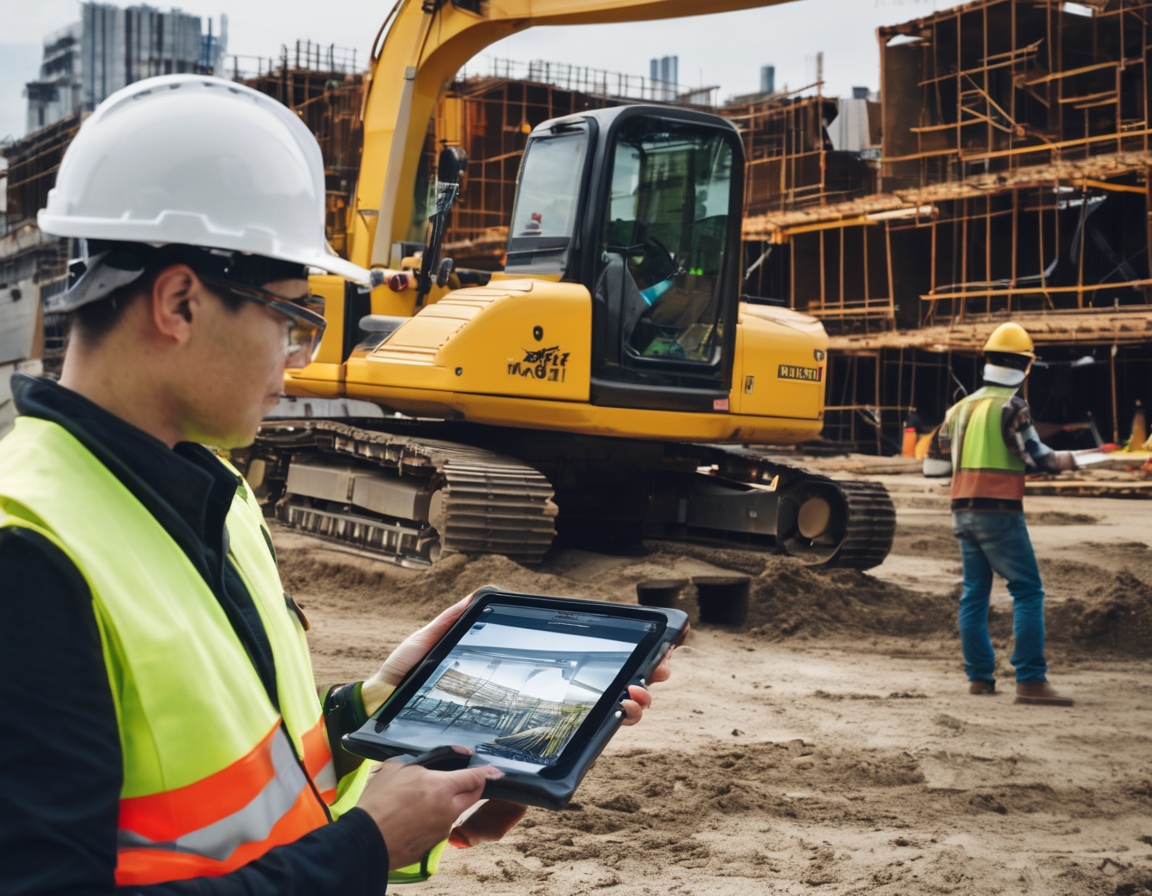
Project management software is a powerful tool for planning, executing, and monitoring construction projects. It helps in tracking progress, managing resources, and facilitating communication among team members.
BIM is a digital representation of the physical and functional characteristics of a building. It enhances collaboration, improves accuracy, and reduces errors by providing a comprehensive view of the project.
Drones and robotics are revolutionizing the construction industry by improving safety, efficiency, and accuracy. Drones are used for site surveys and inspections, while robotics assist in tasks such as bricklaying and concrete pouring.
Risk Management and Mitigation
Identifying potential risks early in the project helps in developing strategies to mitigate them. Common risks include delays, cost overruns, and safety hazards.
A comprehensive risk management plan outlines the strategies for mitigating identified risks. It includes contingency plans, risk assessments, and monitoring procedures.
Continuous monitoring of risks and adjusting strategies as needed is essential for minimizing their impact on the project. Regular reviews and updates to the risk management plan ensure that it remains effective throughout the project lifecycle.

Comments (0)