


Understanding engine repair: what you need to know

Engine repair is a crucial aspect of vehicle maintenance that ensures your car runs smoothly and efficiently. Understanding the basics of engine repair can help you identify potential issues early and seek professional help before they escalate into costly problems. This guide will walk you through common engine problems, diagnostic techniques, essential repair methods, and tips for choosing the right repair service.
Common Engine Problems
Overheating is a frequent issue that can lead to severe engine damage if not addressed promptly. It often results from a malfunctioning cooling system, such as a faulty radiator, thermostat, or water pump. Regularly checking your coolant levels and ensuring your cooling system is in good condition can prevent overheating.
Oil leaks are another common problem that can affect engine performance. They can occur due to worn-out gaskets, seals, or oil pans. If you notice oil spots under your vehicle or a burning oil smell, it's essential to have your engine inspected by a professional to prevent further damage.
Engine knocking is a concerning noise that often indicates a problem with the engine's internal components, such as the pistons or bearings. It can be caused by using the wrong fuel grade, carbon buildup, or worn-out parts. Addressing engine knocking early can prevent extensive damage and costly repairs.
Diagnosing Engine Issues
A visual inspection is the first step in diagnosing engine issues. Look for signs of leaks, corrosion, or damaged components under the hood. Checking the condition of belts, hoses, and fluid levels can also provide clues about potential problems.
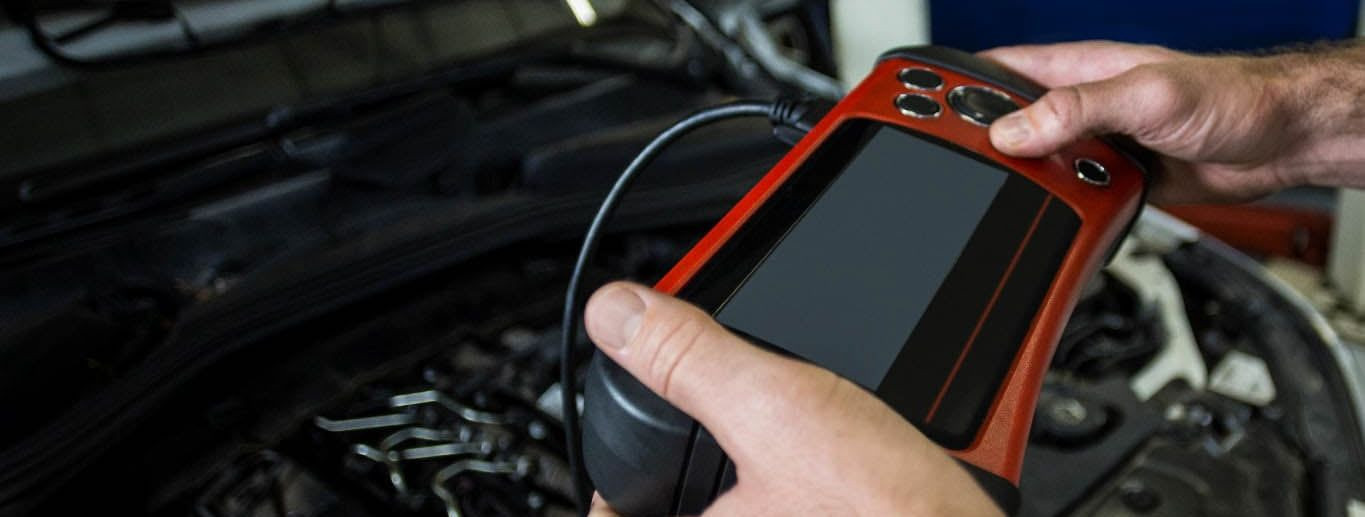
Modern vehicles are equipped with onboard diagnostic systems that can help identify engine issues. Using a diagnostic scanner, you can retrieve error codes that indicate specific problems. This information is invaluable for mechanics to pinpoint and address issues efficiently.
Essential Engine Repair Techniques
Spark plugs are vital for engine performance, and worn-out plugs can lead to misfires and reduced efficiency. Replacing spark plugs is a relatively simple task that can significantly improve engine performance and fuel economy.
Repairing oil leaks involves identifying the source of the leak and replacing the faulty components, such as gaskets or seals. It's crucial to address oil leaks promptly to prevent engine damage and maintain optimal performance.
The timing belt is a critical component that synchronizes the engine's camshaft and crankshaft. A worn or broken timing belt can cause severe engine damage. Regularly replacing the timing belt according to your vehicle's maintenance schedule is essential for preventing engine failure.
Importance of Regular Maintenance
Regular servicing is vital for maintaining engine health and preventing unexpected breakdowns. Following your vehicle's maintenance schedule ensures that all components are inspected and serviced at the appropriate intervals.
Regularly checking and changing engine fluids, such as oil, coolant, and transmission fluid, is crucial for optimal engine performance. Clean and sufficient fluids help reduce friction, prevent overheating, and extend the engine's lifespan.
Choosing the Right Repair Service
When selecting an engine repair service, it's essential to evaluate the expertise of the mechanics. Look for certified professionals with experience in handling your specific vehicle make and model.
Transparent pricing is a key factor in choosing a repair service. A reputable service provider will offer clear estimates and explain the costs involved in the repair process, ensuring there are no hidden charges.
Reading customer reviews and testimonials can provide insights into the quality of service offered by a repair shop. Positive feedback from satisfied customers is a good indicator of reliable and trustworthy service.



Comments (0)