


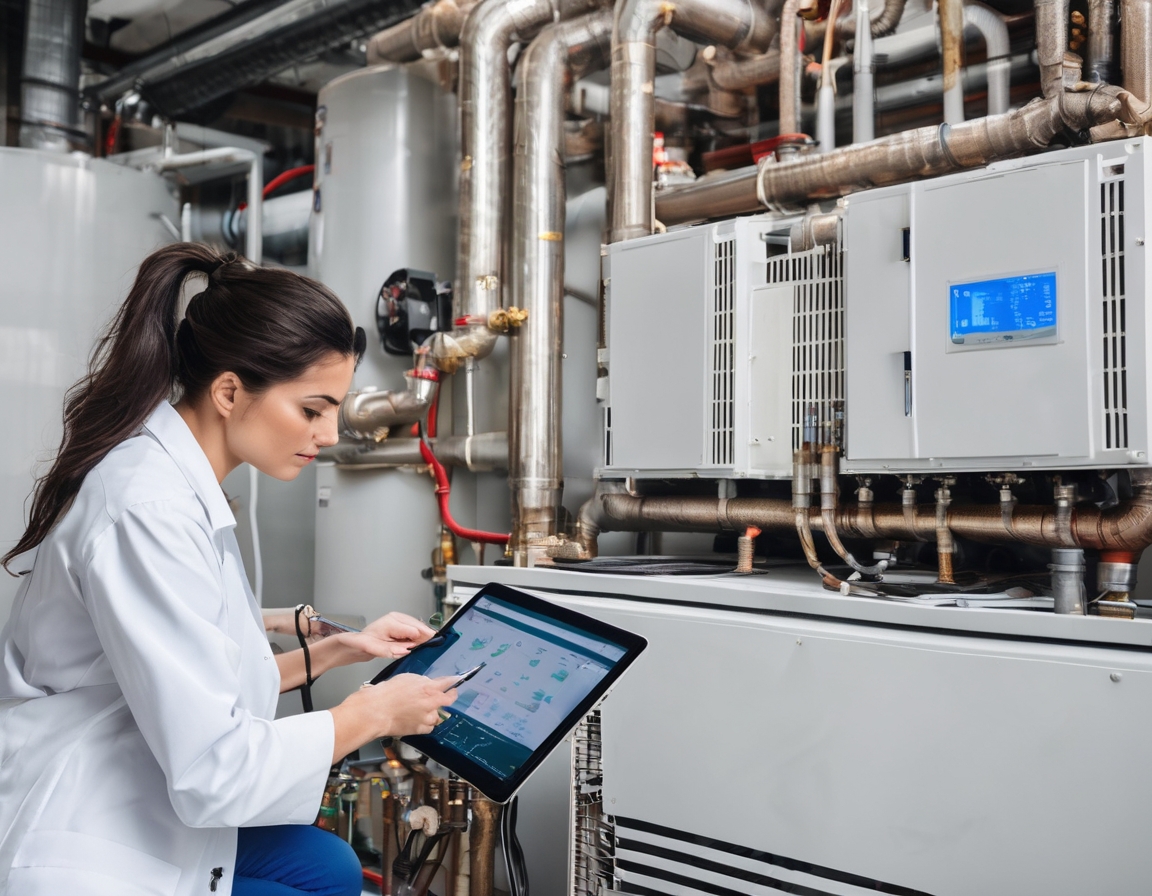
How automation enhances energy efficiency

In the modern industrial landscape, energy efficiency is not just a buzzword; it's a critical component of operational success. As energy costs continue to rise and environmental regulations become more stringent, businesses are increasingly turning to automation to enhance their energy efficiency. Automation technologies offer a powerful solution to optimize energy use, reduce waste, and improve overall system performance.
The Role of Automation in Industrial Energy Management
Automated monitoring and control systems are at the heart of energy efficiency in industrial settings. These systems provide real-time data on energy consumption, allowing facility managers to identify inefficiencies and make informed decisions. By automating the control of heating, cooling, and lighting systems, businesses can significantly reduce energy waste and ensure optimal performance.
Predictive maintenance is another critical aspect of automation that enhances energy efficiency. By using data analytics and machine learning algorithms, predictive maintenance systems can anticipate equipment failures before they occur. This proactive approach not only minimizes downtime but also ensures that machinery operates at peak efficiency, reducing unnecessary energy consumption.
Benefits of Automation for Industrial Businesses
One of the most compelling benefits of automation is cost reduction. Automated systems can optimize energy use, leading to significant savings on utility bills. Additionally, by reducing the need for manual intervention, businesses can lower labor costs and allocate resources more effectively.
Automation enhances system efficiency by ensuring that all components operate in harmony. This synchronization minimizes energy waste and maximizes output, allowing businesses to achieve their production goals with less energy input.
Automated systems provide continuous monitoring and diagnostics, which enhance the reliability of industrial operations. By identifying potential issues early, businesses can perform maintenance proactively, reducing the risk of unexpected breakdowns and costly repairs.
Key Technologies in Energy Automation
Smart sensors and IoT devices are integral to modern energy automation. These technologies collect and transmit data on energy usage, environmental conditions, and equipment performance. This data is crucial for optimizing energy consumption and improving operational efficiency.
Energy management software provides a centralized platform for monitoring and controlling energy use. These systems offer insights into energy patterns, enabling businesses to implement strategies for reducing consumption and enhancing efficiency.
Automation facilitates the integration of renewable energy sources, such as solar and wind, into industrial operations. By intelligently managing the flow of energy from these sources, businesses can reduce their reliance on fossil fuels and lower their carbon footprint.
Challenges and Considerations in Implementing Automation
While the benefits of automation are clear, the initial investment can be a barrier for some businesses. However, the long-term savings and efficiency gains often justify the upfront costs, providing a strong return on investment.
As industrial systems become more connected, cybersecurity becomes a critical concern. Protecting automated systems from cyber threats is essential to ensure the integrity and reliability of energy management operations.
Implementing automation requires a skilled workforce capable of managing and maintaining advanced systems. Businesses must invest in training and development to ensure their teams can effectively leverage automation technologies.

Comments (0)