


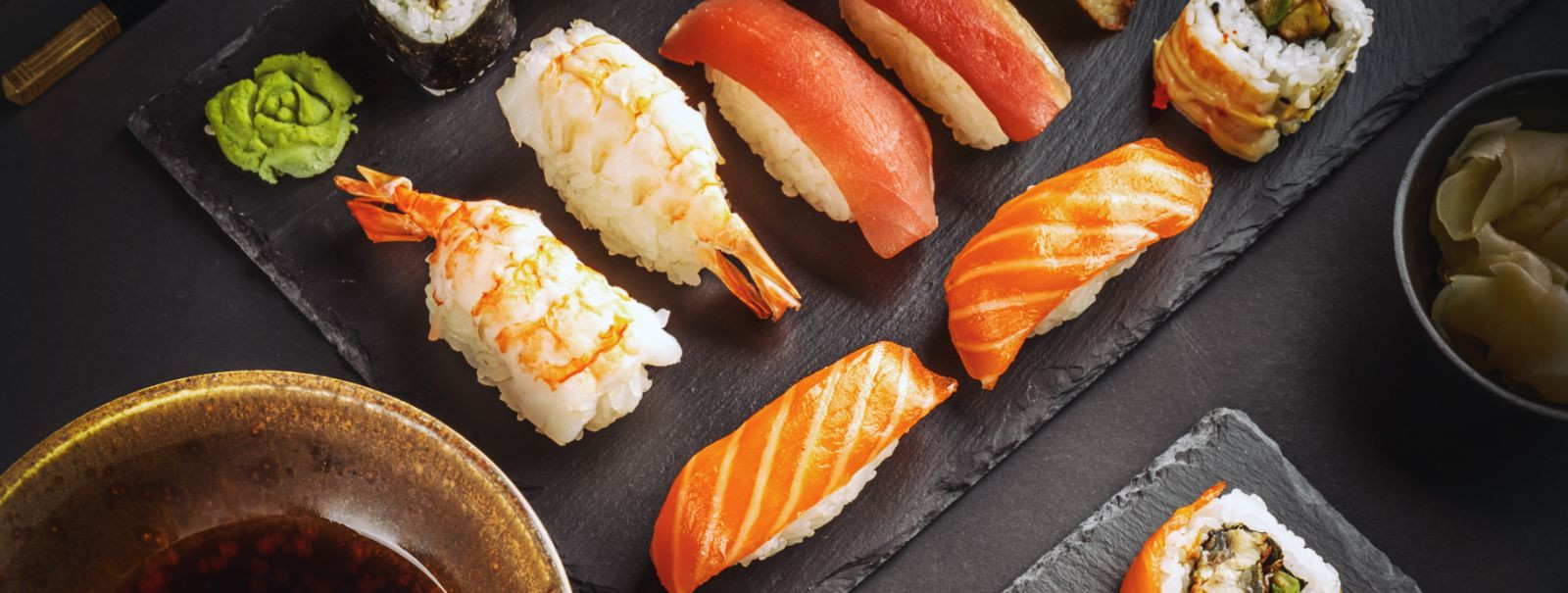
Exploring japanese cuisine: beyond sushi

Japanese cuisine is a harmonious blend of tradition, culture, and innovation. While sushi is undoubtedly the most recognized Japanese dish worldwide, the culinary landscape of Japan offers a vast array of flavors and textures that go beyond this iconic dish. For those residing in Tallinn and surrounding areas, exploring the depths of Japanese cuisine can be a delightful journey into a world of taste and tradition.
The Rich History of Japanese Culinary Arts
The history of Japanese cuisine is deeply intertwined with the country's cultural and social evolution. From the introduction of rice cultivation over 2,000 years ago to the influence of Chinese and Western cuisines, Japanese culinary arts have evolved into a sophisticated and diverse gastronomic tradition. The emphasis on seasonal ingredients and presentation reflects the Japanese philosophy of harmony and balance.
Key Ingredients in Japanese Cooking
Rice is the staple of Japanese cuisine, forming the foundation of many traditional dishes. Noodles, such as soba, udon, and ramen, are also integral, each offering unique textures and flavors.
Japan's geographical location as an island nation makes seafood a central component of its cuisine. From fresh sashimi to grilled fish, seafood is celebrated in various forms. Meat, particularly chicken, pork, and beef, is also popular, often prepared in dishes like yakitori and tonkatsu.
Vegetables play a crucial role in Japanese cooking, often served pickled, steamed, or stir-fried. Tofu, a versatile soy product, is a staple in many vegetarian and non-vegetarian dishes.
Japanese cuisine relies on a variety of seasonings and condiments to enhance flavors. Soy sauce, miso, mirin, and sake are commonly used, along with wasabi and pickled ginger.
Traditional Japanese Dishes
Ramen, a noodle soup dish, has gained international fame for its rich broth and diverse toppings. Each region in Japan offers its own unique take on ramen, making it a must-try for food enthusiasts.
Tempura involves lightly battered and deep-fried seafood or vegetables. This dish is known for its delicate texture and is often served with a dipping sauce.
Often referred to as a Japanese pancake, okonomiyaki is a savory dish made with a batter of flour, eggs, and shredded cabbage, topped with a variety of ingredients.
Yakitori consists of skewered and grilled chicken, seasoned with salt or a savory sauce. It's a popular street food and a staple in izakayas (Japanese pubs).
Tonkatsu is a breaded and deep-fried pork cutlet, typically served with shredded cabbage and a tangy sauce. It's a comforting dish that showcases the Japanese love for crispy textures.
Regional Specialties
The Kansai region, including Osaka and Kyoto, is known for its emphasis on light and delicate flavors. Dishes like takoyaki and kaiseki reflect the region's culinary finesse.
Kanto, home to Tokyo, offers bolder flavors with dishes like monjayaki and tempura. The region's cuisine is influenced by its bustling urban environment.
Kyushu, in southern Japan, is famous for its rich and hearty dishes, such as tonkotsu ramen and mentaiko. The region's cuisine is influenced by its proximity to Korea and China.
Modern Japanese Fusion Cuisine
In recent years, Japanese cuisine has embraced fusion, blending traditional techniques with global flavors. This modern approach has led to innovative dishes that appeal to a wide audience, including those in Tallinn seeking new culinary experiences.
The Art of Japanese Dining
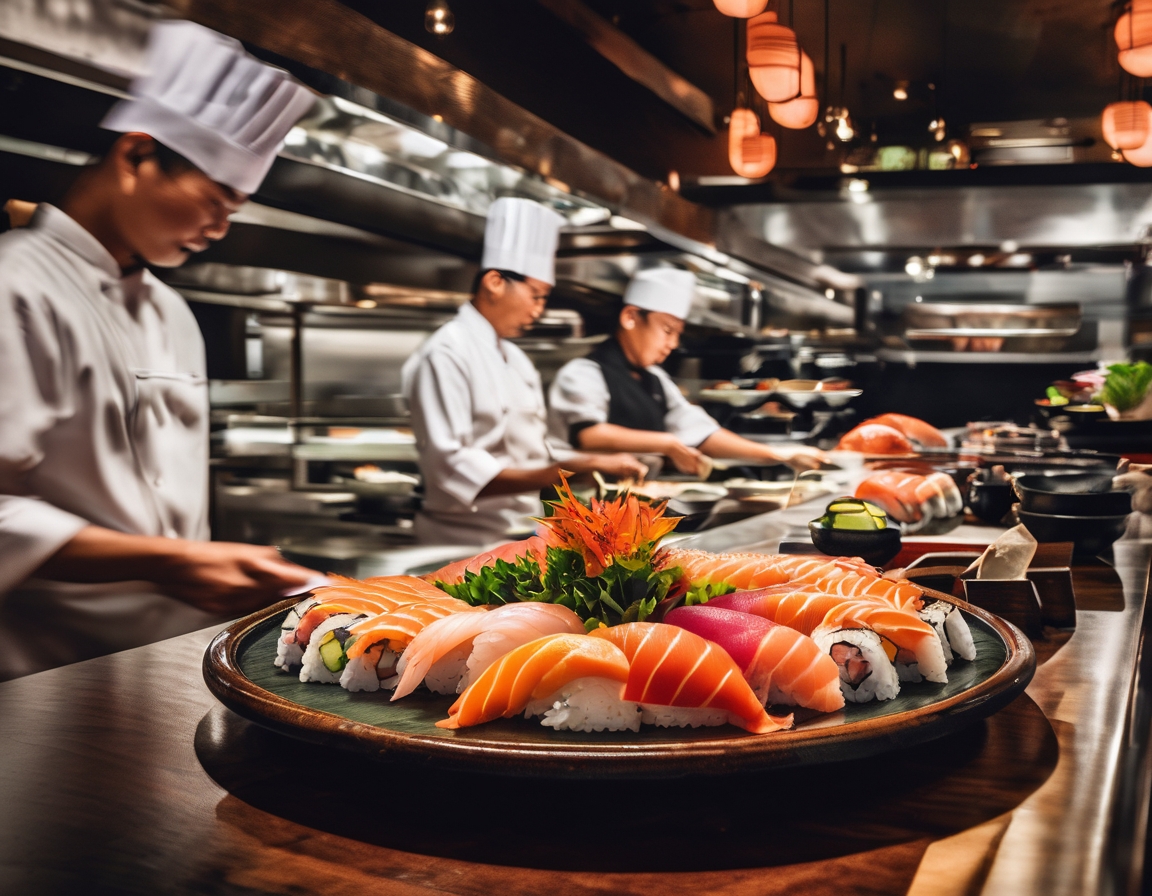
Dining in Japan is not just about the food; it's an experience that involves etiquette, presentation, and ambiance. From the meticulous arrangement of dishes to the use of seasonal tableware, Japanese dining is an art form that enhances the overall enjoyment of the meal.

Comments (0)