


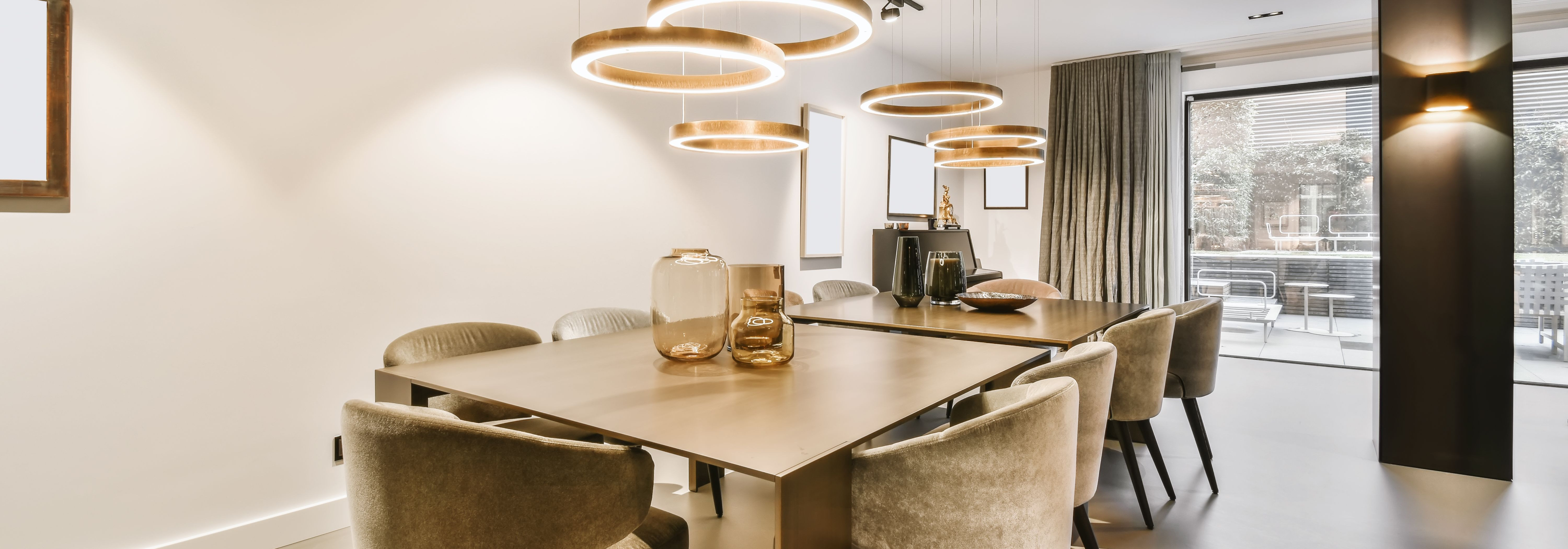
The importance of lighting in interior design

Lighting is a fundamental element of interior design that significantly influences the overall look and feel of a space. It is not just about illuminating a room; it is about creating an atmosphere, enhancing aesthetics, and ensuring functionality. For homeowners and businesses seeking to reflect their personal or brand identity through interior design, understanding the importance of lighting is crucial.
2. The Role of Lighting in Enhancing Aesthetic Appeal
Lighting sets the mood of a room. Whether you desire a cozy, intimate setting or a bright, energetic atmosphere, the right lighting can transform a space to meet your needs. By adjusting the intensity and color of light, you can create various ambiances that align with your design goals.
Strategically placed lighting can accentuate architectural features such as columns, alcoves, or textured walls. By highlighting these elements, lighting adds depth and dimension to a room, enhancing its visual appeal and creating focal points that draw the eye.
3. Functional Aspects of Lighting
Task lighting is essential for performing specific activities such as reading, cooking, or working. It provides focused illumination that enhances visibility and reduces eye strain. Proper task lighting is crucial in areas like kitchens, home offices, and study rooms.
Accent lighting is used to draw attention to particular objects or areas within a space, such as artwork, sculptures, or architectural details. It adds drama and interest, creating a layered lighting effect that enhances the overall design.
4. Types of Lighting and Their Applications
Ambient lighting provides overall illumination for a room, ensuring a comfortable level of brightness without glare. It is the foundation of any lighting plan and can be achieved through ceiling fixtures, chandeliers, or wall-mounted lights.
As mentioned earlier, task lighting is focused and functional, designed to illuminate specific areas where activities are performed. Desk lamps, under-cabinet lights, and pendant lights are common examples.
Accent lighting adds visual interest and highlights specific features within a space. Track lighting, wall sconces, and recessed lighting are often used to achieve this effect.
5. The Impact of Lighting on Mood and Well-being
Lighting has a profound impact on mood and well-being. Natural light is known to boost mood and productivity, while artificial lighting can be used to create environments that promote relaxation or focus. Understanding the psychological effects of lighting can help in designing spaces that enhance comfort and well-being.
6. Tips for Choosing the Right Lighting for Your Space
Before selecting lighting, consider the purpose of the room and the activities that will take place there. This understanding will guide your choice of lighting types and fixtures.
Layering different types of lighting—ambient, task, and accent—creates a balanced and versatile lighting scheme. This approach allows for flexibility and adaptability to different needs and occasions.
Choose fixtures that complement your interior design style and meet the functional requirements of the space. Consider the scale, material, and design of the fixtures to ensure they enhance the overall aesthetic.


Comments (0)