


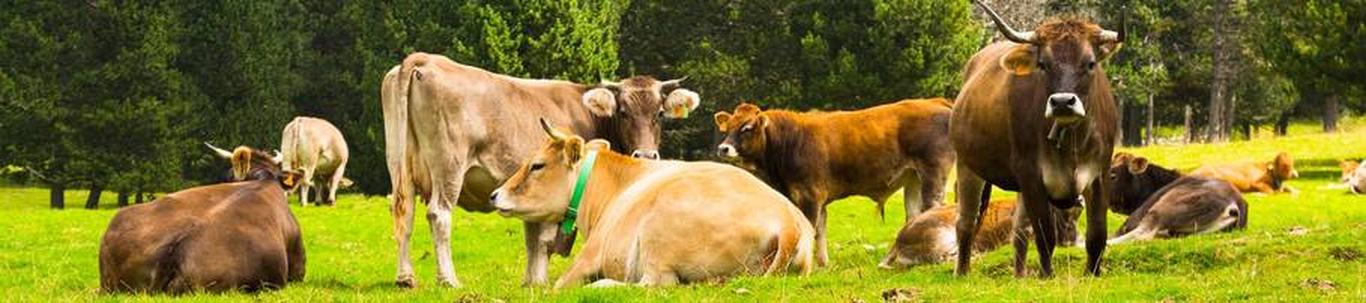
Farm combining livestock and crop production into an efficient whole

Strong The holding needs a well-considered organisation, reliable processes and a clear focus on the result. If livestock and plant work together as a single system, more stable production, better resource use and long-term growth can be achieved. It is this integrated approach that provides a sound basis for both improving production and maintaining quality.
The activity is targeted at customers and cooperation partners who value professional agriculture, animal health care and sustainable management. The aim is not only to produce, but to do so in a way that promotes the welfare of the herd, the fertility of the countries and the competitiveness of the company. Considered bovine farming and herd farming together with effective plant husbandry create a working circle where each part supports the other.
Why does the integrated agricultural approach work?
If production is built in one whole, management becomes easier and results are more predictable. The animals shall be provided with better housing conditions and a careful and targeted management of the fields. This model helps to reduce waste, improve the efficiency of production and strengthen business stability even in the long term.
ul>Kellelele such a solution?
p> This is particularly valuable for businesses and cooperation partners who want a firm quality, consistency and flexible approach.Animal husbandry and plant husbandry are not separate objectives but mutually reinforcing areas. If they are managed skilfully, the profitability of production will increase and the ability to respond to market and seasonal changes will improve. This creates confidence both in day-to-day work and in the implementation of future plans.
Substantial advantages in cooperation
Substantial agricultural partner offers more than just production. The value lies in consistency, transparent organisation and readiness to maintain a high level of quality at every stage. Cattle-growing and Bovine-growing have been organised in such a way that the focus is on animal welfare, productivity and long-term results.
In addition, a systemic approach helps to better plan work volumes, manage costs and keep production under control. This means less uncertainty and more clarity throughout the chain of operations. Such a strong foundation is important both for the achievement of today's goals and for the future development of the company.
If the focus is on quality agriculture, carefully managed production and reliable cooperation, a value will be created that lasts. A comprehensive approach creates a competitive advantage, strengthens the position of the company and supports sustainable growth.
Comments (0)