



How to prepare for your first orthopedic appointment

Orthopedics is a branch of medicine focused on the diagnosis, treatment, prevention, and rehabilitation of musculoskeletal disorders. This includes issues related to bones, joints, ligaments, tendons, and muscles. Orthopedic specialists are trained to manage a wide range of conditions, from acute injuries to chronic degenerative diseases.
Orthopedic specialists treat a variety of conditions such as fractures, sprains, arthritis, back pain, and sports injuries. They also manage chronic conditions like osteoporosis and degenerative joint diseases, providing both surgical and non-surgical treatment options.
Gathering Necessary Medical Information
Before your appointment, compile a comprehensive medical history. Include any previous orthopedic treatments, surgeries, or therapies you have undergone. This information will help your specialist understand your condition better and tailor a treatment plan to your needs.
Document your current symptoms in detail. Note the onset, duration, and intensity of pain or discomfort, and any factors that alleviate or exacerbate your symptoms. This will assist your specialist in making an accurate diagnosis.
Preparing Questions for Your Orthopedic Specialist
Prepare a list of questions regarding your diagnosis. Ask about the nature of your condition, potential causes, and how it might progress. Understanding your diagnosis is crucial for making informed decisions about your treatment.
Inquire about the available treatment options, including their benefits, risks, and expected outcomes. Discuss both surgical and non-surgical approaches, and ask about the recovery process and any lifestyle changes you might need to make.
What to Expect During Your Appointment
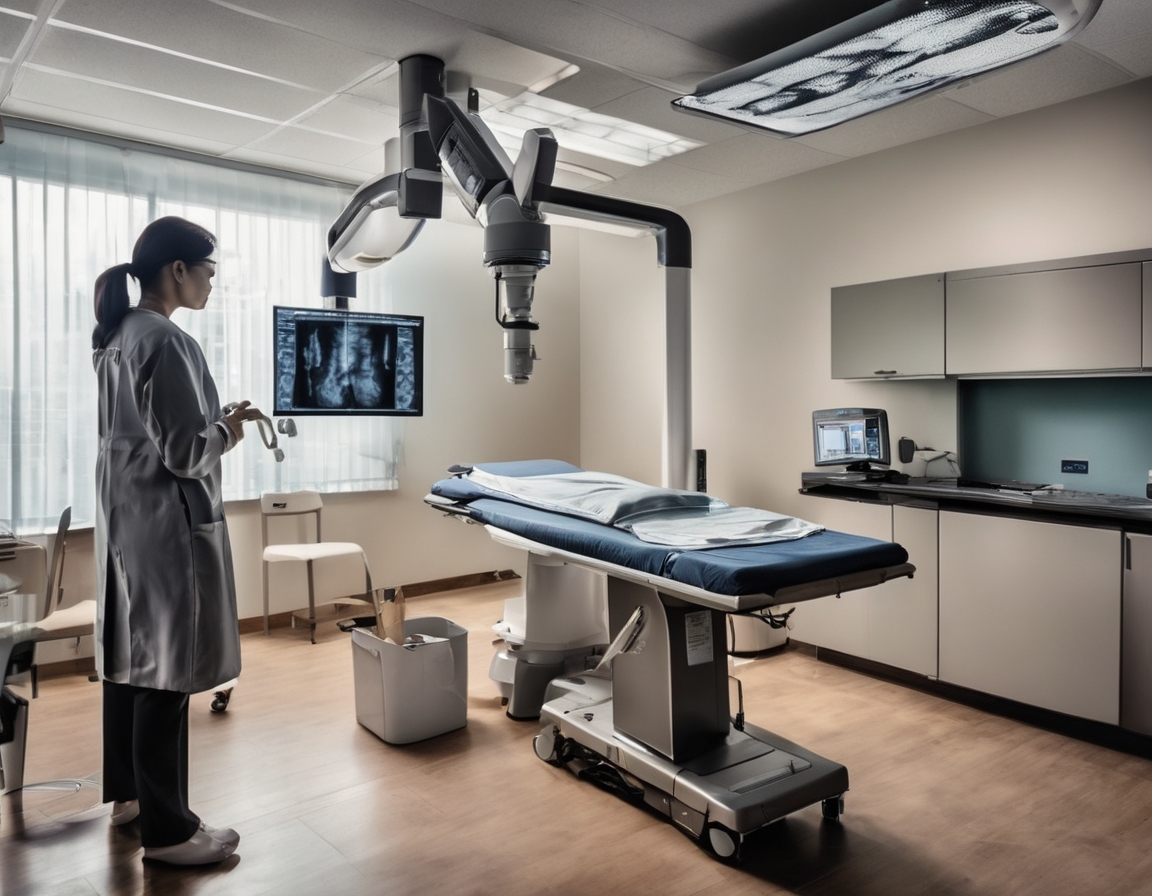
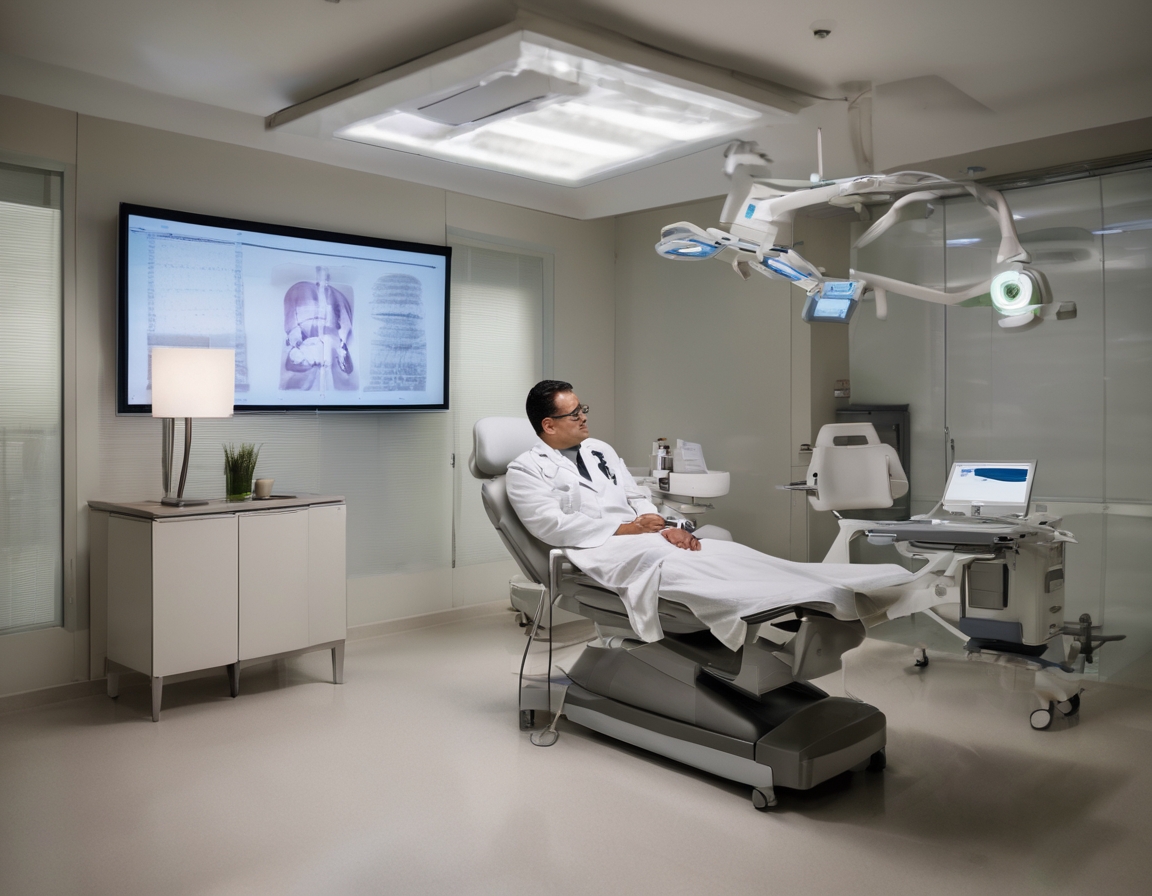
Your first appointment will likely include a thorough consultation and physical examination. The specialist will assess your range of motion, strength, and any visible deformities or swelling. This initial evaluation is crucial for developing an effective treatment plan.
Depending on your condition, the specialist may recommend diagnostic tests such as X-rays, MRIs, or CT scans. These imaging techniques provide detailed insights into the structure and function of your musculoskeletal system, aiding in accurate diagnosis and treatment planning.
Post-Appointment Steps
After your appointment, review the treatment plan provided by your specialist. Ensure you understand the recommended therapies, medications, or surgical procedures, and follow any prescribed rehabilitation exercises or lifestyle modifications.
Schedule any necessary follow-up appointments to monitor your progress and adjust your treatment plan as needed. Regular check-ins with your orthopedic specialist are essential for achieving optimal outcomes and maintaining your musculoskeletal health.
Comments (0)