


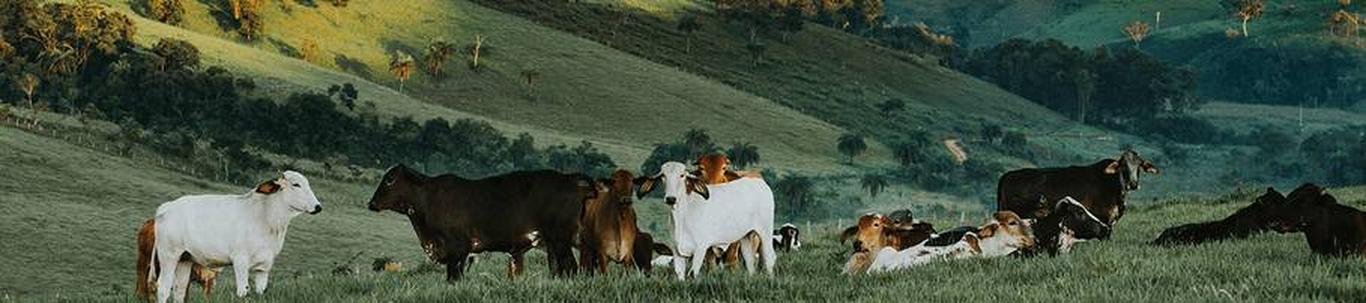
Feedingstuffs - high-quality and cost-effective animal feed for hay and grazing practices

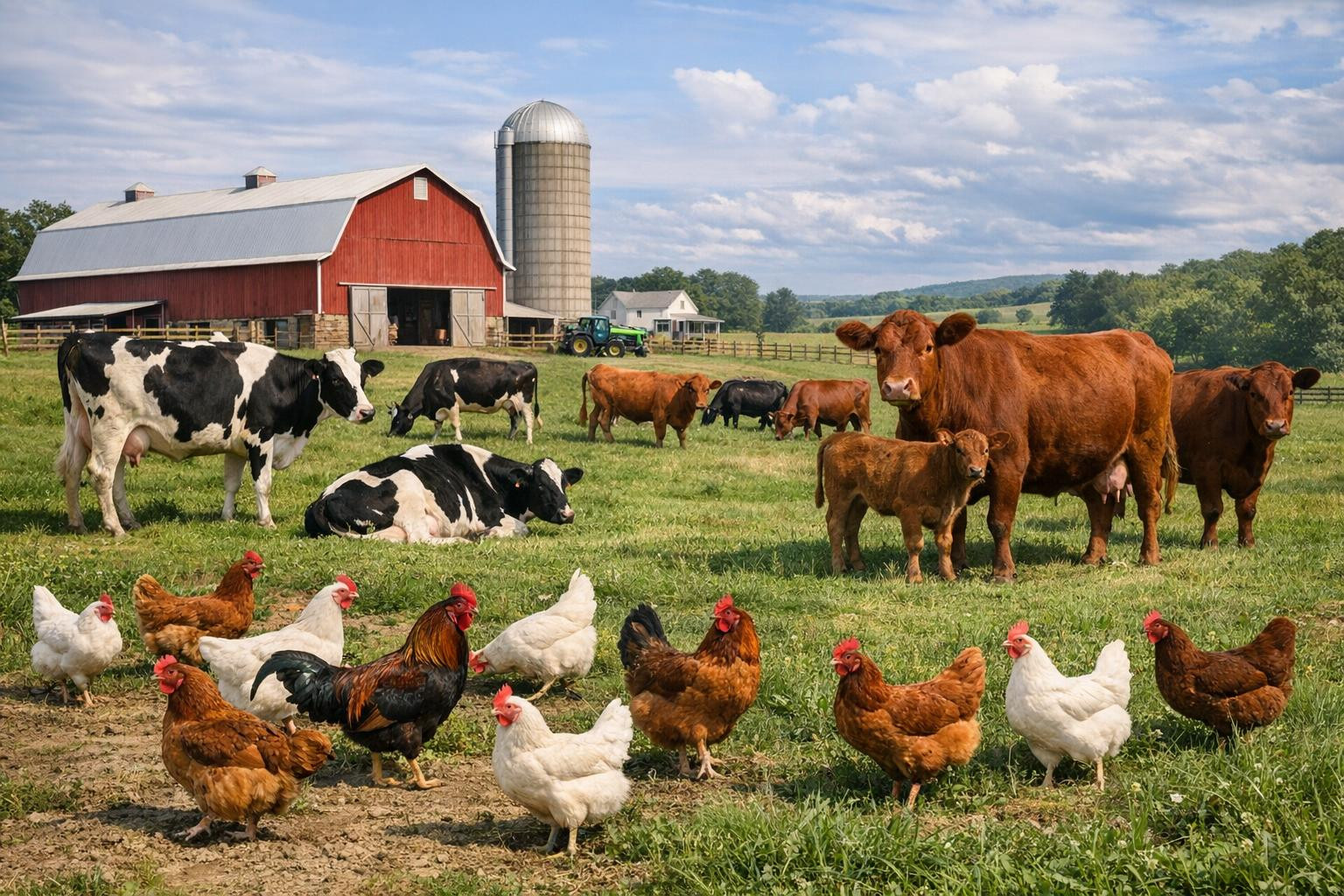
Feed production combines scientific approaches and practical experience in order to provide local farms with a reliable and nutrient-rich solution for feeding animals. Optimised grassland and grazing ensure consistent quality, significant cost savings and better production results for both dairy and meat transport and sheep and goat farmers.
Who benefits?
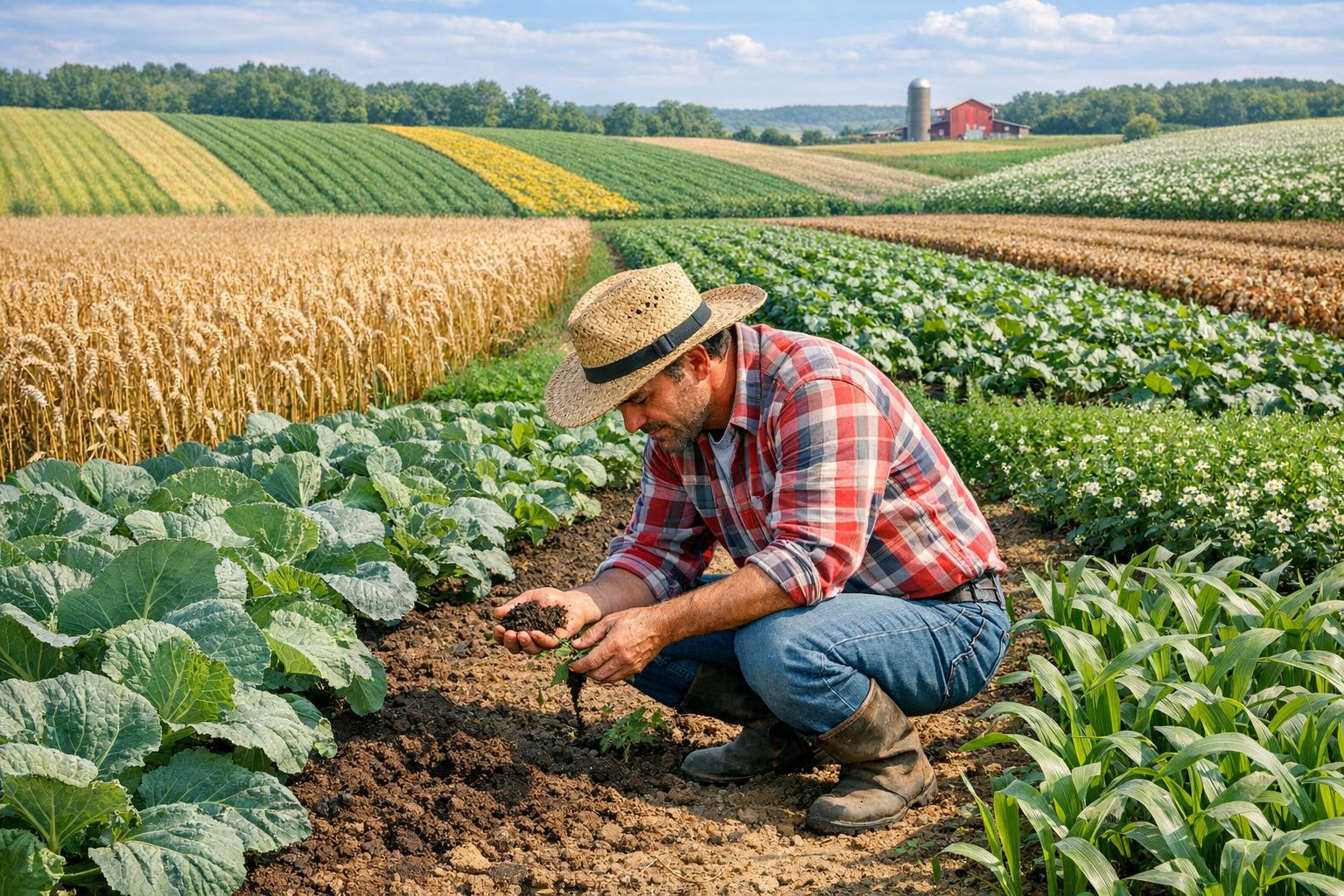
Farmers, small farmers, large livestock keepers and eco-producers looking for a sustainable and cost-effective way to feed animals. A special value for the preservation of the natural environment for those who contribute to ethical grazing and high-quality haystack to support animal health and productivity.
What is offered and why it is important?
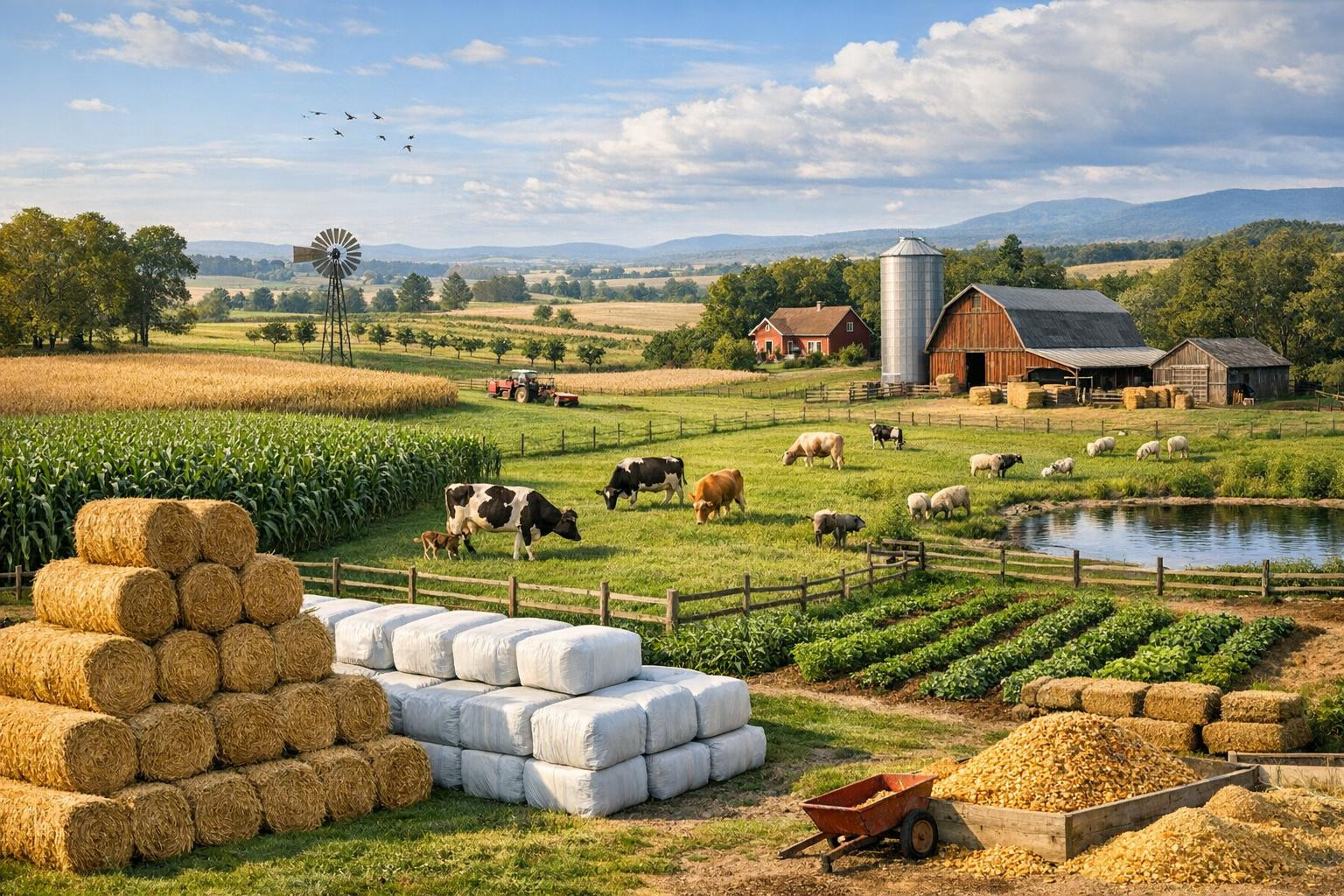
The compiled solutions cover the whole process from grass mass assessment and optimal hay timing to mixing of specialised feeds and grazing planning. The purpose is to ensure that animal feeding is based on accurate nutrition analysis, improves animal health and reduces food costs without sacrificing yields.
Principal functions and services
- <Privacy approach: feed compositional analysis and personal nutrient balancing solutions.
- rivacy >rivacy:Privacy:, optimized timing, drying and storage, which reduces the risk of molding and quality.
- Rivacy:rivacy and support:privacy and management of pasture management, which increases herd health and land management.>>> The production of improved fodder reduces dependence on market conditions and imported food while increasing local confidence in production. Modern technology and practical training ensure that investments in hay and grazing practices bring measurable benefits.
How to start?
At first feed and herd analysis is carried out, then a specific action plan is drawn up: a schedule for hay action, a grazing schedule and optimised feed sections. Through clear steps and continuous support, animal feeding becomes more predictable, efficient and sustainable.
Result is a healthier pasture, lower production costs and better economic indicators - all of this thanks to a strategic and high-quality approach to the production of fodder that combines best pasture and grazing practices.
Comments (0)