

The art of car bodywork: techniques and tips

Car bodywork is an essential aspect of vehicle maintenance and restoration, focusing on the repair and enhancement of a car's exterior. It involves a combination of artistry and technical skill to restore a vehicle's appearance and ensure its structural integrity. Whether you're dealing with minor scratches or major dents, understanding the art of car bodywork can help you maintain your vehicle's aesthetic appeal and value.
Essential Tools for Car Bodywork
Before diving into car bodywork, it's crucial to have the right tools at your disposal. Some of the essential tools include:
- Body Hammers and Dollies: Used for shaping and smoothing metal surfaces.
- Sanders and Polishers: Essential for preparing surfaces and achieving a smooth finish.
- Paint Sprayers: For applying paint evenly and efficiently.
- Welding Equipment: Necessary for panel replacement and structural repairs.
- Body Filler and Spreaders: Used to fill dents and imperfections before painting.
Techniques for Car Body Repair
Dent removal is a common task in car bodywork. Techniques such as paintless dent repair (PDR) allow for the removal of minor dents without affecting the paint. This method involves using specialized tools to gently massage the dented area back to its original shape.
Scratches can detract from a car's appearance and lead to rust if left untreated. Repairing scratches involves sanding the affected area, applying primer, and repainting. For deeper scratches, body filler may be necessary to achieve a smooth surface before painting.
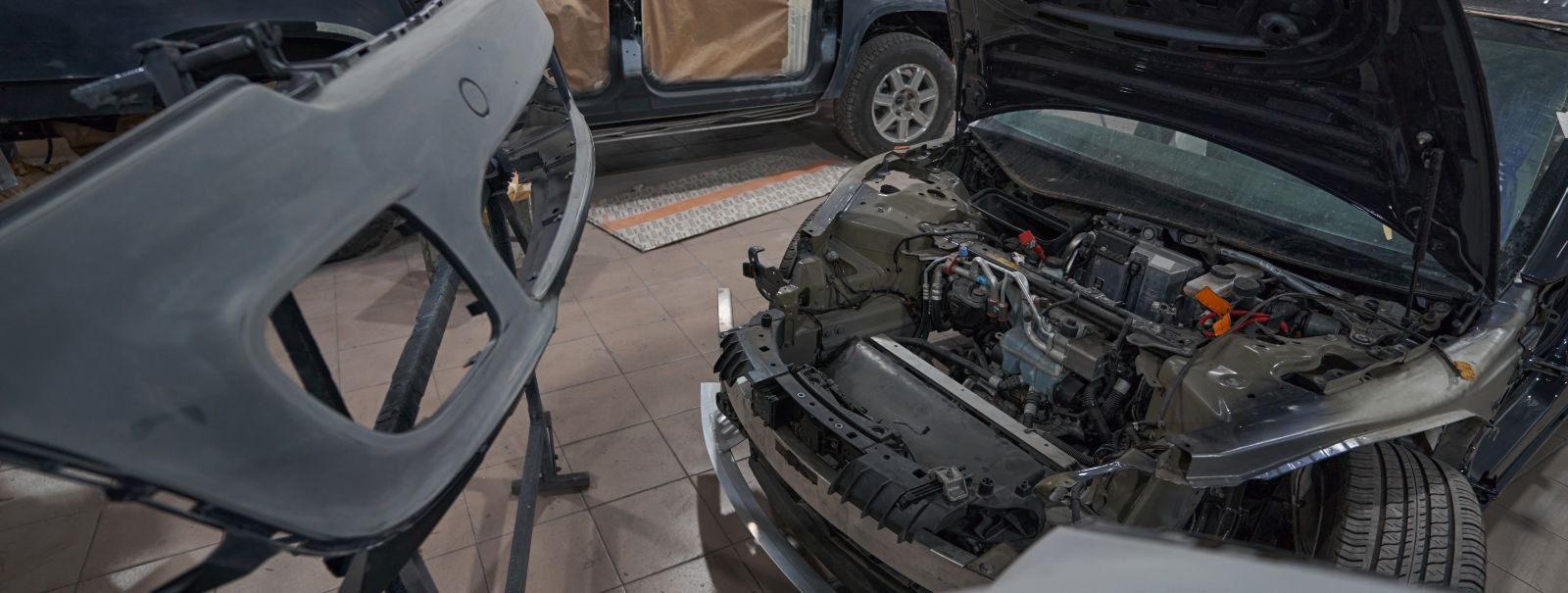
In cases of severe damage, panel replacement may be required. This involves removing the damaged panel and welding a new one in place. Proper alignment and welding techniques are crucial to ensure the structural integrity and appearance of the vehicle.
Tips for Achieving a Flawless Finish
Achieving a flawless finish requires attention to detail and patience. Here are some tips to help you achieve professional results:
- Surface Preparation: Thoroughly clean and sand the surface to ensure proper paint adhesion.
- Use Quality Materials: Invest in high-quality paint and body filler for a durable finish.
- Apply Even Coats: Use a paint sprayer to apply even coats of paint, allowing each layer to dry completely before applying the next.
- Polish and Buff: After painting, polish and buff the surface to achieve a glossy finish.
Importance of Professional Car Bodywork Services
While DIY car bodywork can be rewarding, certain repairs require professional expertise. Professional car bodywork services ensure that repairs are done correctly and safely, preserving your vehicle's value and appearance. Experienced technicians have the skills and equipment necessary to handle complex repairs and achieve a factory-quality finish.


Comments (0)