


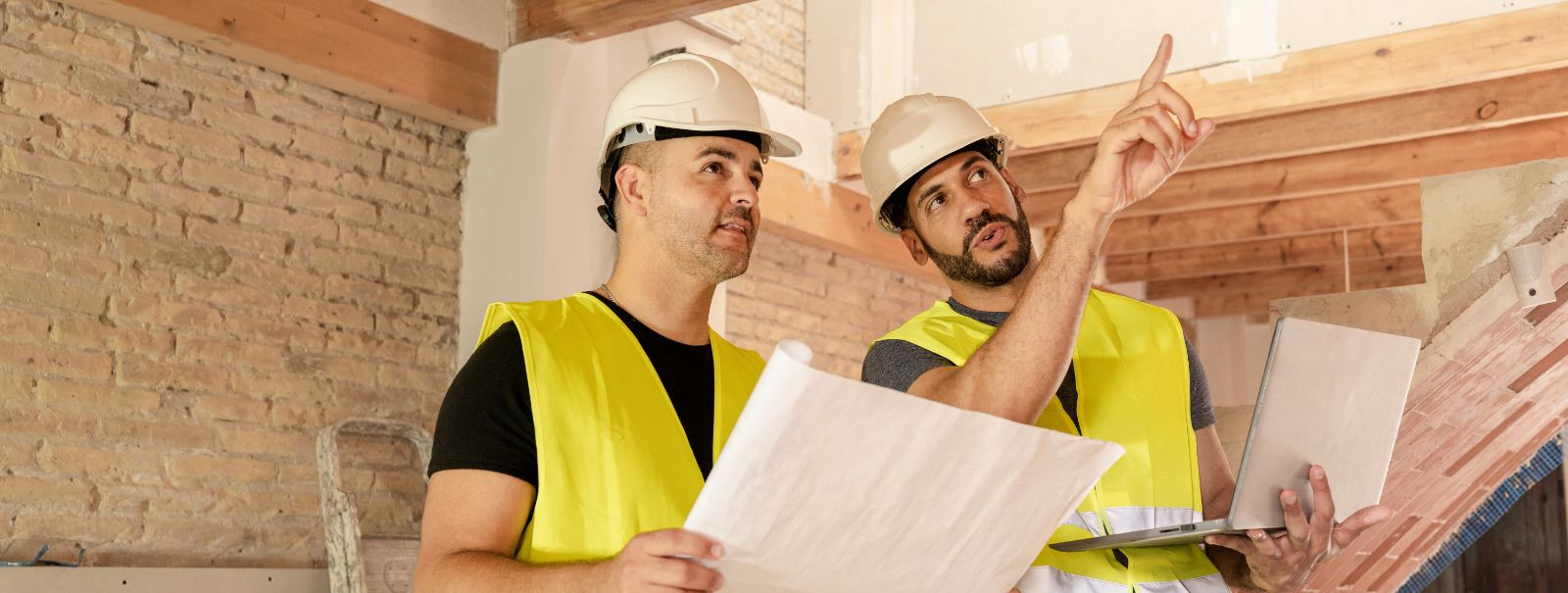
How to ensure quality in home construction

Quality in home construction is not just about aesthetics; it encompasses the durability, functionality, and sustainability of the building. A quality home is built to last, withstanding environmental challenges while providing comfort and safety to its occupants.
Investing in quality construction enhances the long-term value of your home. A well-constructed home requires less maintenance, has a higher resale value, and provides a better living experience. Quality construction also means energy efficiency, which can lead to significant savings on utility bills.
2. Selecting the Right Plot
The location of your plot is crucial. Consider proximity to essential services, schools, and workplaces. Accessibility to public transport and major roads can also influence the convenience and value of your home.
Environmental factors such as soil quality, flood zones, and natural light availability should be assessed. These factors can affect the construction process and the long-term sustainability of your home.
3. Choosing the Right Design and Architectural Style
Your home should reflect your lifestyle. Consider the number of rooms, open spaces, and specific features that cater to your family's needs. A well-thought-out design ensures functionality and comfort.
Modern architecture often includes sustainable elements such as solar panels, energy-efficient windows, and green roofs. These features not only reduce your carbon footprint but also enhance the aesthetic appeal of your home.
4. Hiring the Right Professionals
Choosing the right builder is critical. Look for experienced professionals with a proven track record. Check references and past projects to ensure they meet your quality standards.
Architects and designers play a vital role in bringing your vision to life. They ensure that the design is both functional and aesthetically pleasing, while also adhering to building codes and regulations.
5. Ensuring Quality Materials and Craftsmanship
Invest in high-quality materials that offer durability and longevity. While they may cost more upfront, they save money in the long run by reducing repair and maintenance costs.
Skilled labor is essential for quality craftsmanship. Ensure that your contractors employ experienced workers who are proficient in their trades.
6. Navigating the Construction Process
A clear understanding of the construction timeline helps manage expectations and ensures that the project stays on track. Regular updates from your builder can help you stay informed.
Conduct regular inspections to ensure that the construction meets quality standards. Address any issues promptly to avoid costly repairs later.
7. Finalizing the Construction
Before finalizing the construction, conduct a thorough walkthrough with your builder. Check for any defects or unfinished work that needs attention.
Address any snags or issues identified during the walkthrough. Ensure that all final adjustments are made to your satisfaction before taking possession of your new home.


Comments (0)