

Effective Circular Transport: Reduce Empty Rides and Optimize Repeated Routes

Ringve provides an opportunity to make regular transport more predictable, cost-effective and environmentally friendly. The centre of the service is a planned and customised round-trip scheme that minimizes the number of empty journeys, increases the use of vehicles and provides a stable basis for planning scheduled journeys and optimizing the supply chain.
What is round-trip transport?
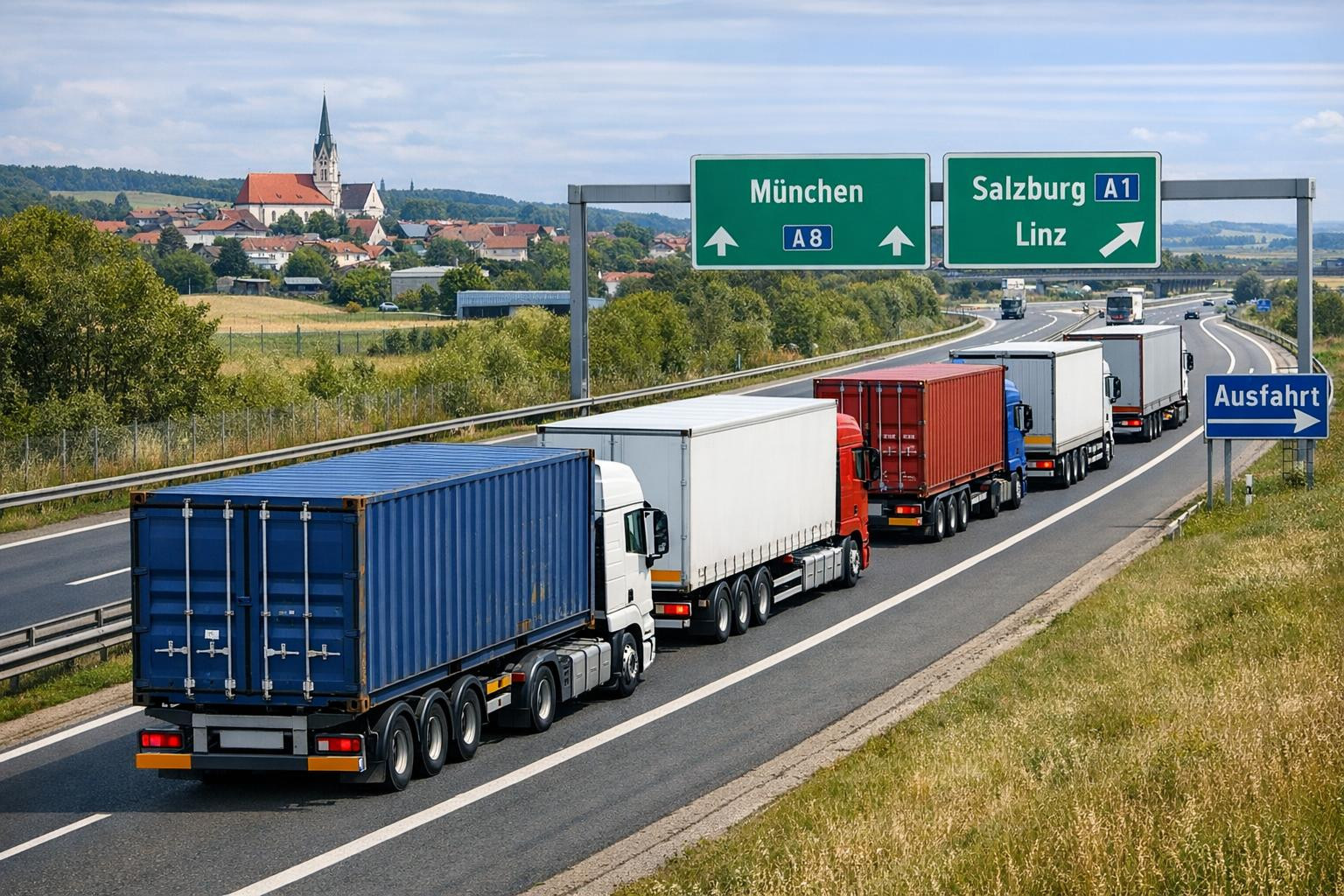
Route transport means repeated, predefined journeys where goods and shipments circulate cyclically within the same road networks. Unlike ad hoc loads, this is based on the system: journeys are made in such a way that the reduction of empty journeys and scheduled journeys are carried out with maximum efficiency. Planned repetitive routes allow for a better allocation of resources and a clear cost structure.
Who is appropriate?
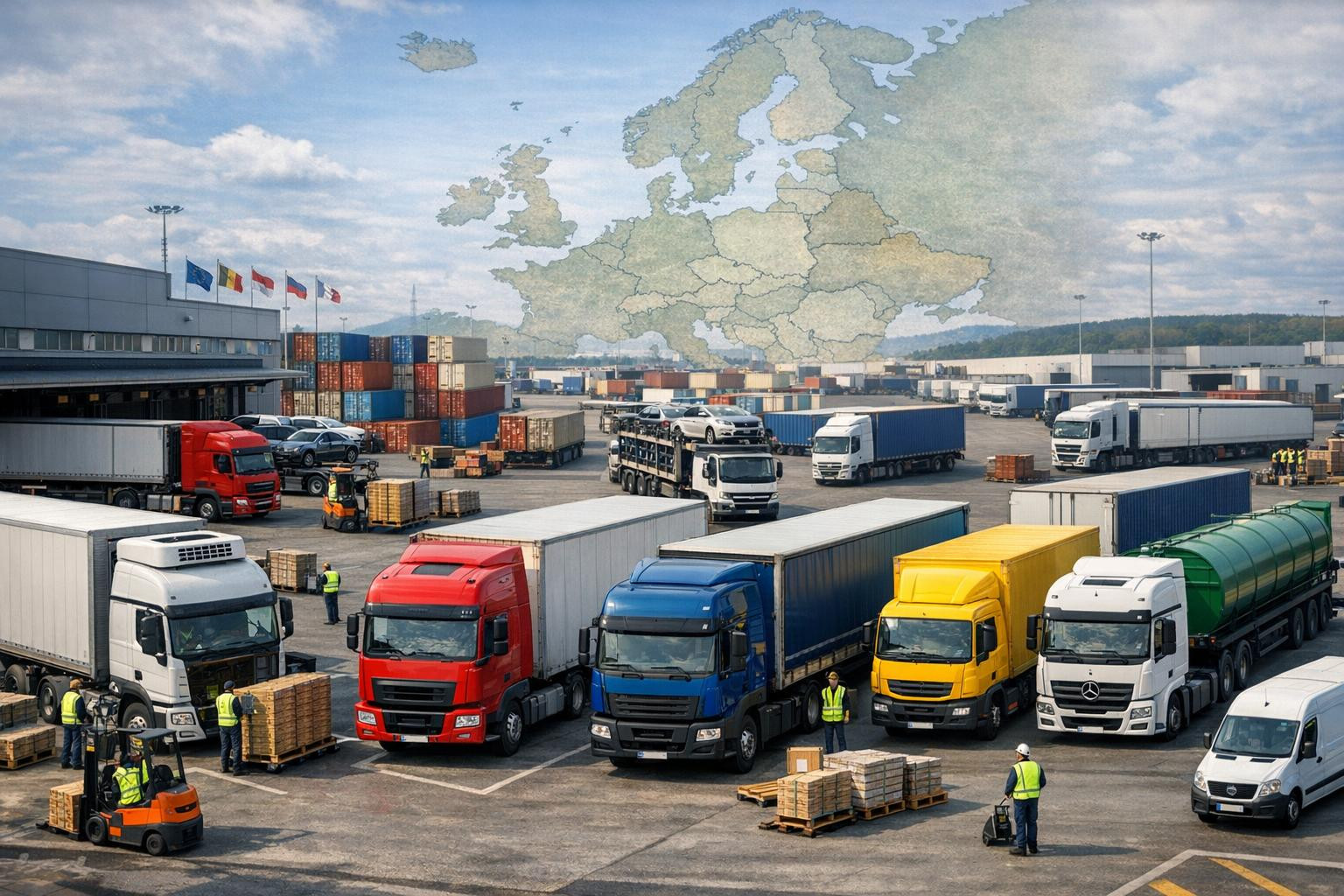
- Distribution centres and logistics companies that regularly serve the same customers or regions Production companies with routine delivery or delivery schedulesli>E‐traders and retailers who need reliable scheduled transport
- Transport companies that want to increase vehicle efficiency and reduce idle travel
- Data collection and analysis
- >Return route planning and optimisation
- Graf transport timing and vehicle aggregation
How does this work?
In the beginning, existing transport patterns, loading points and volumes are identified. The following is the optimisation of the routes, taking into account capacity variations and connecting basically suitable stops. The final result is a fixed or semi-dynamic graph which supports regular scheduled transport and allows rapid adaptation in the event of changing requirements.
Basic steps
Main advantages
< < </l The reduction of public transport means less fuel consumption and less time-consuming. </l l </l l >l l > Analytical and real-time monitoring allow for a rapid response to supply volatility while maintaining targets to reduce empty journeys and increase cost-efficiency.Ringload creates a clear, measurable way to increase the efficiency of the supply network: better capacity, more predictable scheduled transport services and a noticeable reduction in costs.To achieve interesting results, it is worth starting a route audit and piloting - a small test phase provides a quick overview of potential savings and helps to realistically plan a wider application.
Comments (0)