


Livestock care: regular health surveillance and preventive care for a better result

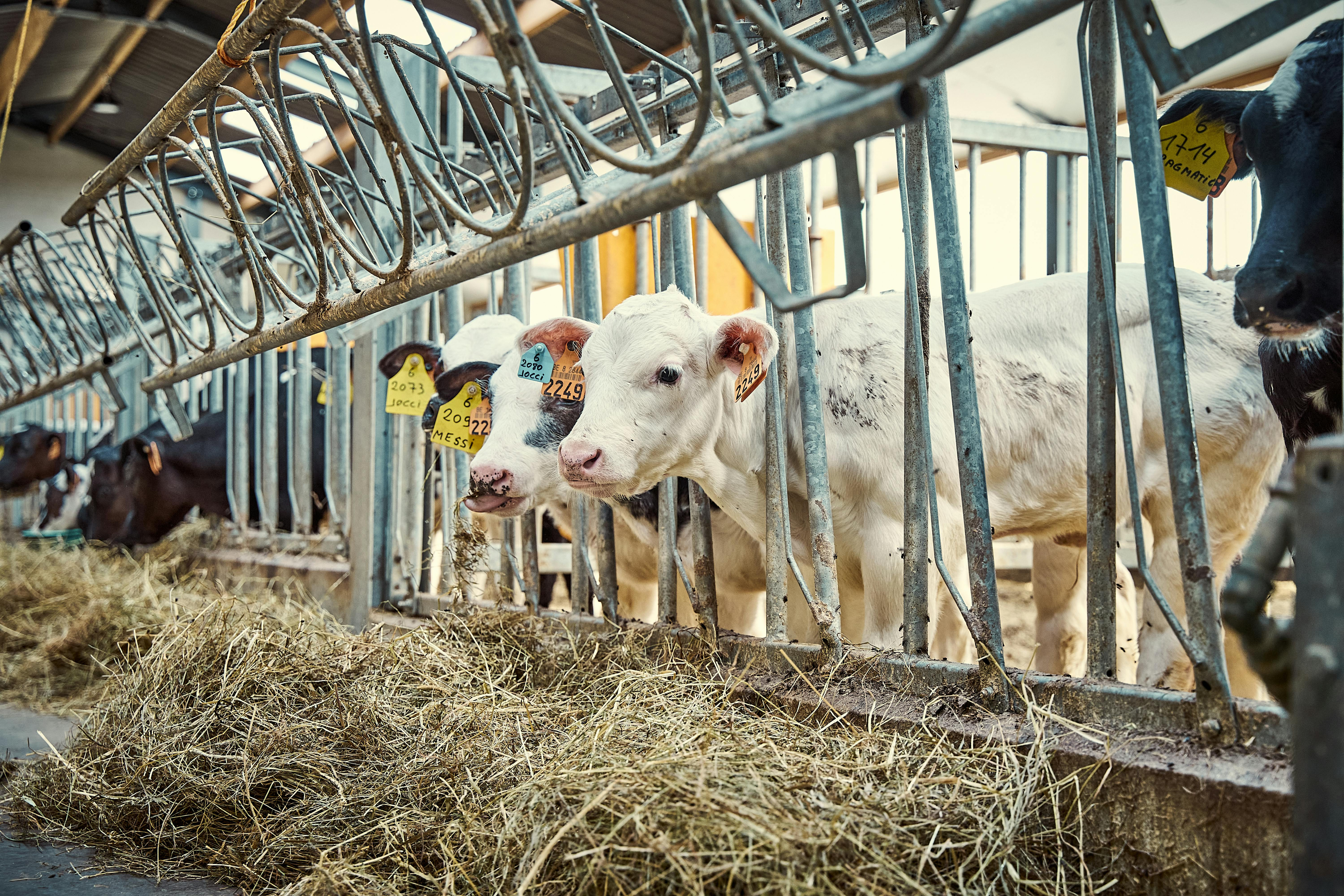
Harvesting is an effective way to keep animals in good condition, support their well-being and ensure the daily reliability of the farm. Continuous herd care helps to notice changes before they become a costly problem, and creates a strong foundation for a healthier and more homogeneous herd.
Regular herd health control is not just about solving problems, but primarily about preventing them. When the condition of the animals is systematically assessed, it is possible to quickly notice a decline in appetite, movement difficulties, poor overall condition or other early signs of danger. This approach reduces risks, helps to maintain productivity and supports the long-term welfare of animals.Why is animal control important?
Animal control provides a valuable overview of the actual situation of the whole herd. A small deviation of an individual animal may indicate a higher trend, so regular monitoring helps to make timely decisions. This means less unexpected costs, less workstations and better control of the entire production process.
- li>An early detection of problems helps to reduce health risks and the need for treatment.
- Better-managed herd care supports animal welfare and stable condition.
- Precise assessment of animal status allows rapid and reasoned decisions.
- Preventive care helps to keep the farm working smooth and reliable.
For whom herd care is suitable?
p>Care suitable for farmers who want to keep their herd healthy, reduce risks and improve day-to-day management. This is particularly important in situations where there are many animals, where the burden is high or where the objective is uniform quality and maximum productivity. The systemic approach also helps to maintain control during fast and demanding periods.What does regular condition assessment provide?
Regular animal condition assessment provides a clear overview of how the herd actually works. This allows you to notice changes early, adapt maintenance techniques and prevent problems from worsening. In addition, it helps to better plan working hours, resources and the necessary next steps.
The control of the health of the herd and consistent monitoring are not an additional obligation, but an investment that pays off through better animal condition, lower risks and a more stable result. If the goal is a strong, well-managed and reliable herd, preventive care is one of the most important steps to achieve it.
Comments (0)