


How to identify issues in your car's electronics

In today's automotive landscape, electronics play a pivotal role in the functionality and performance of vehicles. From engine management to entertainment systems, electronic components are integral to modern cars. Understanding these systems is crucial for identifying and addressing potential issues that may arise.
Common Electronic Components in Modern Cars
The ECU is the brain of your car, managing engine performance and efficiency. It processes data from various sensors to optimize fuel injection, ignition timing, and other critical functions.
Sensors collect data on various parameters such as temperature, pressure, and speed, while actuators execute commands from the ECU to adjust components like throttle and brakes.
These systems provide entertainment and information, integrating features like navigation, audio, and connectivity. They are often controlled via touchscreens and voice commands.
Modern lighting systems include LED and adaptive headlights, which enhance visibility and safety. They are controlled electronically to adjust to driving conditions.
The battery powers all electronic components, and the charging system ensures it remains charged. Issues here can affect the entire vehicle's electronics.
Signs of Electronic Issues in Cars
Dashboard warning lights are the most obvious indicators of electronic issues. They can signal problems with the engine, brakes, airbags, and more.
Strange noises or erratic behavior, such as flickering lights or unresponsive controls, can indicate electronic malfunctions.
Issues with the infotainment system, such as freezing screens or connectivity problems, can be frustrating and may require professional attention.
Frequent battery drain or difficulty starting the car can be signs of electronic issues, often related to the charging system or parasitic drains.
Diagnosing Electronic Issues
An OBD-II scanner can read diagnostic trouble codes (DTCs) from the ECU, providing insights into potential electronic issues.
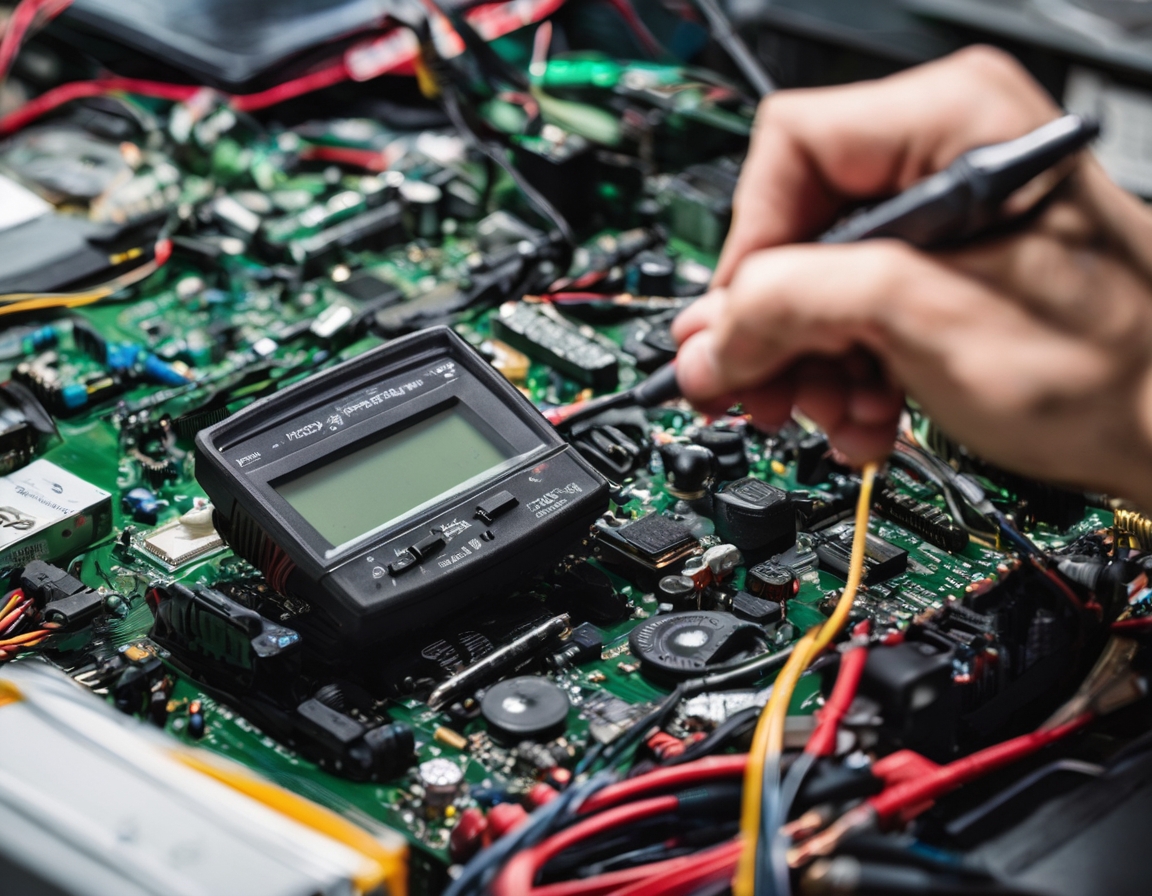
Inspecting wiring, connectors, and components for damage or corrosion can help identify electronic problems.
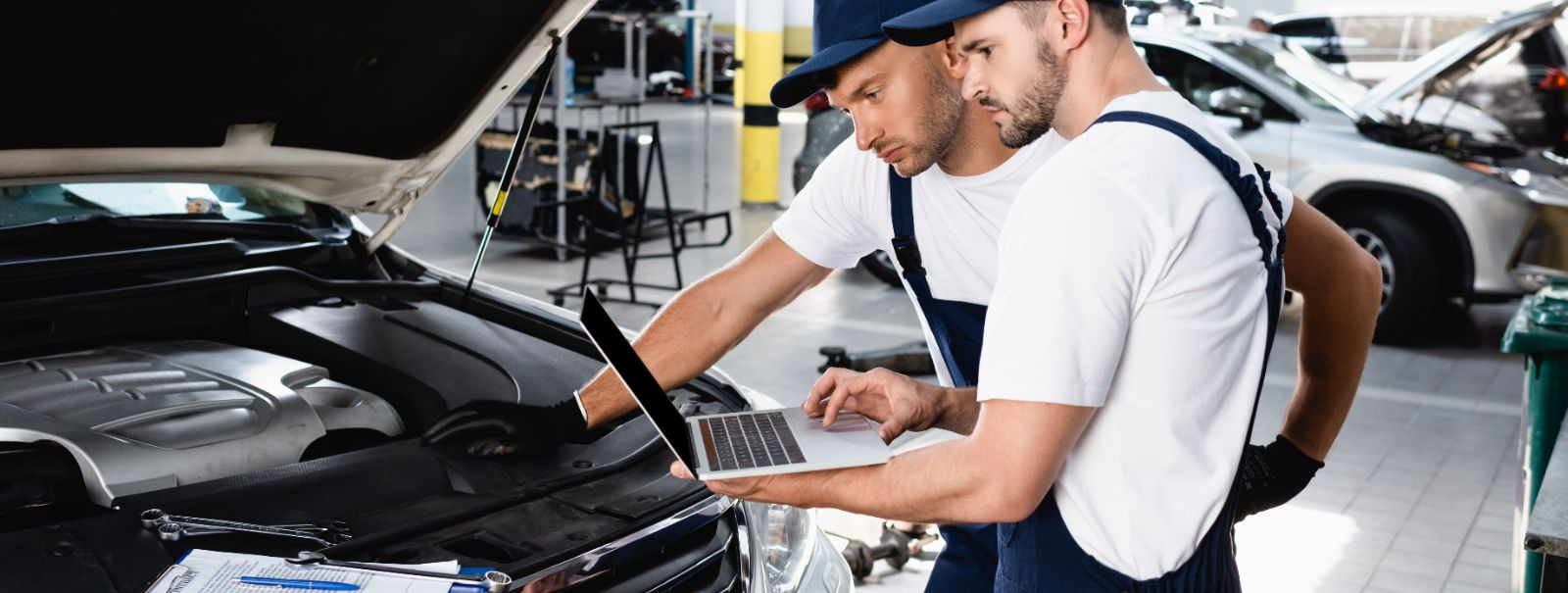
For complex issues, professional diagnostic services offer comprehensive testing and expertise to accurately identify and resolve electronic problems.
Preventive Measures and Maintenance Tips
Keeping your car's software up to date ensures optimal performance and security, reducing the risk of electronic issues.
Regular inspections by qualified technicians can catch potential problems early, preventing costly repairs.
Maintaining your battery by checking its charge and cleaning terminals can prevent many electronic issues.

Comments (0)