


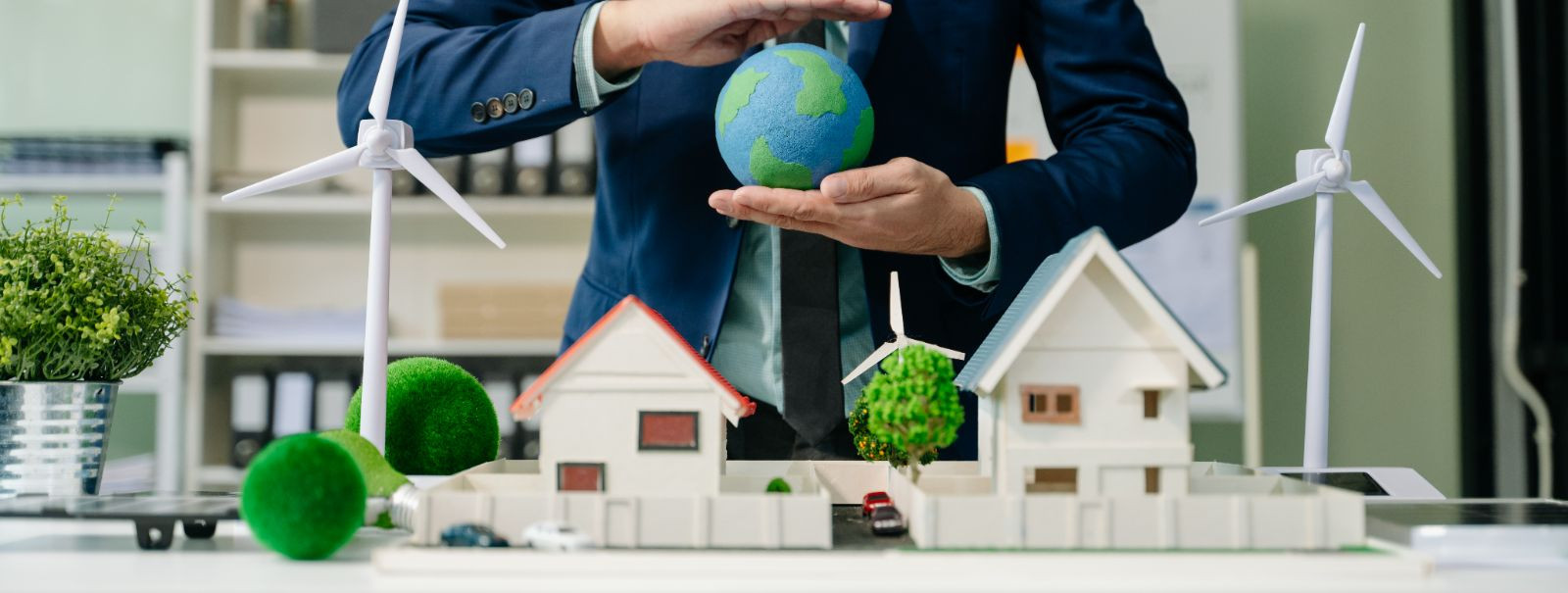
The importance of sustainable building practices

Sustainable building practices are becoming increasingly important in today's construction industry. As the world faces environmental challenges, the construction sector is under pressure to adopt methods that minimize ecological impact while maximizing efficiency and functionality. Sustainable building practices involve using resources more efficiently, reducing waste, and creating healthier environments for occupants.
Environmental Benefits of Sustainable Building
One of the primary environmental benefits of sustainable building is the reduction of the carbon footprint. By utilizing energy-efficient technologies and renewable energy sources, sustainable buildings significantly lower greenhouse gas emissions. This not only helps combat climate change but also reduces dependency on fossil fuels.
Sustainable building practices prioritize the conservation of natural resources. This includes using materials that are renewable, recycled, or have a lower environmental impact. By doing so, the construction industry can help preserve ecosystems and biodiversity, ensuring that natural resources are available for future generations.
Economic Advantages of Sustainable Building
While the initial investment in sustainable building practices may be higher, the long-term cost savings are substantial. Energy-efficient buildings reduce utility bills, and the use of durable materials decreases maintenance and repair costs. Over time, these savings can offset the initial expenses, making sustainable buildings a financially sound investment.
Sustainable buildings often have higher property values due to their energy efficiency, lower operating costs, and modern design. As more buyers and tenants seek eco-friendly properties, the demand for sustainable buildings is increasing, leading to higher resale values and rental rates.
Social Impact of Sustainable Building
Sustainable buildings are designed to provide healthier indoor environments. They often feature improved air quality, natural lighting, and non-toxic materials, which contribute to the well-being and productivity of occupants. This focus on health is particularly important in urban areas where pollution and poor air quality are common concerns.
Sustainable building practices can also have positive effects on communities. By reducing environmental impact and promoting resource efficiency, these practices contribute to the overall sustainability of urban and suburban areas. Additionally, sustainable buildings can serve as educational tools, raising awareness about environmental issues and inspiring others to adopt similar practices.
Key Sustainable Building Practices
Energy efficiency is a cornerstone of sustainable building. This involves using technologies such as solar panels, energy-efficient HVAC systems, and LED lighting to reduce energy consumption. Proper insulation and smart building designs also play a crucial role in minimizing energy use.
Water conservation is another critical aspect of sustainable building. Techniques such as rainwater harvesting, low-flow fixtures, and efficient irrigation systems help reduce water usage and promote sustainable water management.
The use of sustainable materials is essential in reducing the environmental impact of construction. This includes selecting materials that are locally sourced, recycled, or have a low environmental footprint. Sustainable materials not only reduce waste but also enhance the durability and longevity of buildings.
Effective waste reduction and management are vital components of sustainable building practices. By minimizing construction waste and implementing recycling programs, the construction industry can significantly reduce its environmental impact. This approach not only conserves resources but also reduces landfill use.
Challenges and Opportunities in Sustainable Building
While sustainable building practices offer numerous benefits, they also present challenges. These include higher upfront costs, the need for specialized knowledge and skills, and regulatory hurdles. However, these challenges also present opportunities for innovation and growth in the construction industry. By embracing sustainable practices, companies can differentiate themselves in the market and meet the growing demand for eco-friendly construction solutions.

Comments (0)