

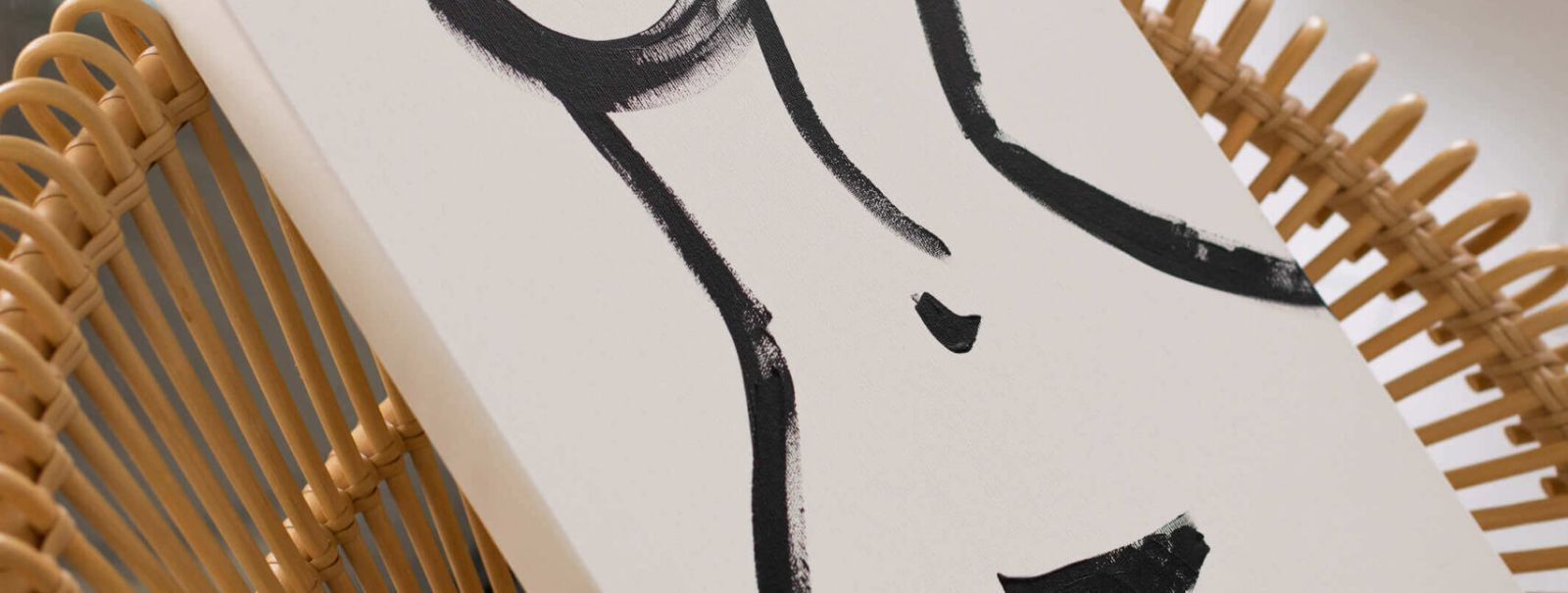
The emotional impact of abstract art

Abstract art, a genre that emerged in the early 20th century, has captivated audiences with its ability to convey complex emotions and ideas without relying on recognizable forms. Unlike traditional art, which often depicts realistic subjects, abstract art uses colors, shapes, and lines to create compositions that can evoke a wide range of emotions and interpretations. This form of art challenges viewers to engage with it on a deeper emotional level, making it a powerful medium for personal expression and connection.
The Emotional Language of Abstract Art
Color plays a pivotal role in abstract art, serving as a primary vehicle for emotional expression. Different colors can evoke different feelings; for example, warm colors like red and orange can convey passion and energy, while cool colors like blue and green can evoke calmness and tranquility. Abstract artists often use color to create mood and atmosphere, allowing viewers to experience a visceral emotional response.
In addition to color, the forms and shapes used in abstract art contribute significantly to its emotional impact. Curved lines and organic shapes can suggest softness and fluidity, while sharp angles and geometric forms might evoke tension or conflict. The interplay of these elements invites viewers to explore their own emotional reactions, making abstract art a deeply personal experience.
The Psychological Effects of Abstract Art
Abstract art has the unique ability to stimulate creativity and imagination. By presenting non-representational forms, it encourages viewers to interpret and find meaning in the artwork, often leading to new insights and ideas. This open-ended nature of abstract art makes it a valuable tool for fostering creative thinking and problem-solving skills.
Abstract art often serves as a mirror, reflecting the viewer's own emotions and experiences. The ambiguity of abstract compositions allows individuals to project their thoughts and feelings onto the artwork, facilitating personal reflection and introspection. This process can be therapeutic, helping individuals to process emotions and gain a deeper understanding of themselves.
Abstract Art in Contemporary Living Spaces
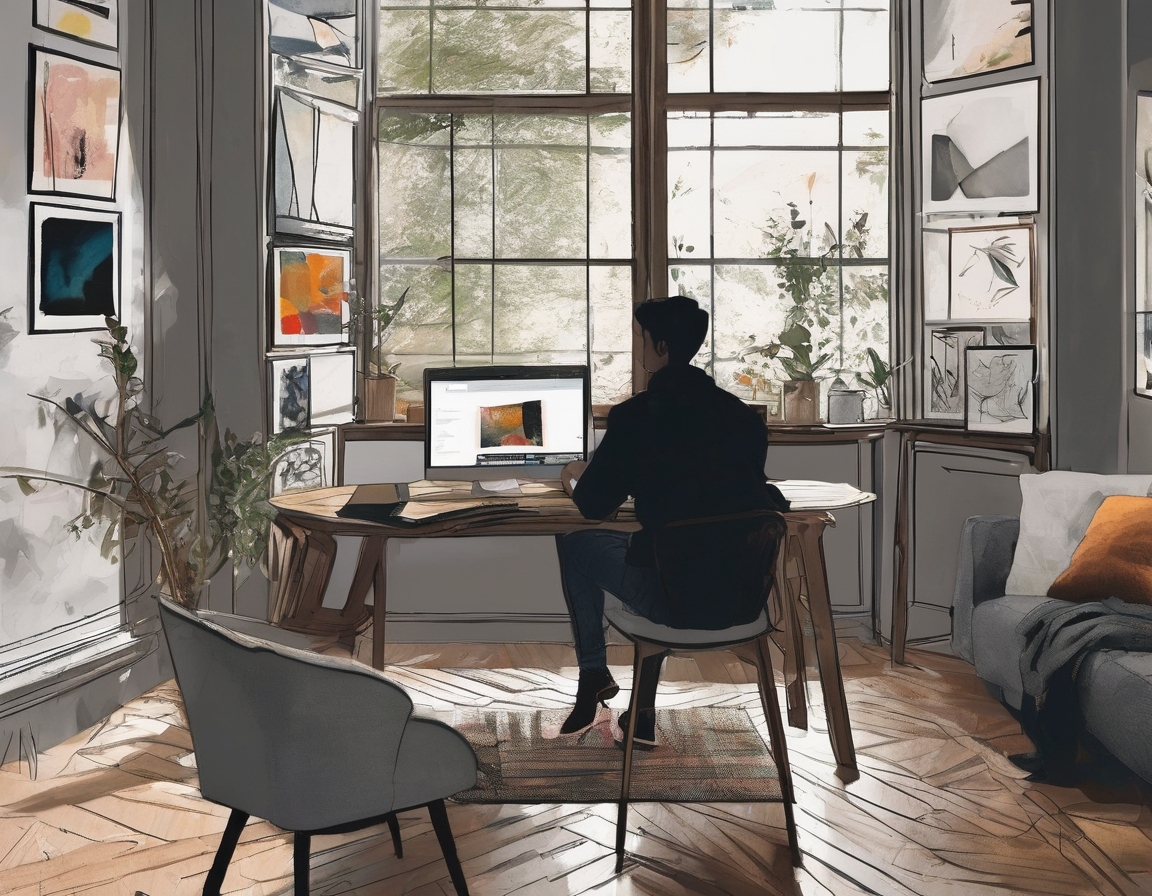
Incorporating abstract art into living spaces can significantly enhance the emotional ambiance of a home. The dynamic and expressive nature of abstract pieces can transform a room, creating an environment that resonates with the inhabitants' emotional states and preferences. Whether it's a bold, vibrant painting that energizes a space or a subtle, minimalist piece that promotes relaxation, abstract art can tailor the emotional tone of any setting.
For many art enthusiasts, abstract art is a means of personal expression and identity. Choosing abstract pieces that resonate with one's personal style and values allows individuals to curate a living space that reflects their unique personality. This personal connection to art not only enhances the aesthetic appeal of a home but also fosters a sense of belonging and self-expression.
The Role of Abstract Art in Cultural Diversity
Abstract art transcends cultural boundaries, offering a universal language that can bridge gaps between different cultures. Its non-representational nature allows it to be appreciated and interpreted by people from diverse backgrounds, fostering cross-cultural understanding and appreciation. Abstract art celebrates the diversity of human experience, making it a powerful tool for promoting cultural inclusivity.
Abstract art often draws inspiration from a variety of cultural influences, incorporating elements from different traditions and styles. This fusion of cultural elements not only enriches the art itself but also celebrates the diversity of human creativity. By embracing abstract art, individuals can engage with a wide range of cultural perspectives, broadening their understanding and appreciation of the world around them.

Comments (0)