



Hand plastering - accurate, natural and restoration finishing for historical and special order projects

Hand plastering: accurately finishing that speaks of history
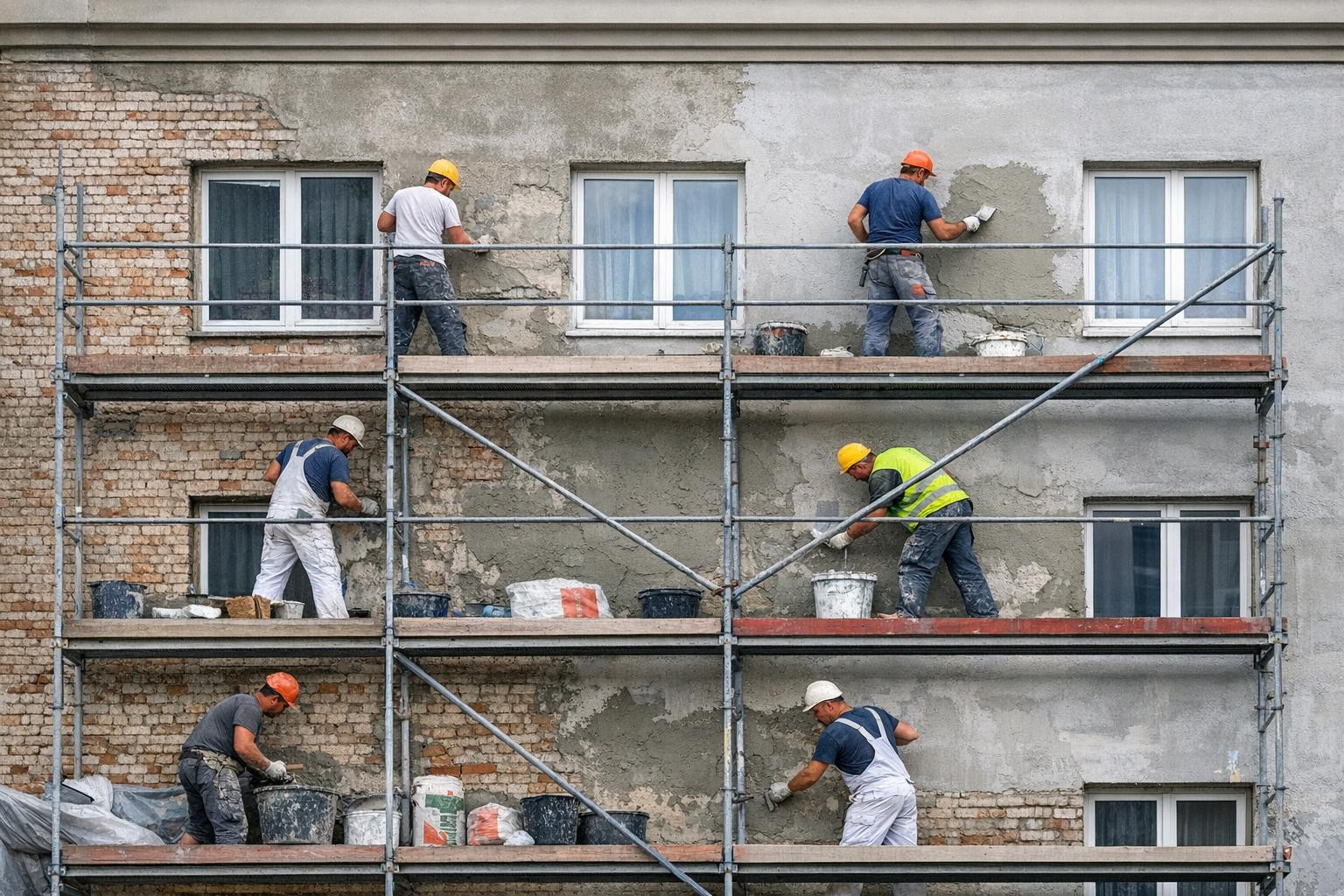
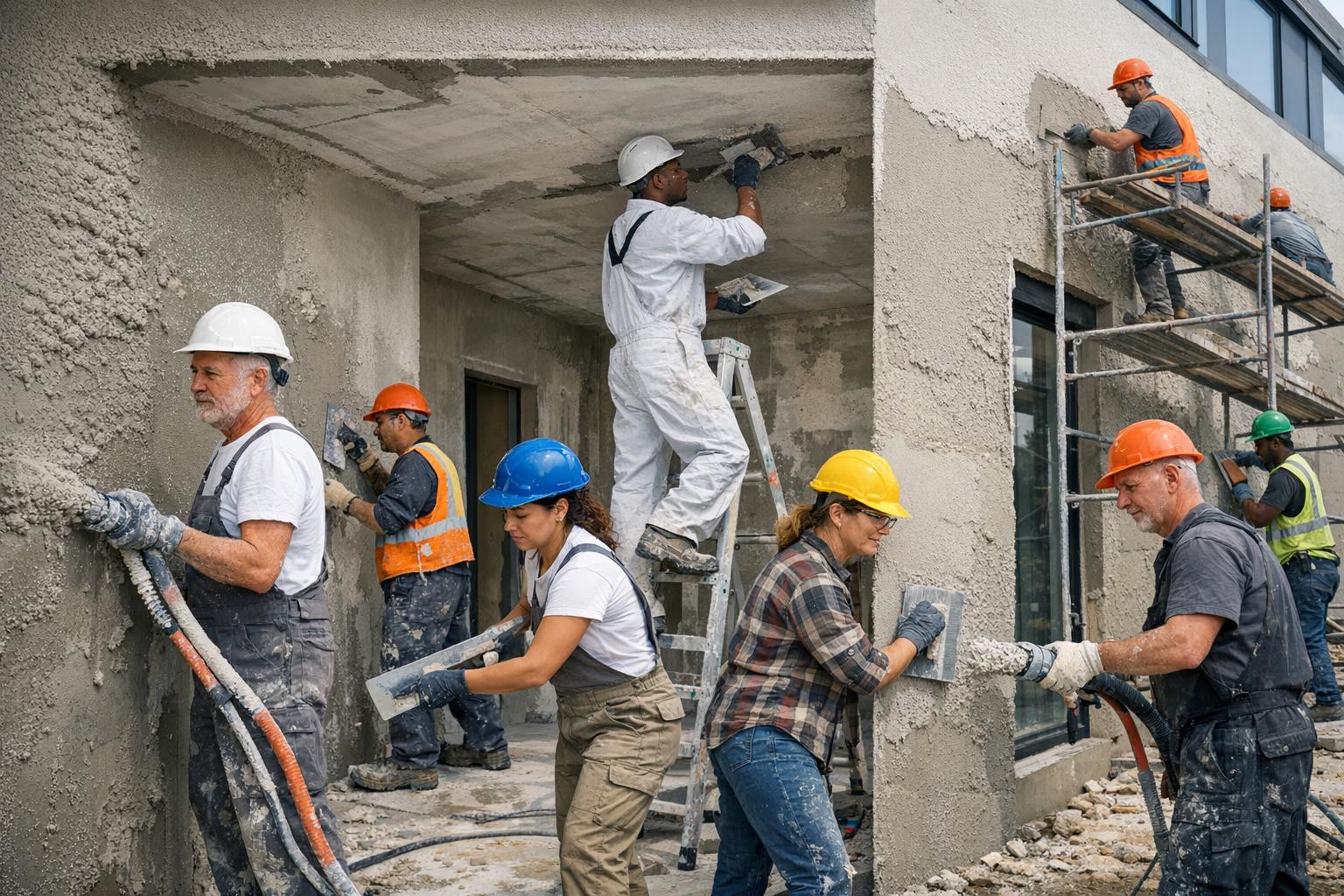
<Hand plastering offers natural and detailed finishing that is not limited to beautiful surfaces - it restores the sensation of actual material and is especially suitable for historical buildings, restoration projects and special interior designs. Traditional methods and natural mixing tools, including gip plaster i and lime plaster i, are used in the work to achieve both aesthetic and technically correct result.
Why choose hand plastering?
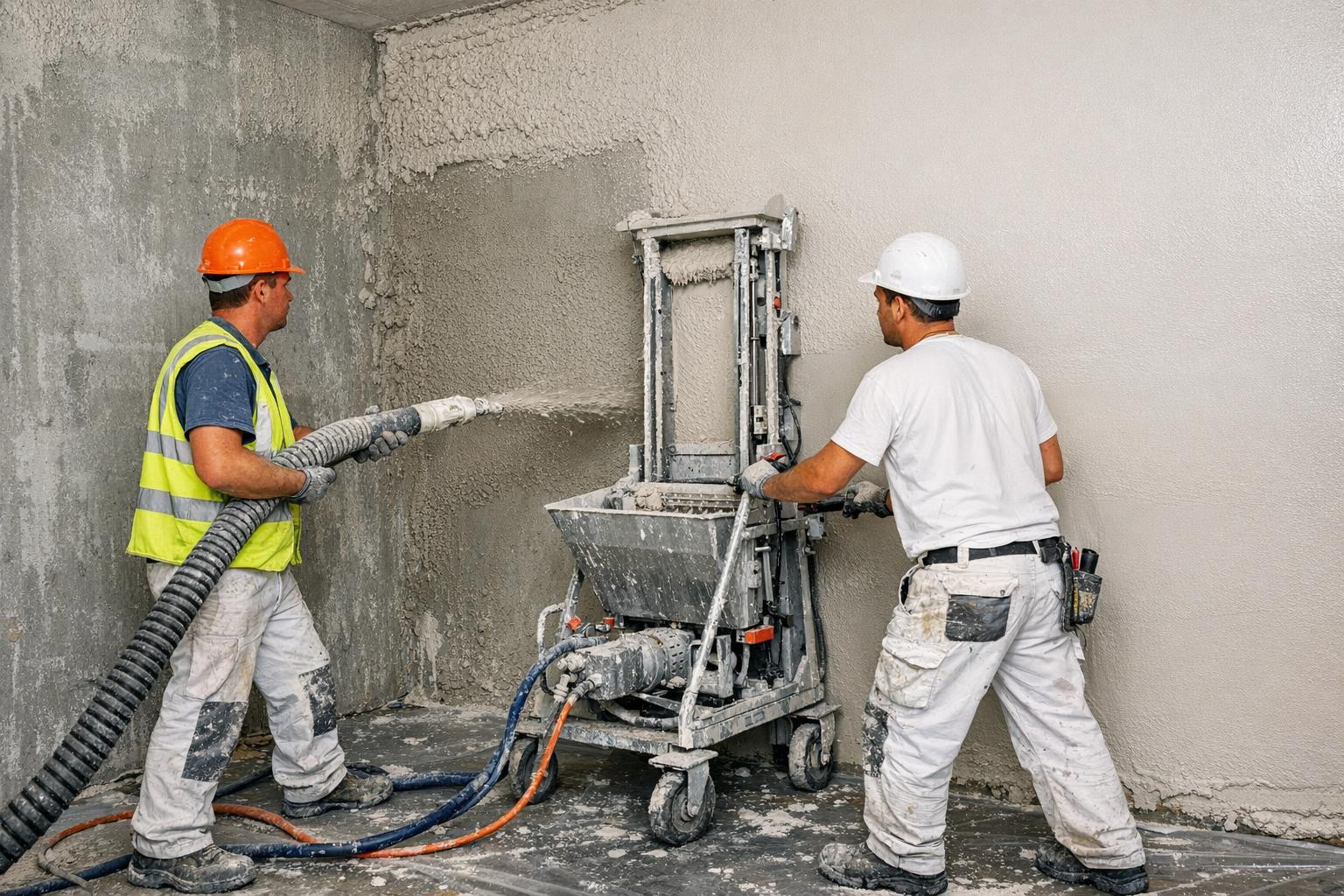
The handyman approach ensures a longer term, the best fit for the existing surface and a unique texture that machine-based work cannot copy. Hand plastering is particularly suitable for those who value high quality, authentic appearance and durable renovation solutions.
- Precision and detail: craftsmen are able to work with complex forms and subtleties.
- Natural materials: plaster and lime plaster offer breathing and healthy indoor air and are suitable for historical materials.
- Persistence: correctly uses the plaster ensures long-term protection and aesthetics.
- Flexibility: color tones, texture and thickness adjustment according to requirements.
Gypsk plaster and lime plaster It is suitable for modern interiors and interior repairs, where the unity of finishing and simple painting are important. Lubricant is a choice, especially for historical objects, humid spaces and breathing structures - lime is anti-septic, flexible and suitable for old brick, stone and wood walls. Repairing and renovation
Repairing and renovation of lubricant includes accurate assessment of damage, selection of suitable mixtures and correct technology for restoration. The aim is to maintain the integrity of the construction, in accordance with the historical detail, and to ensure long-term performance. Renovation works shall be carried out in such a way that the new plaster is physically and chemically compatible with the existing plaster.
Working process and quality control
- Further assessment: surface and injury analysis, investigation of old plaster layers.
- Material choice: correct mix selection - plaster plaster or lime plaster, as appropriate.
- Preparation: cleaning, removal of deflection and provision of suitable base layers.
- Hands: multi-layer layers, finishing details and texture creation.< In particular, an approach is appropriate for those who need a unique surface that cannot be achieved by industrial methods.
Main differences
- Handicraft skills: masterful finishing and detail sensation.
- Adapted solutions: blend, thickness and texture according to the needs of the object.
- Material suitability: gypsum and lime plaster ensure proper breathing and durability.
- Experience of restoration: historical constructions and conservative approach.
Selective step towards the following project step Long-term good finishing begins with accurate evaluation and professional execution - an investment that preserves value and beauty for decades.
Comments (0)