


Maintenance of the heritage: restoration of windows and wooden doors with lime plaster and restoration training for the protection of historical facades

The care of the estate combines long-term craftsmanship and modern technical advice to restore and protect historical building fabric both inside and outside. The services focus on the maintenance of acne restoration , wood bundles e, the use of traditional clay plaster and clay plaster, and practical restoration training e to ensure compliance with and continued preservation of heritage conservation requirements.
What service includes
Selective approach combines crafts, historical material knowledge and project-based advice. The main purpose is to maintain the original facade and window romance and to restore functionality without changing the historical appearance.
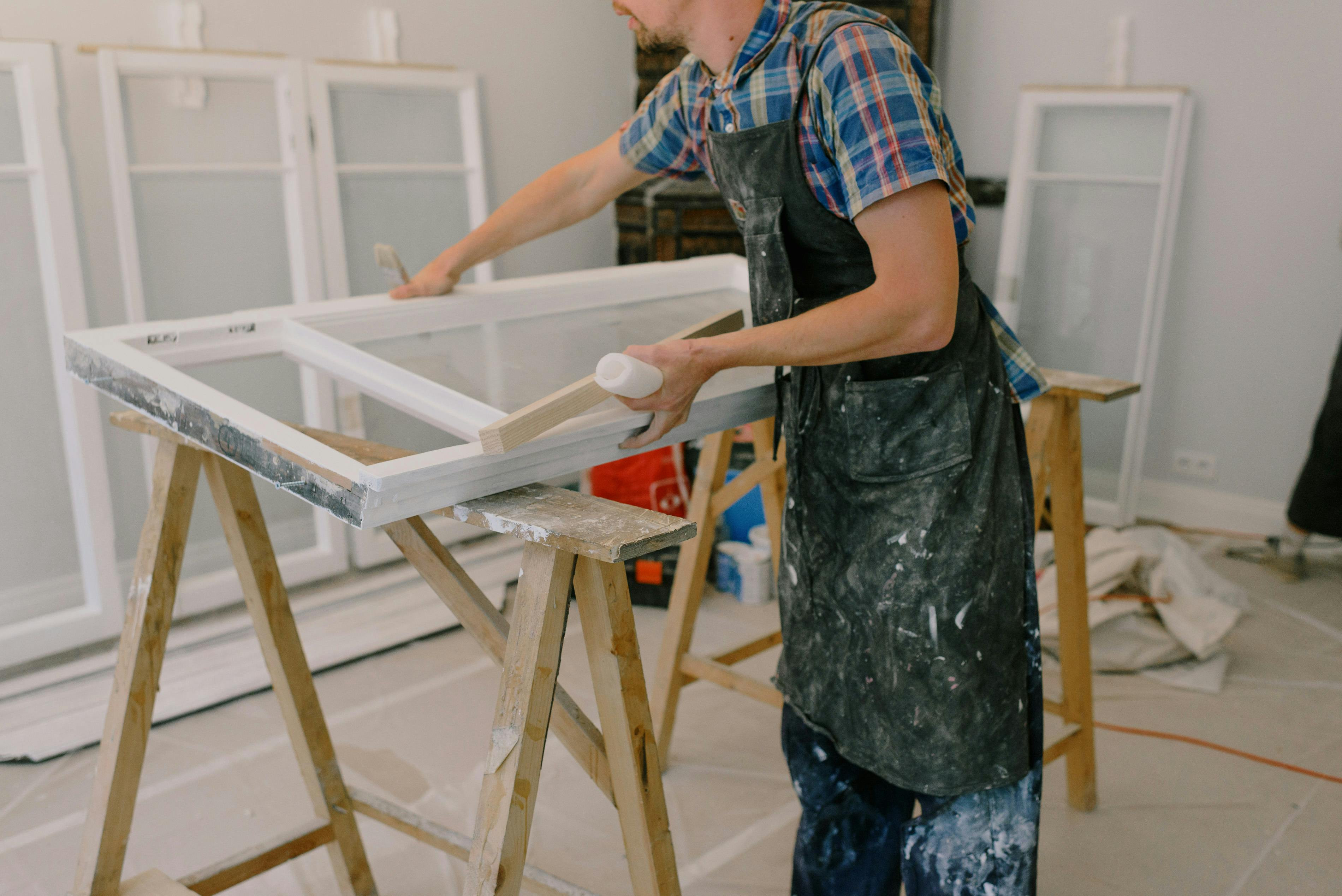
- Restoration : restoration or replacement of glass, frames and hardware by authentic methods.
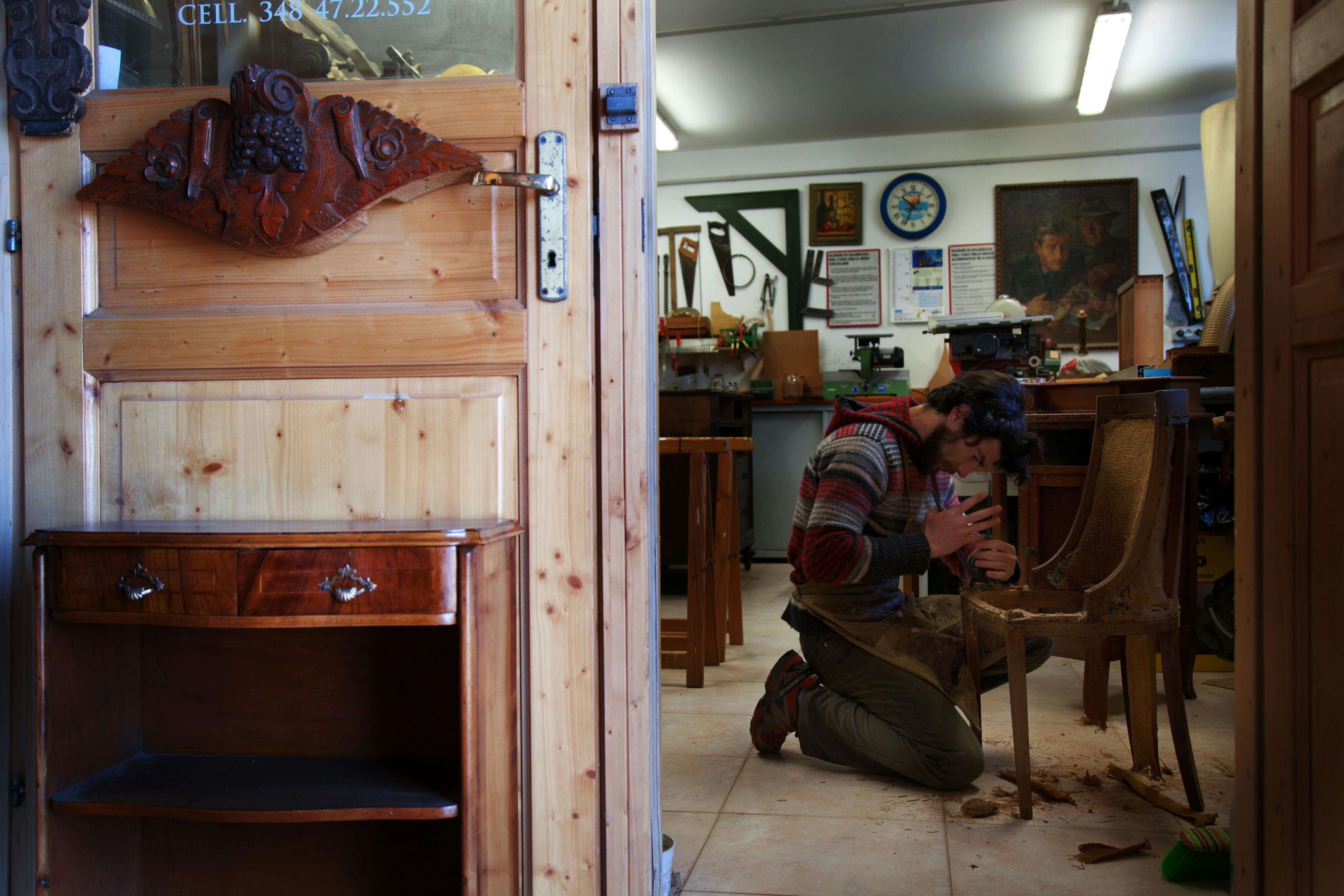
- Wooden doors: repair of cracks, glueing and compaction works, surface work and bioprojection to preserve the original appearance.
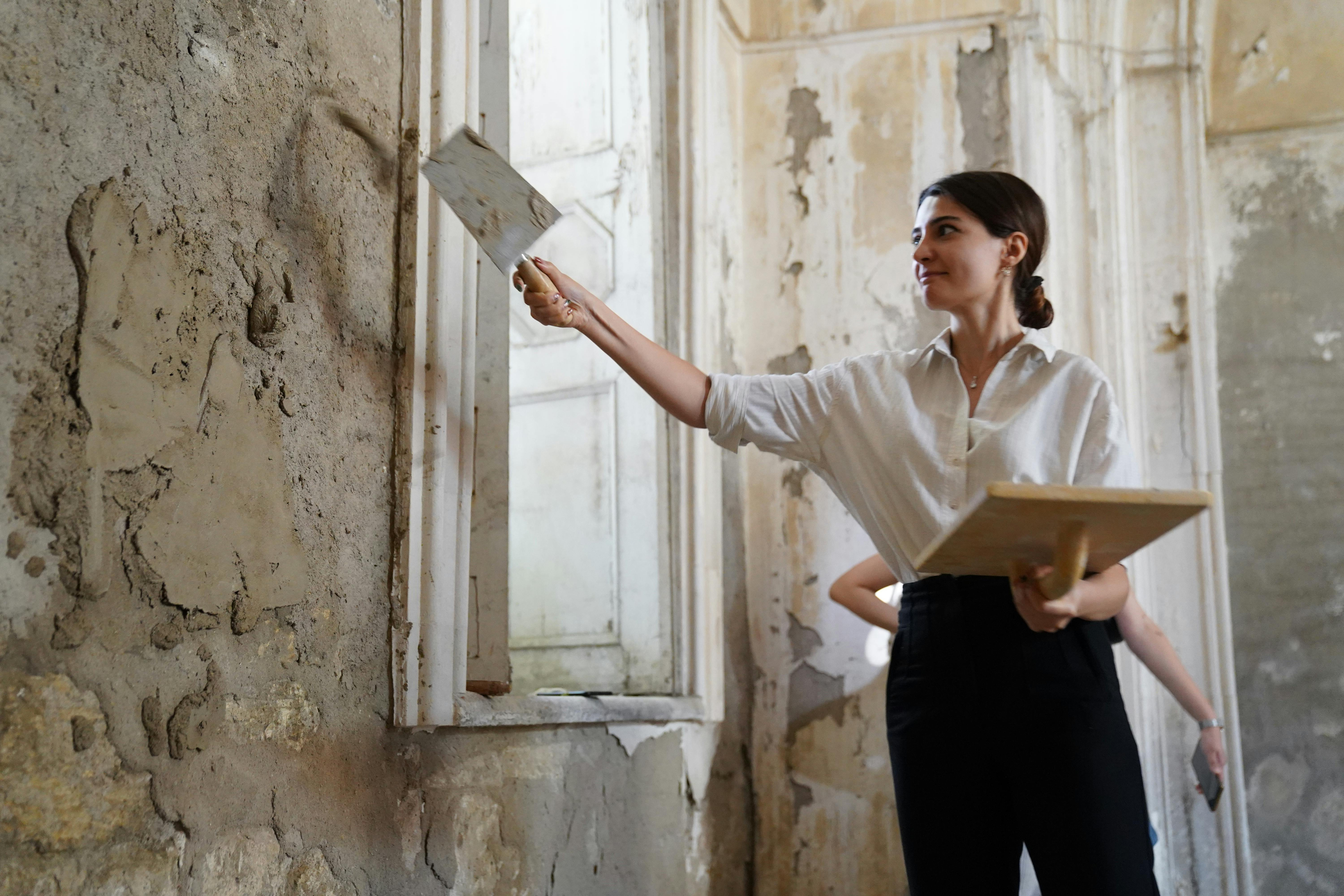
- Lubic graft and graft: breathing, long-term graft systems for restoration and ventilation of historical facades. <Restaurating training : practical workshops and professional training for architects, restoration workers and owners.< Suitable for both single restoration and regular maintenance of historical objects.
- Preliminary assessment and documentation, including damage detection and heritage protection requirements.
- l>Restaurating methods and materials /h3>
In the work of the owners: hand-packing, traditional glues, breathing lime plaster and clay-based mixtures, and classic preservation techniques that are compatible with the historical facade nature.
Li>Front care and practical rehabilitation training for the care of the building or the apartment cooperative. h3>Restaurating methods and materials < The wood is treated in such a way that the wooden doors retain their beauty and functionality for decades.
Why is this important
> Historical façade not only looks – it is a combination of materials, structures and cultural heritage. The right approach will improve energy efficiency, reduce further repair costs and maintain value. Traditional lime plaster and clay plaster ensure the breathing of the building and help avoid moisture and heat problems that are often exacerbated by modern materials.
How the process works
Restoration training
The training is practical and targeted: the participants learn the principles of restoration of windows, correct plastering with lime and clay mixes, and maintenance programs that prolong the lifespan of repairs. Training will help to ensure that future maintenance is carried out in the right way and in accordance with the requirements of the protection of the heritage.
What cooperation
The result is reliable, documented and in accordance with the standards of the protection of the heritage: the historical façade will recover in its original character, the windows and wooden doors will become re-usable and the new gravel layers will give breathing capacity and aesthetic integrity. Project-based technical advice ensures that the solutions chosen are sustainable and economically sound.
<Call for an initial assessment or training and take a step towards heritage conservation: a clear recovery plan, traditional materials and practical skills provide a basis for the long-term integrity of the building.
Comments (0)