

Practical restoration training - hand-to-hand master classes for raising craftsmanship skills

Practical restoration training - hand-to-hand master classes for raising craftsmanship skills
Restaurant training focuses on practical, hand-to-hand learning methods using traditional materials and historical techniques. Practical industrial techniques that allow the preservation of valuable objects, the improvement of home care or the expansion of the professional service range will be studied. Courses are suitable for homeowners as well as experienced repairers, furniture makers and conservators.
Who actually benefits from this?
The curriculum has been developed to increase practical handicraft skills and self-confidence at every level: beginners who want to do safe repairs at home, up to professionals who want to upgrade techniques or learn traditional methods. Courses are especially valuable for those who want to work with original materials, understand historical structures and use sustainable restoration solutions.
What to expect - approach and content
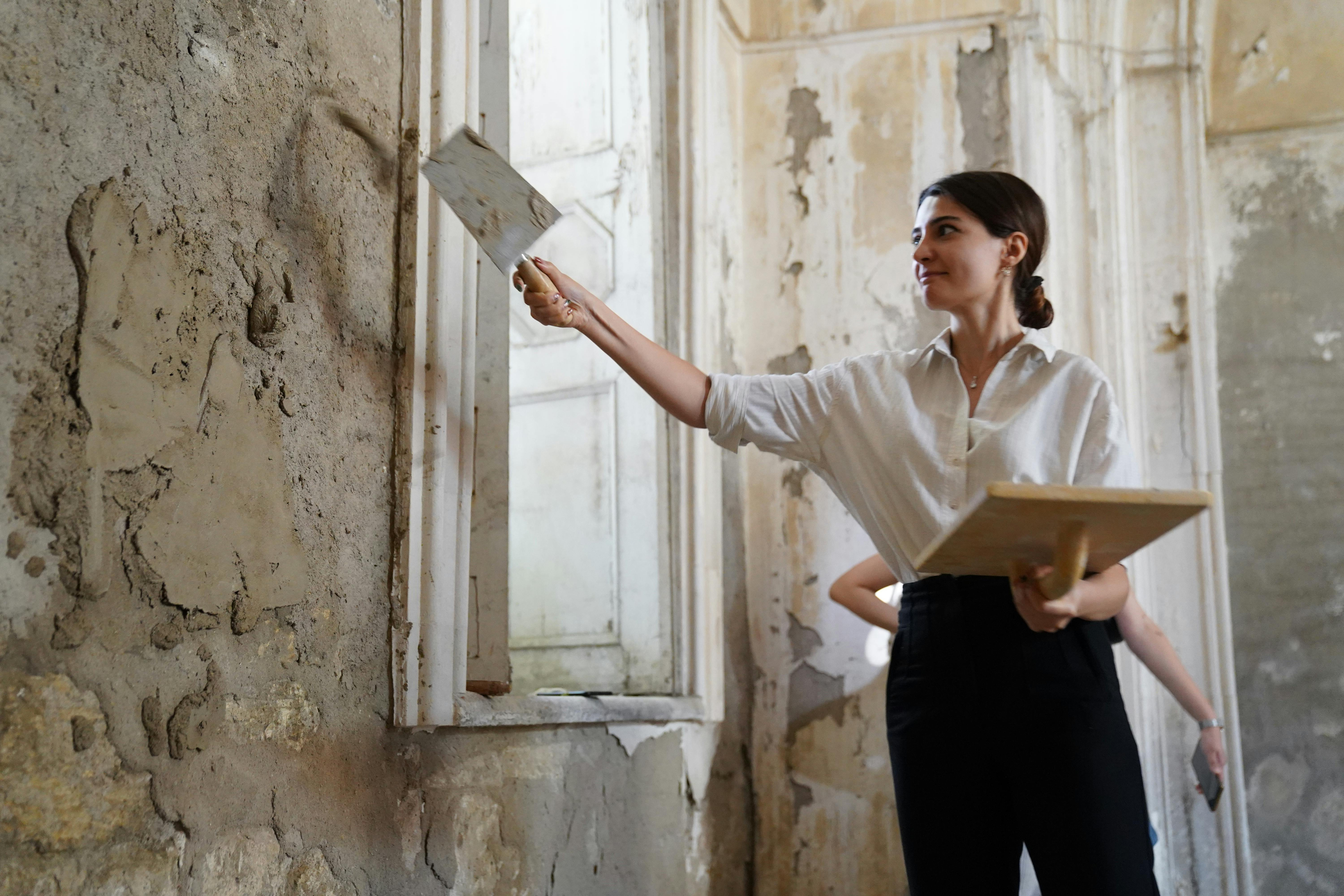
Each module is built on the principle of practical learning: hands-side exercises, instruction on small group work and restoration of real objects. The core of the programme consists of:
bottom master classes (master classes) in traditional techniques; material science and the choice of appropriate recovery methods; work tools and instruments safe and effective use;live> internship in real work environment or studio;live master feedback and future developmental wishes.</live </livelive master functions and advantages
live live strong>master courses are customizable to practitioners from the primary level:live surg>master students can immediately apply the study, which The distinctive sign is the restoration of real objects in the course of study, not only demonstrations - that is, participants leave the course with tangible results and confirmed crafts skills . How learning adds value
- Maintenance of values: learned techniques prevent further damage and prolong the lifespan of objects.
li>Cost-effectiveness: self-contained minor re-working re-working reduces long-term care costs. - >Career opportunities: skills increase competitiveness in the field of restoration and crafts.
Practical info Courses take place on a seasonal basis and are available in different levels and duration - from day-to-day master classes to continuing training It is enough to participate with interest and readiness to apply the skills learned immediately; equipment and materials may be accompanied or arranged by a trainer according to the module. After graduation, the certificate and the recommended material guide will be given for further internships.
<Come invest in your skills - a practical approach ensures fast learning, greater confidence in restoration work and the possibility to provide high-quality services or care for valuable items at home. Register for the master class and find out how traditional techniques combined with modern knowledge can make restoration easier and more sustainable.

Comments (0)