


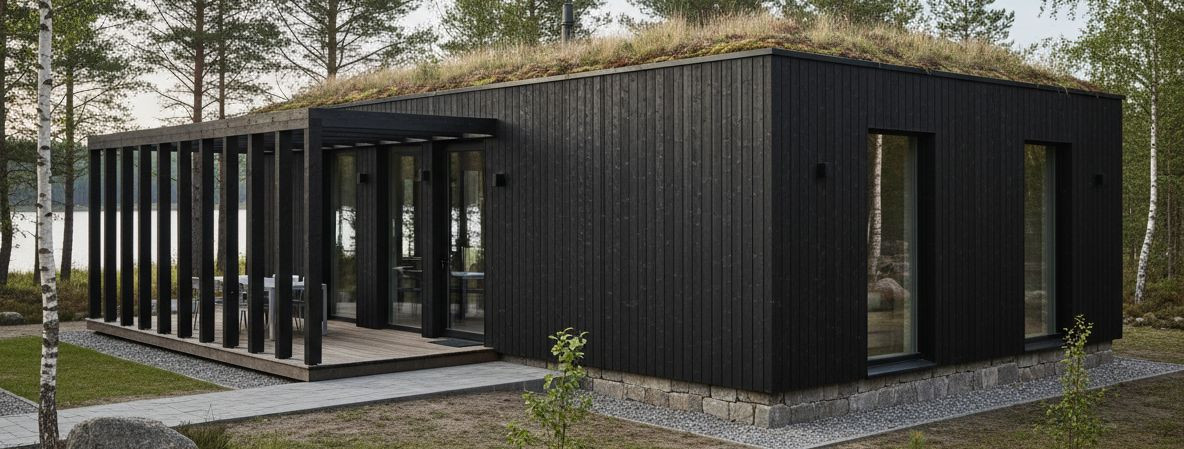
How to design your dream home: tips from the experts

Designing your dream home is an exciting journey that allows you to create a space that reflects your personal values, lifestyle, and aspirations. For Estonian families and individuals who prioritize sustainability and affordability, this process involves careful planning and collaboration with experts to ensure that every aspect of the home aligns with their vision.
Understanding Your Needs and Lifestyle
Before embarking on the design process, it's crucial to evaluate your current living situation. Consider what works well in your current home and what doesn't. Identify the features you love and the areas that need improvement. This assessment will help you determine what you want to carry forward into your new home design.
Think about your future needs and how they might evolve over time. Consider factors such as family growth, aging in place, or the need for a home office. By anticipating these changes, you can design a home that accommodates your lifestyle both now and in the future.
Embracing Sustainability and Eco-Friendly Solutions
Incorporating energy-efficient design principles is essential for creating a sustainable home. Focus on maximizing natural light, optimizing insulation, and selecting energy-efficient appliances. These elements not only reduce your carbon footprint but also lower utility costs.
Choose sustainable materials and resources that minimize environmental impact. Consider using recycled or locally sourced materials, and opt for finishes that are non-toxic and environmentally friendly. These choices contribute to a healthier living environment and support sustainable practices.
Budgeting and Financial Planning
Establishing a realistic budget is a critical step in the home design process. Determine how much you can afford to spend and prioritize your needs and wants accordingly. A well-defined budget helps guide your decisions and ensures that you stay on track financially.
Explore various financing options to support your home-building project. Consider traditional mortgages, green loans, or government incentives for sustainable building. Understanding your financing options allows you to make informed decisions that align with your financial goals.
Collaborating with Professionals
Selecting the right architect and designer is crucial for bringing your vision to life. Look for professionals who share your values and have experience in sustainable design. Their expertise will guide you through the design process and ensure that your home meets your expectations.
Collaborate with builders and contractors who are committed to quality craftsmanship and sustainable practices. Clear communication and a shared vision are key to a successful partnership. Regularly review progress and address any concerns promptly to keep the project on track.
Designing for Functionality and Aesthetics
Effective space planning and layout are essential for creating a functional home. Consider how each room will be used and ensure that the layout supports your lifestyle. Open floor plans, flexible spaces, and efficient storage solutions can enhance both functionality and aesthetics.
Your home's interior design should reflect your personal style and preferences. Choose colors, textures, and furnishings that resonate with you and create a cohesive look throughout the home. Personal touches and thoughtful details make your home uniquely yours.
Incorporating Smart Home Technology
Smart home technology offers numerous benefits, including increased convenience, energy efficiency, and security. Consider integrating features such as automated lighting, smart thermostats, and security systems to enhance your home's functionality and comfort.
Plan for technology integration early in the design process to ensure seamless implementation. Work with professionals to select the right systems and ensure that your home's infrastructure supports future technological advancements.
Navigating the Construction Process
Familiarize yourself with the construction timeline and key milestones. Understanding the phases of construction helps you manage expectations and stay informed about progress. Regular updates and open communication with your team are essential for a smooth process.
Be prepared to manage challenges and changes that may arise during construction. Flexibility and problem-solving skills are crucial for addressing unexpected issues. Work closely with your team to find solutions that align with your vision and budget.




Comments (0)