


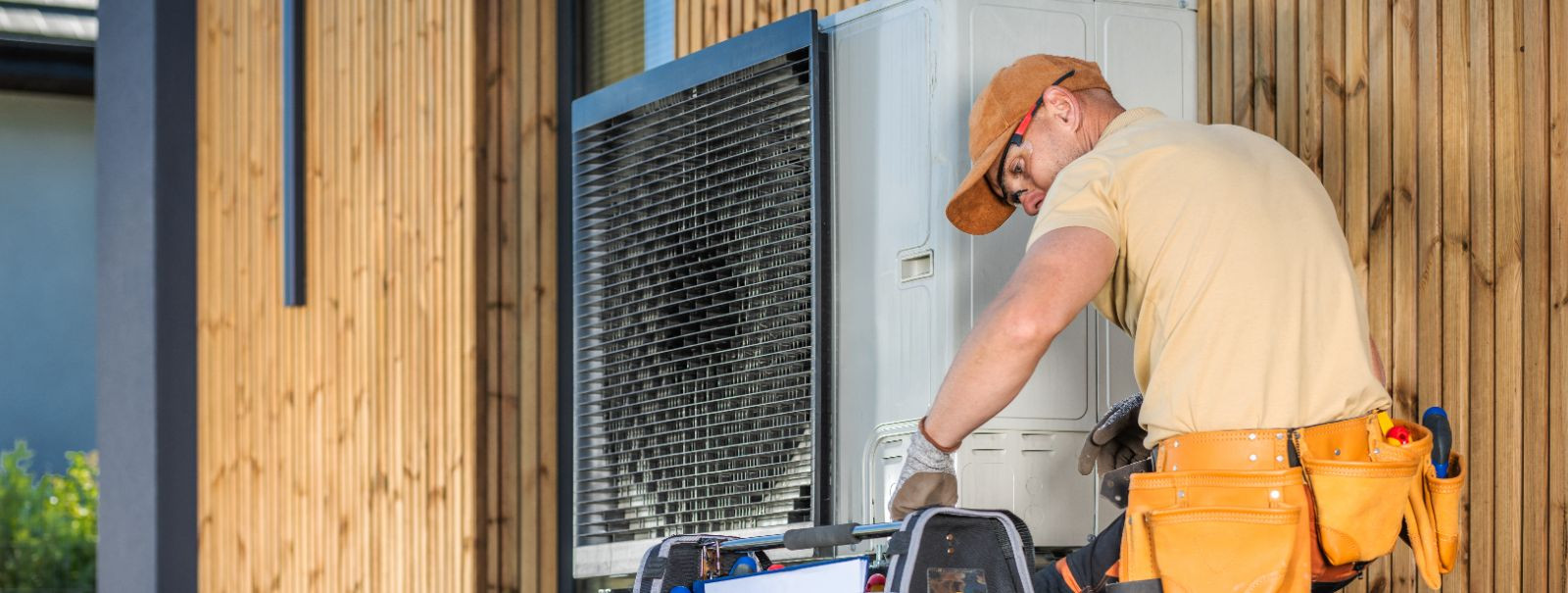
How to maintain your heating system for longevity

Maintaining your heating system is crucial for ensuring its longevity and efficiency. A well-maintained system not only provides comfort during the cold months but also helps in reducing energy costs and minimizing environmental impact. In this guide, we will explore various aspects of heating system maintenance to help you keep your system running smoothly for years to come.
Understanding Your Heating System
Heating systems come in various forms, including furnaces, boilers, heat pumps, and radiant heating systems. Each type has its unique features and maintenance requirements. Understanding the type of system you have is the first step in effective maintenance.
Regardless of the type, most heating systems consist of key components such as the heat source, distribution system, and control system. Familiarizing yourself with these components can help you identify potential issues and perform basic maintenance tasks.
Regular Maintenance Practices
Regular professional inspections are essential for maintaining your heating system. A qualified technician can identify and address issues before they become major problems, ensuring your system operates efficiently and safely.
While professional inspections are important, there are several maintenance tasks you can perform yourself. These include regularly changing filters, cleaning vents and ducts, and checking for leaks or unusual noises. These simple tasks can significantly extend the life of your heating system.
Seasonal Maintenance Tips
Before the cold season sets in, it's important to ensure your heating system is ready to handle increased demand. This includes checking the thermostat, inspecting the heat exchanger, and ensuring all components are clean and in good working order.
During the warmer months, your heating system may not be in use, but that doesn't mean it should be neglected. Off-season care includes covering outdoor units, checking for rust or corrosion, and performing a thorough cleaning to prevent dust buildup.
Energy Efficiency and Cost Savings
Energy efficiency is not only beneficial for the environment but also for your wallet. A well-maintained heating system operates more efficiently, reducing energy consumption and lowering utility bills.
Improving your heating system's efficiency can be achieved through regular maintenance, upgrading to a programmable thermostat, and ensuring your home is well-insulated. These measures can lead to significant cost savings over time.
Common Issues and Troubleshooting
Common heating system issues include uneven heating, strange noises, and frequent cycling. Identifying these problems early can prevent more serious damage and costly repairs.
While some maintenance tasks can be done yourself, certain issues require professional attention. If you notice persistent problems or if your system is not functioning as it should, it's time to call in the experts to ensure your system is repaired correctly and safely.
Comments (0)