


Understanding radiant floor heating: is it right for you?

Radiant floor heating is an innovative and efficient method of warming your home or business. Unlike traditional heating systems that rely on air circulation, radiant floor heating provides warmth directly through the floor, creating a comfortable and consistent temperature throughout the space. This system is gaining popularity among environmentally conscious homeowners and businesses in Estonia who are seeking sustainable and cost-effective heating solutions.
How Radiant Floor Heating Works
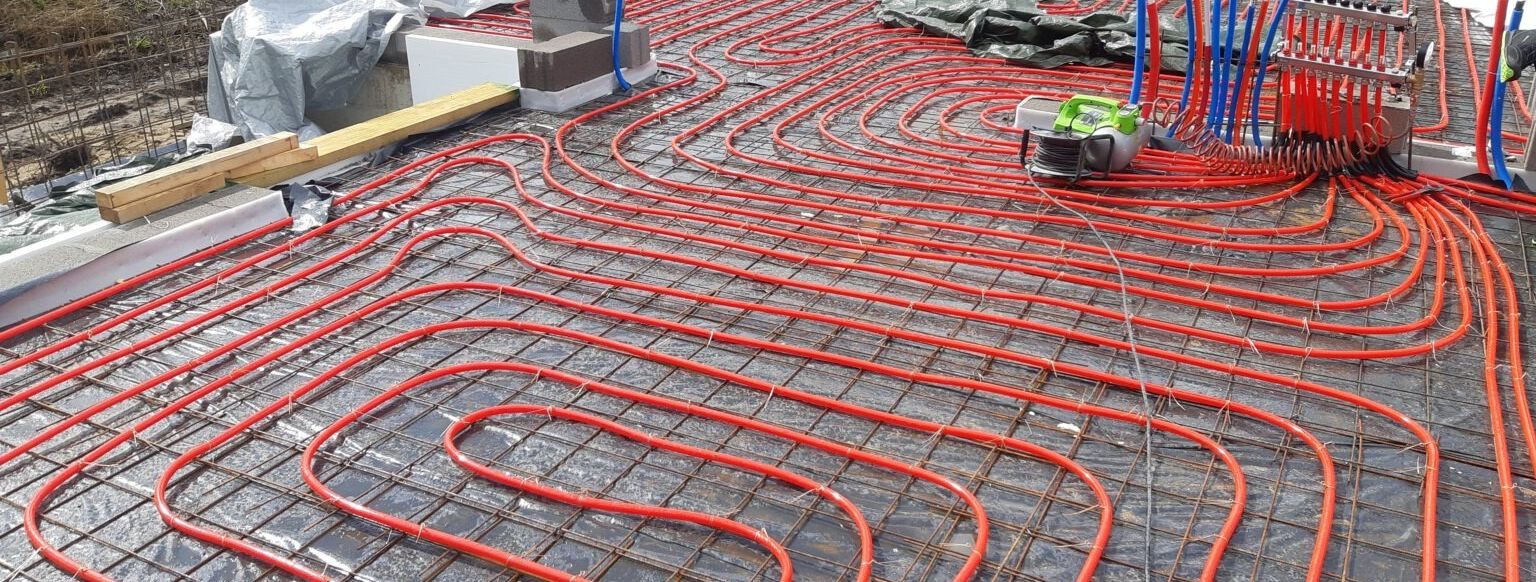
Radiant floor heating systems work by circulating warm water or electricity through a network of pipes or wires installed beneath the floor surface. This heat is then radiated upwards, warming the floor and the surrounding area. The result is a uniform heat distribution that eliminates cold spots and drafts.
Electric radiant floor heating systems use electric cables or mats installed beneath the floor. These systems are typically easier to install and are ideal for smaller areas or retrofit projects. They offer precise temperature control and can be used with various flooring types.
Hydronic systems circulate heated water through a network of tubing embedded in the floor. These systems are more complex and are best suited for new construction or major renovations. Hydronic systems are highly efficient and can be powered by various energy sources, including solar, geothermal, or traditional boilers.
Benefits of Radiant Floor Heating
Radiant floor heating is known for its energy efficiency. By directly heating the floor and surrounding objects, it reduces the need for high air temperatures, leading to lower energy consumption and reduced utility bills. This makes it an attractive option for those looking to minimize their environmental footprint.
One of the most significant advantages of radiant floor heating is the comfort it provides. The even distribution of heat eliminates cold spots and drafts, creating a cozy environment. Additionally, since the system is installed beneath the floor, it does not interfere with the aesthetics of your space, allowing for more design flexibility.
Radiant floor heating systems do not rely on air circulation, which means they do not distribute dust, allergens, or other airborne particles. This can lead to improved indoor air quality and is particularly beneficial for individuals with allergies or respiratory issues. Furthermore, the absence of exposed heating elements reduces the risk of burns or accidents.
Considerations Before Installation
While radiant floor heating systems can offer long-term savings, the initial installation cost can be higher than traditional heating systems. It's essential to consider your budget and evaluate the potential return on investment over time.
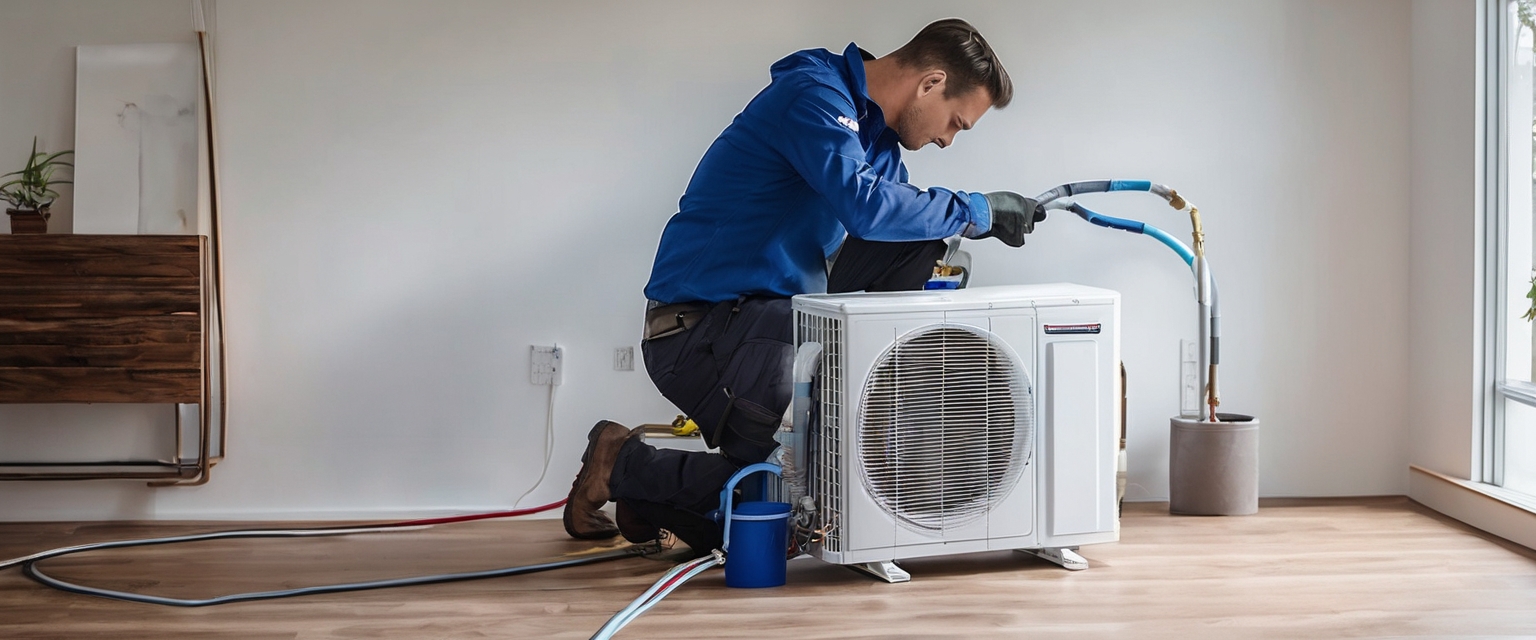
Installing radiant floor heating requires careful planning and expertise. Factors such as floor type, insulation, and existing infrastructure must be considered. It's crucial to work with experienced professionals to ensure a successful installation.
Radiant floor heating systems are generally low maintenance. However, regular inspections and occasional servicing are recommended to ensure optimal performance and longevity.
Is Radiant Floor Heating Right for You?
Consider the specific heating requirements of your home or business. Radiant floor heating is ideal for spaces where consistent and efficient heating is a priority. Assess the size of the area, insulation quality, and your long-term heating goals.
For those committed to reducing their carbon footprint, radiant floor heating offers an environmentally friendly option. Its energy efficiency and compatibility with renewable energy sources make it a sustainable choice.
While the upfront cost may be higher, the energy savings and increased property value can make radiant floor heating a wise investment. Consider the potential for reduced utility bills and the added comfort and convenience it provides.

Comments (0)