

How to choose the right metal coating

Metal coatings are essential in protecting metal surfaces from corrosion, wear, and environmental damage. They enhance the durability and aesthetic appeal of metal products, making them a crucial component in various industrial applications.
Importance of Metal Coatings in Industrial Applications
In industrial settings, metal coatings play a vital role in extending the lifespan of machinery, structures, and components. They provide a barrier against harsh environmental conditions, chemical exposure, and physical abrasion, ensuring that metal parts maintain their integrity and functionality over time.
Types of Metal Coatings
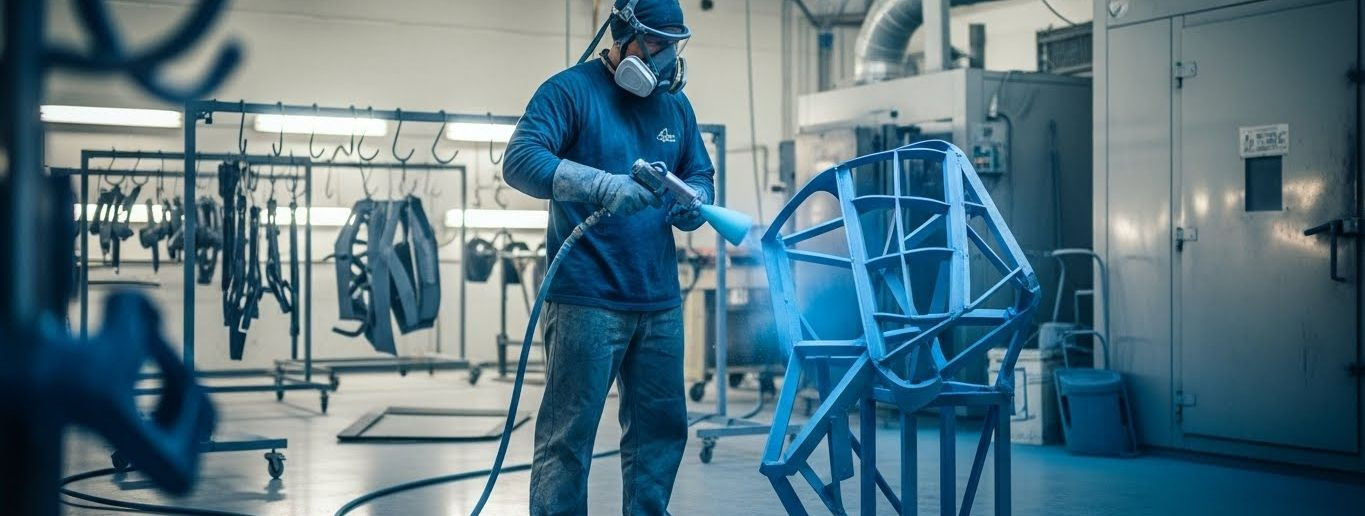
Powder coating involves applying a dry powder to a metal surface, which is then cured under heat to form a hard, protective layer. This method is known for its durability, resistance to chipping, and environmental friendliness, as it emits fewer volatile organic compounds (VOCs) compared to liquid coatings.
Liquid coating, or wet painting, involves applying a liquid paint to a metal surface. It offers a wide range of color options and finishes, making it ideal for projects where aesthetics are a priority. However, it may require more maintenance than powder coating due to its susceptibility to chipping and fading.
Galvanizing is the process of applying a protective zinc coating to steel or iron to prevent rusting. It is commonly used in construction and infrastructure projects due to its excellent corrosion resistance and cost-effectiveness.
Anodizing is an electrochemical process that enhances the natural oxide layer on aluminum surfaces, improving corrosion resistance and allowing for various color finishes. It is widely used in architectural applications and consumer electronics.
Factors to Consider When Choosing a Metal Coating
Consider the environmental conditions the coated metal will be exposed to, such as humidity, temperature fluctuations, and chemical exposure. This will help determine the most suitable coating type for optimal protection.
Assess the durability requirements of your project. For high-wear environments, opt for coatings known for their abrasion resistance and longevity, such as powder coating or galvanizing.
If aesthetics are a priority, consider coatings that offer a wide range of colors and finishes, such as liquid coatings or anodizing. These options allow for customization to match specific design requirements.
Budget constraints are an important factor in choosing a metal coating. While some coatings may have a higher upfront cost, they can offer long-term savings by reducing maintenance and replacement needs.
Evaluating Metal Coating Providers
Choose a provider with extensive experience and expertise in metal coatings. A knowledgeable provider can offer valuable insights and recommendations tailored to your specific project needs.
Ensure the provider has robust quality assurance processes in place to guarantee the consistency and reliability of their coatings. This includes adherence to industry standards and certifications.
Consider the provider's ability to meet your project deadlines. Timely delivery is crucial in maintaining project schedules and avoiding costly delays.
Opt for a provider that offers excellent customer support, including clear communication, responsiveness, and a willingness to address any concerns or issues that may arise during the project.
Comments (0)