


The future of sustainable real estate development

Sustainable real estate development is rapidly becoming a cornerstone of modern urban planning and construction. As environmental concerns and the demand for eco-friendly living spaces grow, developers are increasingly focusing on creating buildings and communities that minimize environmental impact while maximizing efficiency and livability. This shift is not only beneficial for the planet but also aligns with the values of today's homebuyers and investors who prioritize sustainability and innovation.
Key Trends Shaping the Future
Green building technologies are at the forefront of sustainable real estate development. These technologies include the use of sustainable materials, energy-efficient systems, and innovative construction techniques that reduce waste and carbon emissions. From recycled steel to low-VOC paints, the materials used in construction are evolving to meet the demands of a more environmentally conscious market.
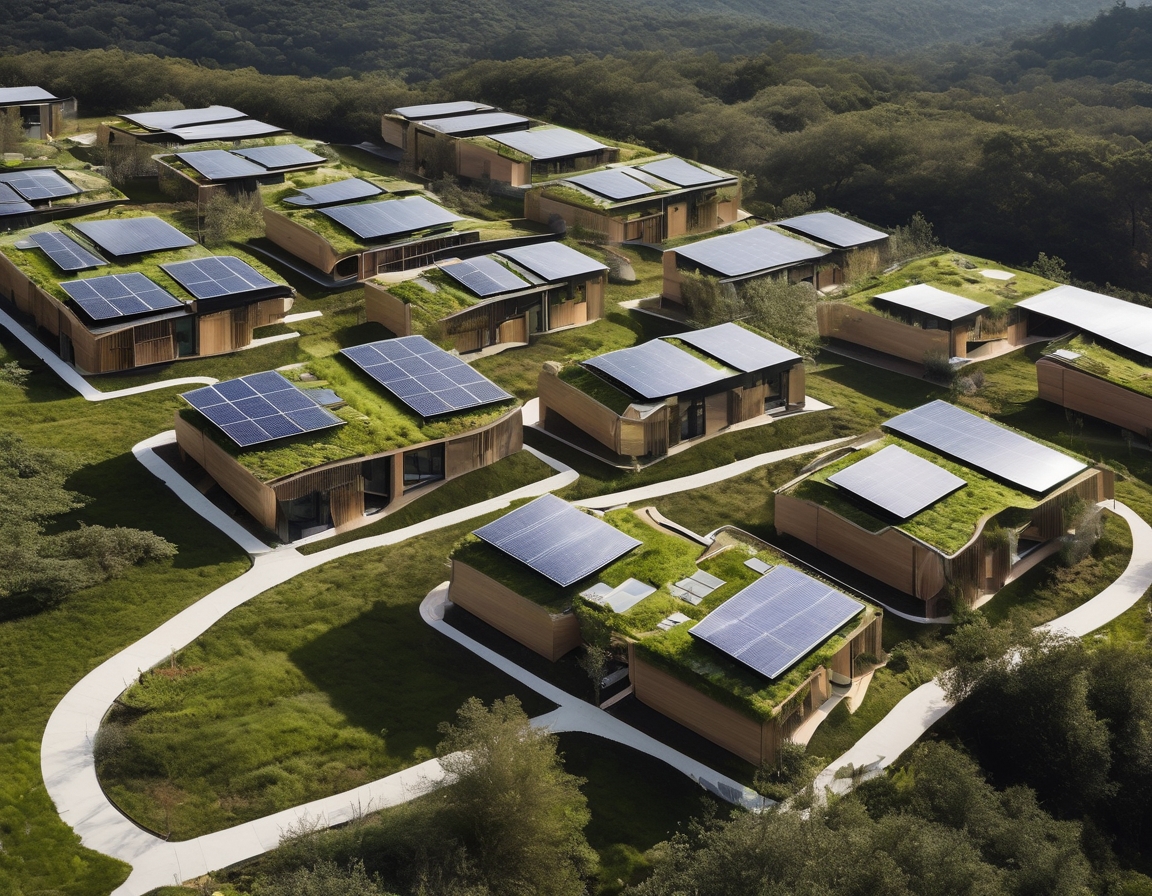
Integrating renewable energy sources such as solar panels, wind turbines, and geothermal systems into real estate projects is becoming increasingly common. These systems not only reduce the carbon footprint of buildings but also offer significant cost savings over time. As technology advances, the efficiency and affordability of these systems continue to improve, making them a viable option for a wider range of developments.
The rise of smart home technology is transforming the way we interact with our living spaces. From automated lighting and climate control to advanced security systems, smart homes offer increased convenience, energy efficiency, and security. These innovations are particularly appealing to tech-savvy buyers who value the integration of technology into their daily lives.
Sustainable real estate development extends beyond individual buildings to encompass entire communities. Urban planning that prioritizes walkability, access to public transportation, and green spaces is essential for creating sustainable, livable environments. Community-focused designs that encourage social interaction and provide amenities such as parks, schools, and retail spaces contribute to the overall quality of life for residents.
Benefits of Sustainable Real Estate
Sustainable real estate development significantly reduces the environmental impact of buildings and communities. By utilizing eco-friendly materials and energy-efficient systems, these developments help conserve natural resources, reduce pollution, and mitigate the effects of climate change.
Investing in sustainable real estate offers numerous economic benefits. Energy-efficient buildings often have lower operating costs, which can lead to higher property values and rental rates. Additionally, government incentives and tax breaks for green building projects can further enhance the financial appeal of sustainable developments.
Sustainable real estate projects often prioritize community well-being and social equity. By creating inclusive, accessible, and vibrant communities, these developments foster a sense of belonging and improve the quality of life for residents. Features such as community gardens, shared spaces, and local amenities contribute to a stronger, more connected community.
Challenges and Opportunities
While the benefits of sustainable real estate are clear, developers must navigate a complex landscape of regulations and policies. Understanding and complying with local, national, and international standards is crucial for the successful implementation of sustainable projects.
Financing sustainable real estate projects can be challenging, as they often require higher upfront costs. However, the long-term savings and potential for increased property values make them attractive investments. Educating investors and stakeholders about the financial benefits of sustainability is key to securing funding and support.
The rapid pace of technological advancement presents both challenges and opportunities for sustainable real estate development. Staying abreast of the latest innovations and integrating them into projects can be daunting, but it also offers the potential to create cutting-edge, future-proof developments that meet the evolving needs of residents and investors.

Comments (0)