


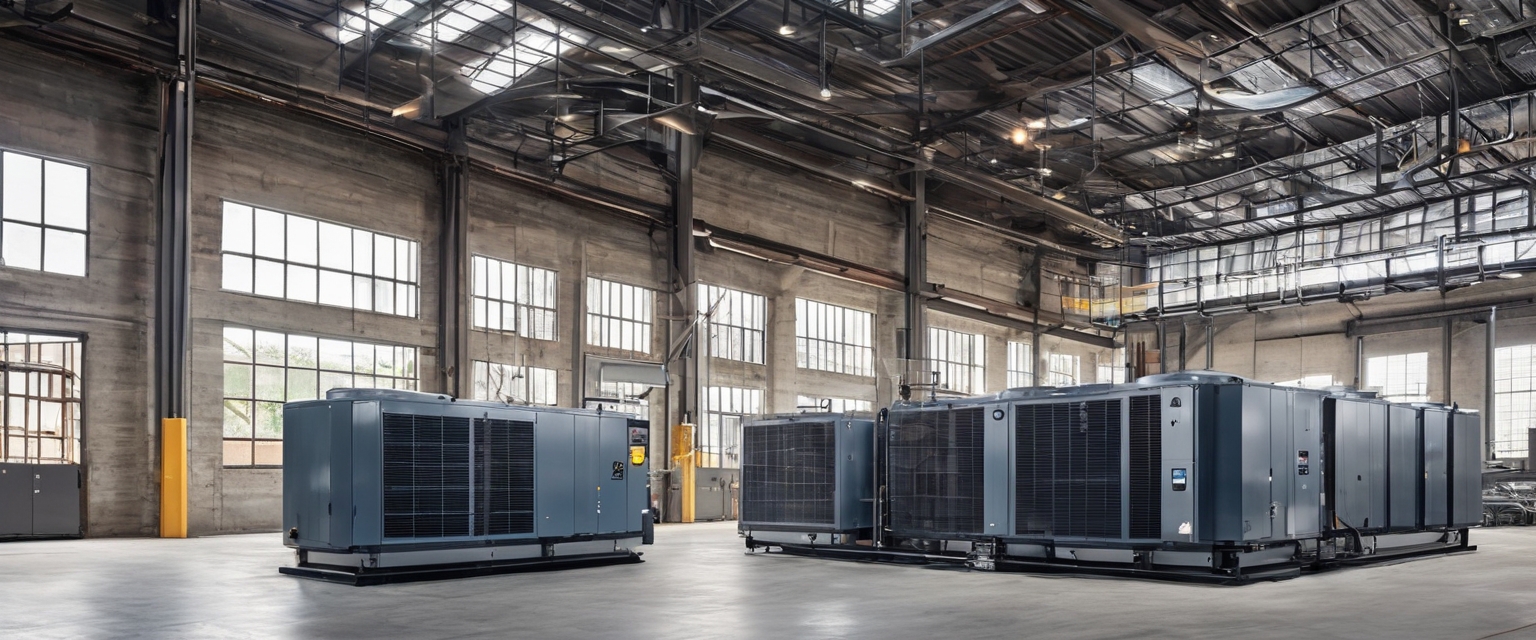
The future of industrial heat pumps

Industrial heat pumps are pivotal in the transition towards more sustainable and energy-efficient industrial processes. These systems transfer heat from one location to another, utilizing a small amount of energy to move heat rather than generate it. This makes them an attractive option for industries looking to reduce energy consumption and carbon emissions.
2. Current Trends in Industrial Heat Pump Technology
Recent advancements in heat pump technology have significantly improved energy efficiency. Modern heat pumps can achieve efficiencies of over 300%, meaning they can produce three times more energy than they consume. This is achieved through innovations in compressor technology, heat exchangers, and refrigerants.
Industrial heat pumps are increasingly being integrated with renewable energy sources such as solar and wind power. This integration not only enhances the sustainability of industrial operations but also provides a more stable and reliable energy supply, reducing dependency on fossil fuels.
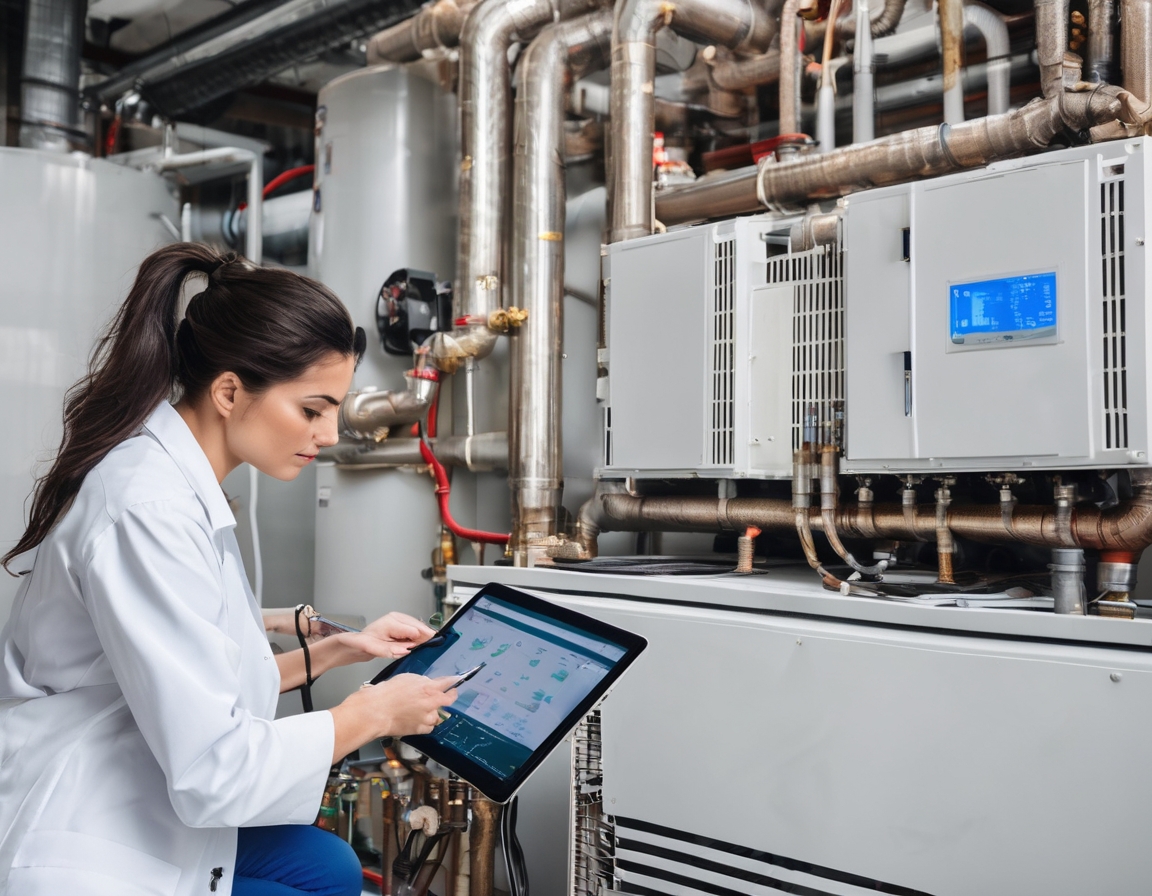
Advanced control systems are being developed to optimize the performance of industrial heat pumps. These systems use real-time data and predictive analytics to adjust operations, ensuring maximum efficiency and reliability. This technological advancement is crucial for industries aiming to minimize operational costs and improve system longevity.
3. Benefits of Industrial Heat Pumps
One of the primary benefits of industrial heat pumps is their potential for significant cost savings. By reducing energy consumption, industries can lower their utility bills and improve their bottom line. Additionally, the long lifespan and low maintenance requirements of heat pumps contribute to further cost reductions over time.
Industrial heat pumps play a crucial role in reducing the environmental impact of industrial operations. By utilizing renewable energy sources and improving energy efficiency, these systems help decrease greenhouse gas emissions and promote a more sustainable industrial sector.
Heat pumps are known for their reliability and low maintenance needs. With fewer moving parts compared to traditional heating systems, they experience less wear and tear, resulting in fewer breakdowns and lower maintenance costs. This reliability is essential for industries that require consistent and uninterrupted heating and cooling.
4. Challenges Facing Industrial Heat Pumps
Despite their long-term benefits, the initial investment cost of industrial heat pumps can be a barrier for some businesses. The upfront expense of purchasing and installing these systems can be significant, although this is often offset by the energy savings achieved over time.
While heat pump technology has advanced considerably, there are still limitations to its application in certain industrial processes. High-temperature applications, for example, may require additional technological developments to make heat pumps a viable option.
Regulatory and policy barriers can also pose challenges for the adoption of industrial heat pumps. In some regions, outdated regulations or lack of incentives can hinder the implementation of these systems, despite their environmental and economic benefits.
5. Future Prospects for Industrial Heat Pumps
The future of industrial heat pumps is bright, with ongoing research and development promising further technological innovations. These advancements are expected to enhance the efficiency, capacity, and applicability of heat pumps across a wider range of industrial processes.
The market for industrial heat pumps is poised for significant growth, driven by increasing demand for sustainable energy solutions and supportive government policies. This growth presents numerous opportunities for businesses to invest in and benefit from this technology.
As industries worldwide strive to adopt more sustainable practices, industrial heat pumps will play a crucial role in achieving these goals. By reducing energy consumption and emissions, heat pumps contribute to a more sustainable and environmentally friendly industrial sector.

Comments (0)