


The art of sushi: a culinary journey

Sushi, a culinary art form that has captivated food lovers worldwide, traces its origins back to ancient Japan. Originally a method of preserving fish in fermented rice, sushi has evolved into a sophisticated cuisine that celebrates the harmony of flavors and textures. Today, sushi is not only a staple of Japanese culture but also a global phenomenon, cherished for its simplicity and elegance.
The Essentials of Sushi Making
The foundation of any sushi dish lies in its ingredients. High-quality sushi rice, fresh fish, and seaweed are essential components. Sushi rice, seasoned with vinegar, sugar, and salt, provides the perfect balance of flavor and texture. Fresh fish, whether it be tuna, salmon, or eel, must be of the highest quality to ensure a delectable taste. Seaweed, or nori, adds a unique umami flavor and is often used to wrap sushi rolls.
Creating sushi requires precision and skill, aided by specialized tools. A sharp sushi knife, or yanagiba, is crucial for slicing fish with accuracy. Bamboo mats, or makisu, are used to roll sushi tightly, while a rice paddle, or shamoji, helps in mixing and spreading rice evenly. These tools, combined with the expertise of a sushi chef, bring the art of sushi to life.
Types of Sushi: Exploring the Varieties
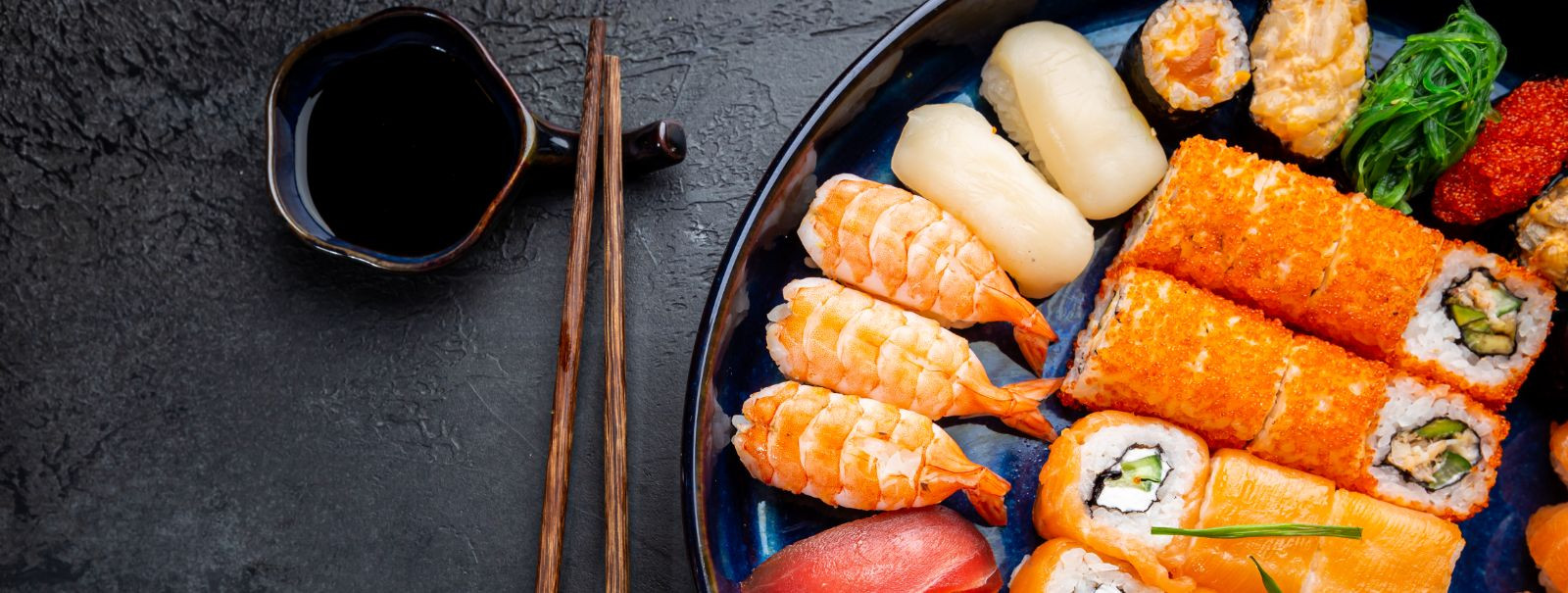
Nigiri is a classic form of sushi, consisting of a small mound of rice topped with a slice of fish or seafood. This type of sushi highlights the freshness and quality of the ingredients, offering a pure and unadulterated taste experience.
While not technically sushi, sashimi is often associated with it. Sashimi is thinly sliced raw fish or seafood, served without rice. It is a testament to the skill of the chef, as the quality and presentation of the fish are paramount.
Maki sushi, or rolled sushi, is perhaps the most recognizable form. It consists of rice and fillings wrapped in seaweed and sliced into bite-sized pieces. Maki offers endless possibilities for creativity, with a variety of fillings and flavors.
Temaki, or hand rolls, are cone-shaped sushi rolls filled with rice, fish, and vegetables. They are designed to be eaten with the hands, offering a casual and interactive dining experience.
Uramaki, or inside-out rolls, feature rice on the outside and seaweed on the inside. This style of sushi is popular in Western countries and often includes a variety of fillings and toppings.
The Art of Sushi Presentation
Presentation is a crucial aspect of sushi, reflecting the artistry and attention to detail of the chef. Each piece is meticulously crafted to be visually appealing, with vibrant colors and harmonious arrangements. The presentation enhances the dining experience, inviting diners to savor each bite.
Sushi Etiquette: Dining the Japanese Way
Understanding sushi etiquette is essential for an authentic dining experience. In Japan, sushi is traditionally eaten with the hands, and soy sauce should be used sparingly to avoid overpowering the delicate flavors. It is customary to eat nigiri in one bite and to enjoy the pickled ginger as a palate cleanser between different types of sushi.
Sushi and Health: Nutritional Benefits
Sushi is not only delicious but also offers numerous health benefits. Rich in omega-3 fatty acids, sushi supports heart health and brain function. The combination of fish, rice, and vegetables provides a balanced meal, high in protein and low in calories. Sushi is an excellent choice for those seeking a nutritious and satisfying dining option.
Sushi in Tallinn: A Local Perspective
For sushi enthusiasts in Tallinn, the city offers a vibrant sushi scene with diverse options. SUSHI PANDA OÜ is at the forefront, providing authentic Japanese cuisine with a modern twist. Our menu features a wide range of sushi varieties, crafted with the finest ingredients and delivered with convenience in mind. Whether you're dining in or ordering online, SUSHI PANDA OÜ ensures a memorable sushi experience.

Comments (0)