


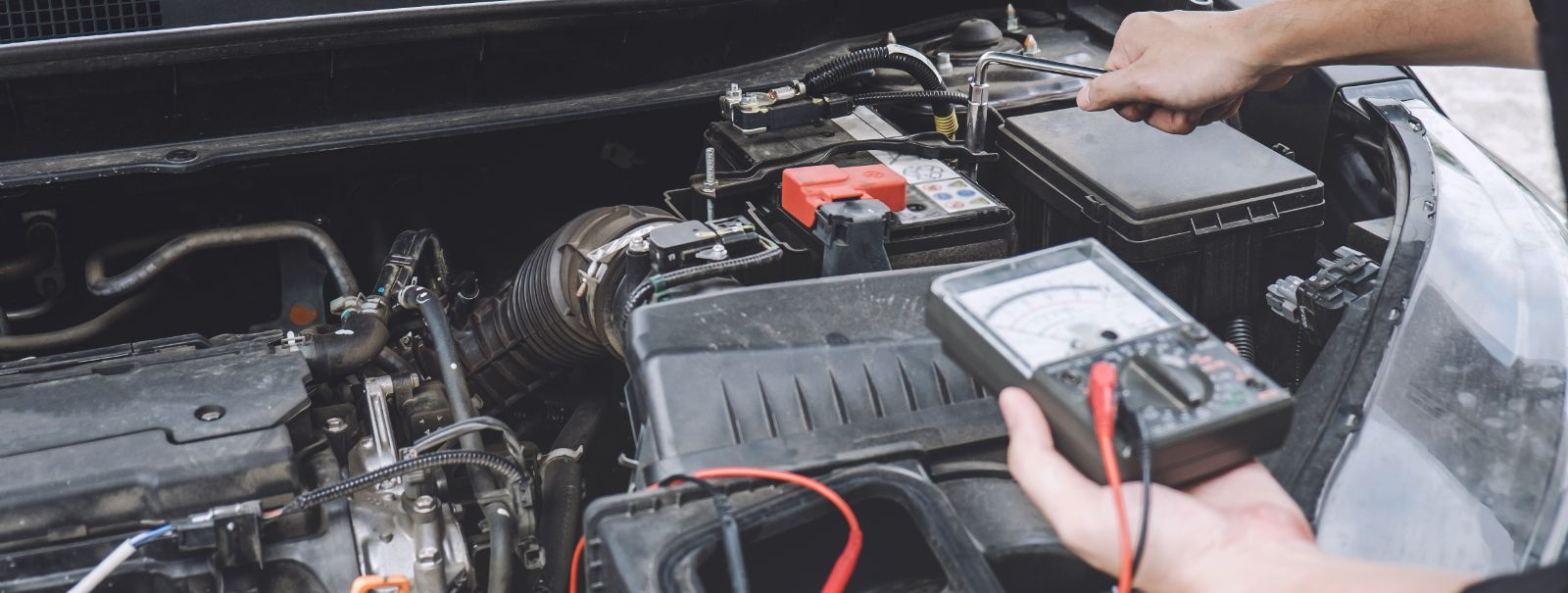
The importance of automotive electronics maintenance

In today's rapidly evolving automotive industry, electronics play a pivotal role in the functionality and performance of modern vehicles. From engine management systems to advanced driver assistance systems, automotive electronics are integral to the operation and safety of cars. As vehicles become more technologically advanced, the importance of maintaining these electronic systems cannot be overstated.
Common Automotive Electronic Systems
The Engine Control Unit is the brain of the vehicle, responsible for managing engine performance, fuel efficiency, and emissions. Regular maintenance of the ECU ensures optimal engine performance and longevity.
ABS prevents the wheels from locking up during braking, maintaining traction with the road surface. Proper maintenance of ABS is crucial for safe driving, especially in adverse weather conditions.
Infotainment systems provide entertainment and information to drivers and passengers. Regular updates and maintenance ensure these systems function smoothly and remain compatible with new technologies.
ADAS includes features like adaptive cruise control, lane departure warning, and automatic emergency braking. These systems enhance safety and require regular calibration and maintenance to function correctly.
Why Regular Maintenance is Crucial
Regular maintenance helps identify potential issues before they become major problems, saving car owners from expensive repairs and replacements.
Well-maintained electronic systems ensure that vehicles perform at their best, providing a smoother and more efficient driving experience.
Properly functioning electronics are essential for vehicle safety. Regular maintenance ensures that safety features like airbags and braking systems are always ready to perform when needed.
Signs Your Automotive Electronics Need Maintenance
Dashboard warning lights are often the first indication of an issue with the vehicle's electronic systems. Ignoring these warnings can lead to more significant problems.
Strange noises, erratic performance, or unexpected behavior can indicate electronic malfunctions that require immediate attention.
Issues with the infotainment system, such as unresponsive screens or connectivity problems, can be signs of underlying electronic issues.
Best Practices for Automotive Electronics Maintenance
Routine diagnostic checks can identify potential issues early, allowing for timely repairs and maintenance.
Keeping software up to date ensures compatibility with new technologies and improves system performance.
Regular inspections by qualified professionals ensure that all electronic systems are functioning correctly and efficiently.
Choosing the Right Service Provider
Choose a service provider with extensive experience and expertise in automotive electronics to ensure high-quality maintenance and repairs.
Look for providers who offer comprehensive services, including diagnostics, repairs, and updates, to keep your vehicle's electronics in top condition.
Check customer reviews and testimonials to gauge the reliability and quality of service provided by the company.


Comments (0)