


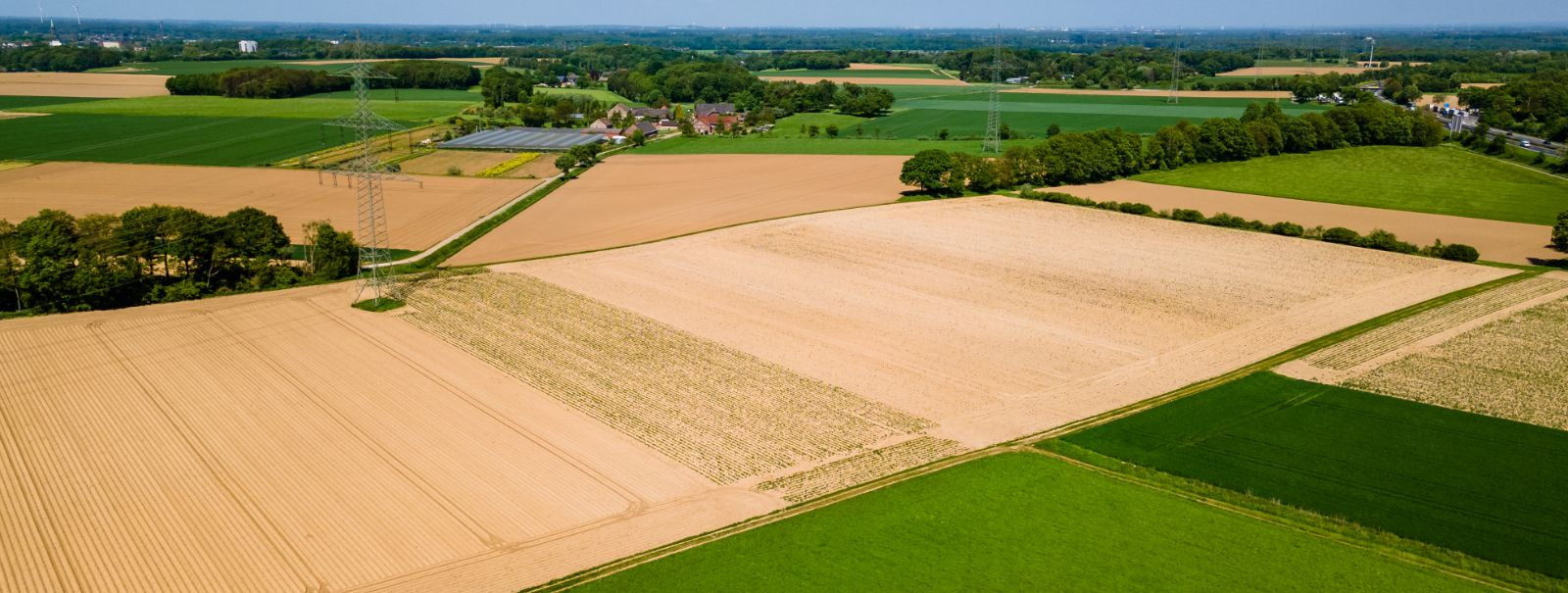
How to navigate farmland purchases successfully

The farmland market is experiencing a surge in interest due to its potential for stable returns and its role in sustainable development. Investors are increasingly looking at farmland as a hedge against inflation and a means to diversify their portfolios. Understanding these trends is crucial for making informed investment decisions.
Several factors influence the value of farmland, including location, soil quality, water availability, and market demand for crops. Additionally, economic conditions, government policies, and technological advancements in agriculture can significantly impact land values.
Identifying the Right Farmland
Location is a critical factor in farmland investment. Proximity to markets, transportation infrastructure, and urban centers can enhance the land's value and accessibility. Investors should consider these aspects when evaluating potential purchases.
High-quality soil and reliable water resources are essential for productive farmland. Conducting soil tests and assessing water availability can help determine the land's agricultural potential and long-term viability.
Understanding local environmental and zoning regulations is vital to ensure compliance and avoid legal issues. These regulations can affect land use, development potential, and environmental conservation efforts.
Financial Considerations
Establishing a clear budget and exploring various financing options, such as loans, grants, and partnerships, can facilitate the purchasing process. Investors should also consider potential tax implications and incentives related to farmland ownership.
Assessing the potential return on investment (ROI) involves analyzing crop yields, market trends, and operational costs. A thorough financial analysis can help investors make informed decisions and maximize their returns.
Legal Aspects of Farmland Purchases
Ensuring clear property rights and titles is crucial to avoid disputes and secure ownership. Conducting a thorough title search and understanding easements, leases, and other encumbrances can prevent future legal complications.
Drafting and reviewing contracts and agreements with legal professionals can safeguard investments and clarify terms. This step is essential for establishing clear expectations and responsibilities between parties involved.
Sustainable Land Management Practices
Adopting sustainable farming practices, such as crop rotation, organic farming, and conservation tillage, can enhance soil health and productivity. These techniques contribute to environmental sustainability and long-term land value.
Developing a comprehensive land stewardship plan ensures the preservation and enhancement of farmland resources. This includes managing natural habitats, conserving water, and promoting biodiversity.
Partnering with Experts
Engaging experienced real estate agents and consultants can provide valuable insights and guidance throughout the purchasing process. Their expertise can help identify suitable properties, negotiate deals, and navigate regulatory requirements.
Collaborating with agricultural experts, financial advisors, and legal professionals can enhance decision-making and ensure successful transactions. These partnerships can provide the necessary support to navigate the complexities of farmland purchases.


Comments (0)