


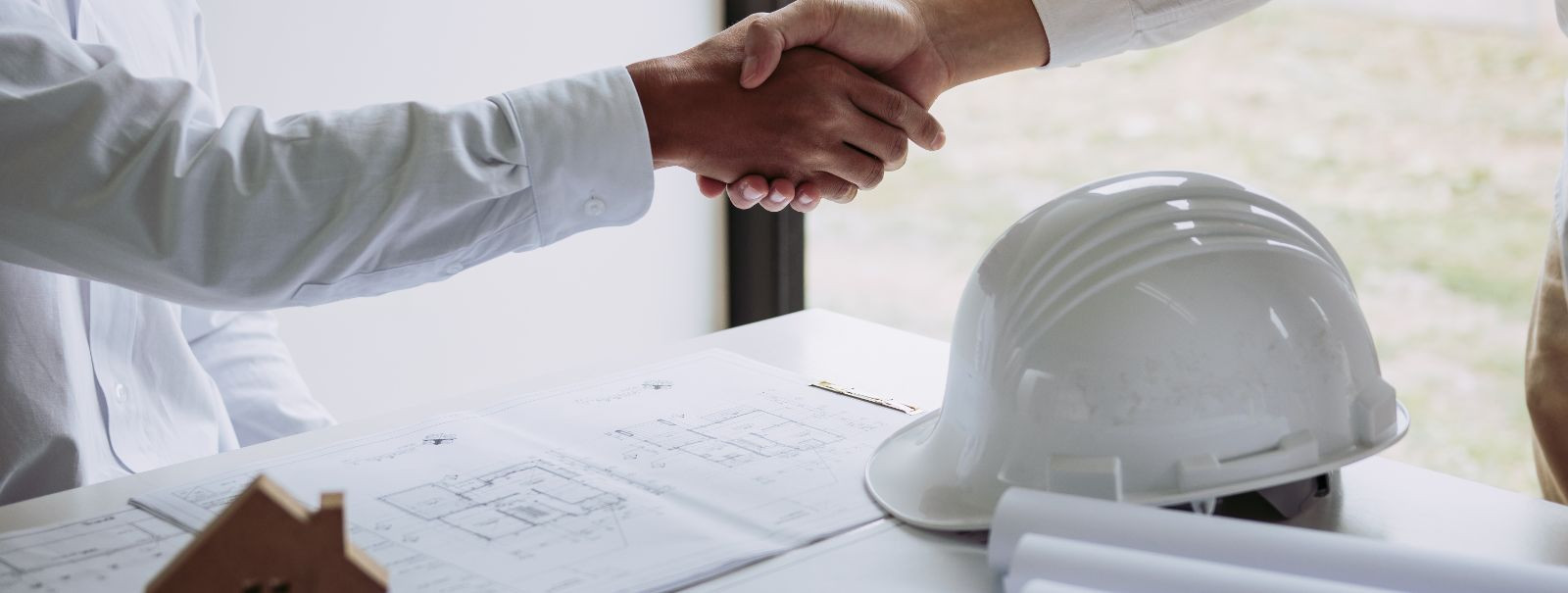
How to choose the right construction partner

Before embarking on the journey of selecting a construction partner, it is crucial to have a clear understanding of your project scope and objectives. This involves outlining the specific requirements of your construction project, whether it is a residential, commercial, or industrial development. Clearly defined objectives will guide your selection process and ensure alignment with potential partners.
Budget is a fundamental aspect of any construction project. Establishing a realistic budget that encompasses all phases of the project, from design to completion, is essential. Consider potential cost overruns and ensure that your financial plan is flexible enough to accommodate unforeseen expenses. A reliable construction partner will work with you to optimize costs without compromising on quality.
Time is often of the essence in construction projects. Define your timeline expectations early in the planning process. This includes setting milestones for different phases of the project and establishing a realistic completion date. A competent construction partner will provide a detailed project schedule and adhere to agreed timelines.
2. Researching Potential Construction Partners
Experience and expertise are critical factors when choosing a construction partner. Look for companies with a proven track record in projects similar to yours. Evaluate their technical capabilities and the qualifications of their team members. An experienced partner will bring valuable insights and innovative solutions to your project.
Request references and review past projects to assess the quality of work delivered by potential partners. Speak with previous clients to gain insights into their experiences and satisfaction levels. Visiting completed projects can also provide a tangible sense of the partner's craftsmanship and attention to detail.
A construction partner's reputation is a strong indicator of their reliability and professionalism. Research online reviews, industry accolades, and any potential red flags. A reputable partner will have a solid standing in the industry and a history of delivering projects on time and within budget.
3. Evaluating Construction Partner Capabilities
Choose a construction partner that offers a comprehensive range of services, from design and planning to construction and post-completion support. This ensures a seamless transition between different project phases and reduces the need for multiple contractors.
In today's construction landscape, innovation and sustainability are paramount. Evaluate potential partners on their commitment to eco-friendly practices and their ability to incorporate modern design elements. A forward-thinking partner will prioritize sustainable materials and energy-efficient solutions.
Quality assurance and safety are non-negotiable in construction projects. Ensure that your partner adheres to stringent quality control measures and complies with all safety regulations. A partner with robust safety protocols will minimize risks and ensure a safe working environment.
4. Communication and Collaboration
Effective communication is the cornerstone of a successful construction project. Establish clear communication channels with your partner to facilitate timely updates and address any concerns promptly. Regular meetings and progress reports will keep all stakeholders informed and engaged.
A collaborative approach to problem-solving fosters a positive working relationship. Choose a partner who values your input and is open to feedback. Collaborative partners are more likely to find creative solutions to challenges and ensure project success.
Transparency is key to building trust with your construction partner. Ensure that they provide detailed reports and updates on project progress, budget status, and any potential issues. Transparent partners will keep you informed and involved throughout the project lifecycle.
5. Contractual and Legal Considerations
Before signing any agreements, thoroughly review the contract terms and conditions. Ensure that all aspects of the project, including scope, timeline, and payment terms, are clearly defined. A well-drafted contract protects both parties and minimizes the risk of disputes.
Verify that your construction partner has adequate insurance and liability coverage. This protects you from potential financial losses in the event of accidents or damages during the project. A responsible partner will have comprehensive insurance policies in place.
Despite best efforts, disputes can arise in construction projects. Ensure that your contract includes clear dispute resolution mechanisms, such as mediation or arbitration. Having a predefined process for resolving conflicts will help maintain a positive working relationship.
Comments (0)