

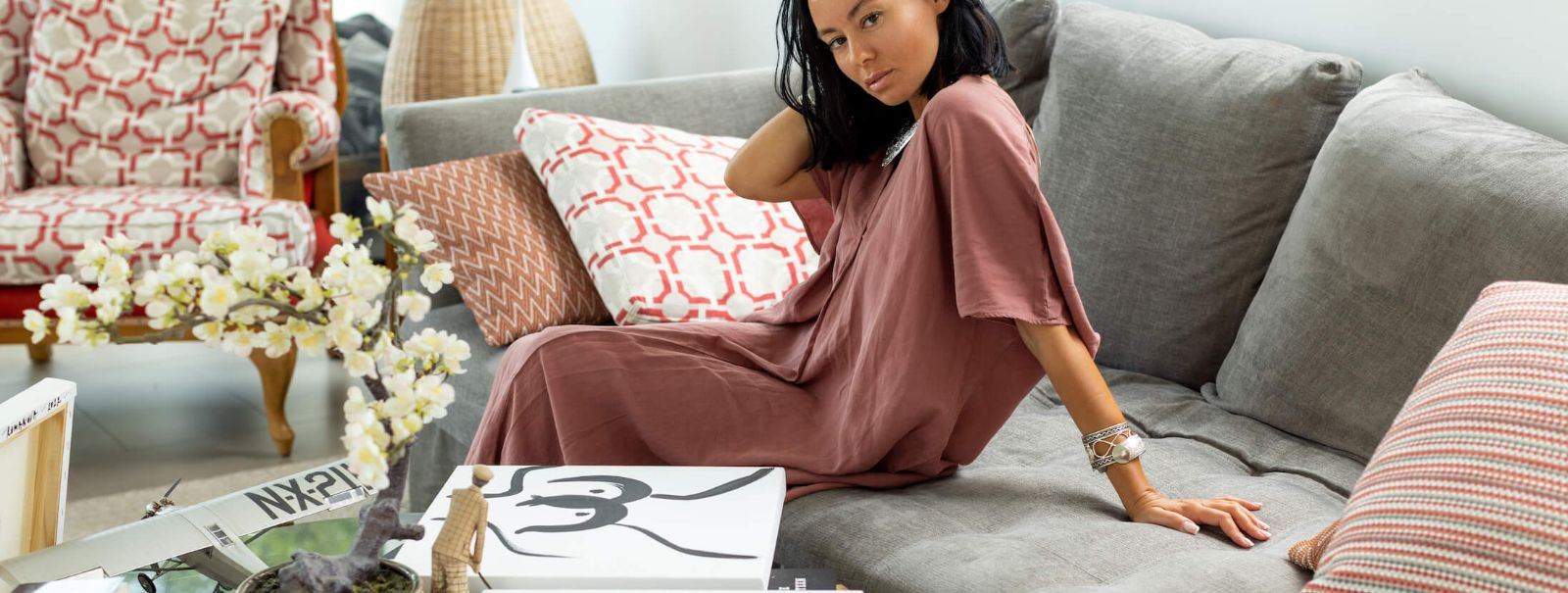
How to choose art for your home

Choosing art for your home begins with understanding your personal style. Reflect on the colors, themes, and emotions that resonate with you. Are you drawn to bold, vibrant pieces or do you prefer subtle, minimalist designs? Your aesthetic preferences will guide you in selecting art that feels authentic and meaningful.
Take into account the current decor of your home. The art you choose should complement your furniture, color schemes, and overall ambiance. Consider whether you want the art to blend seamlessly with your decor or stand out as a statement piece.
Exploring Different Art Styles
Contemporary art is characterized by its dynamic and innovative nature. It often reflects current societal trends and can be a great way to introduce modernity into your home. Look for pieces that challenge traditional boundaries and provoke thought.
Abstract art offers a departure from reality, focusing on shapes, colors, and forms. It allows for personal interpretation and can evoke a range of emotions. Consider abstract pieces if you appreciate art that invites contemplation and discussion.
Beyond contemporary and abstract art, explore other styles such as impressionism, realism, or pop art. Each style offers unique characteristics and can cater to different tastes and home environments.
Determining the Purpose of Art in Your Space
Art can serve as a focal point in a room, drawing attention and anchoring the space. Choose pieces that stand out and capture the eye, especially in areas like living rooms or entryways.
Art has the power to influence the mood of a room. Consider how different pieces make you feel and how they can enhance the atmosphere of your home. Calming landscapes might suit a bedroom, while vibrant abstracts could energize a workspace.
Assessing the Space and Scale
Before purchasing art, measure the wall space where you intend to hang it. This ensures that the piece fits well and maintains balance within the room. Consider the height at which the art will be displayed for optimal viewing.
The size of the art should be proportionate to the wall and surrounding furniture. Large pieces can dominate a small room, while small pieces might get lost on a large wall. Aim for a harmonious balance that complements the space.
Budgeting for Art
Art can range from affordable prints to high-end originals. Determine a budget that aligns with your financial situation and art goals. Remember that investing in art is also an investment in your home’s aesthetic and emotional value.
While budget is important, prioritize quality over quantity. A few well-chosen pieces can have a greater impact than numerous lower-quality items. Look for works by reputable artists or galleries to ensure authenticity and craftsmanship.
Sourcing Art
Online platforms offer a vast selection of art from around the world. They provide convenience and access to diverse styles and artists. Ensure the platform is reputable and offers secure transactions and return policies.
Visiting local art fairs and exhibitions allows you to experience art in person and connect with artists. This can be a rewarding way to discover unique pieces and support local talent.
Authenticity and Quality Assurance
Research the artist’s background and credentials to ensure authenticity. Look for artist statements, exhibition history, and reviews. This information can provide insight into the artist’s reputation and the value of their work.
Familiarize yourself with different art mediums and materials. This knowledge can help you assess the quality and longevity of a piece. Consider factors such as the type of paint, canvas, or paper used, as well as framing options.

Comments (0)