


Optimisation of drying: real-time temperature and humidity control for energy-efficient production

Drying optimisation combines accurate sensor construction, intelligent models and clear control buttons to achieve consistent product quality and lower energy consumption. Real-time temperature and humidity control allows accurate control of the drying process and reduces waste and discards in production.
What does the solution do?
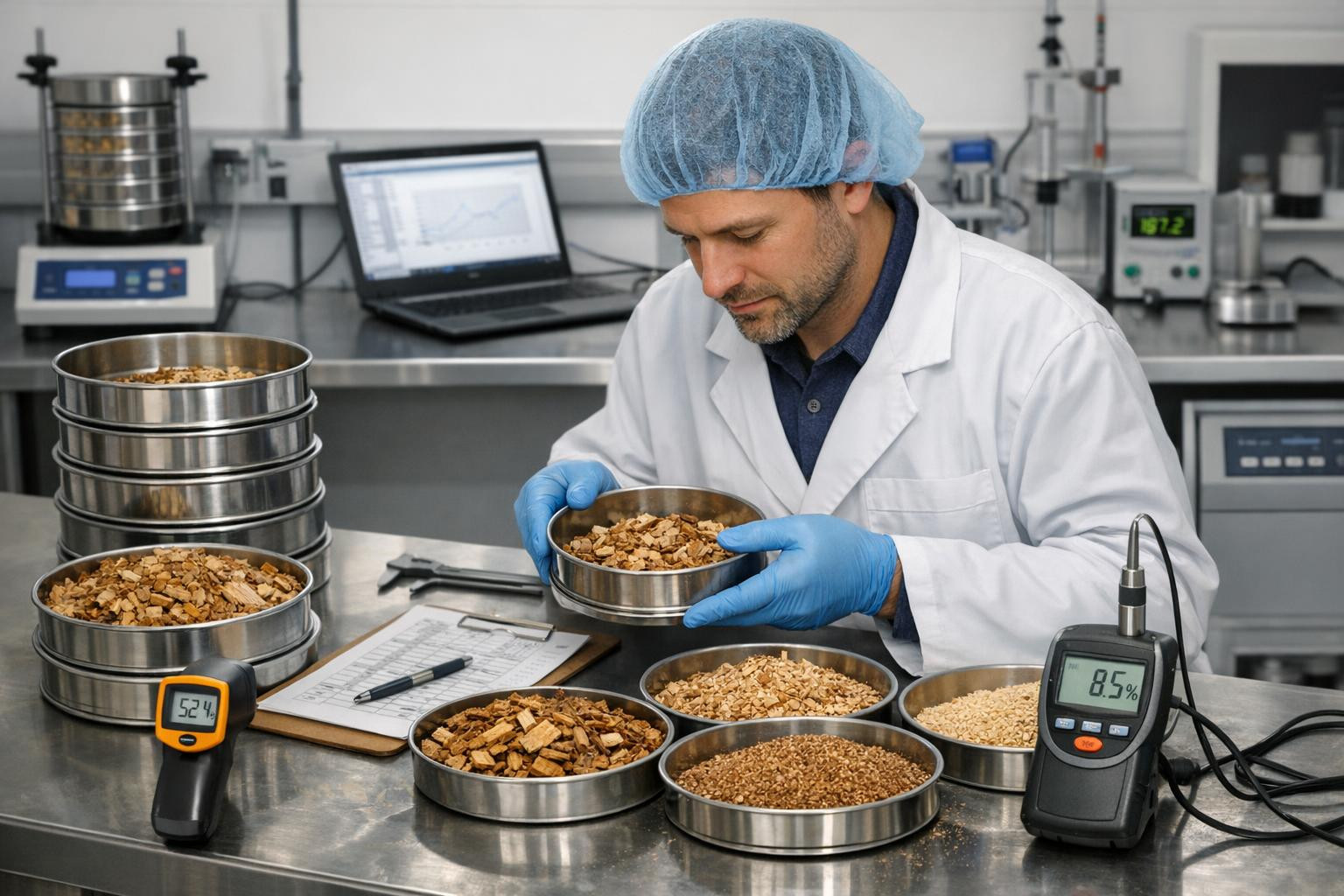
The system offered monitors and regulates the operation of dryers, focusing on dryers' temperature and humidity control , as well as collecting data to measure and optimise the energy use of . The system creates a time-constant data log and uses it for moisture content trend analysis and data logging , which in turn allows drying forecasting and drying curves modelling .
Who benefits from this?
- Food and agriculture industries where the moisture levels and food safety of the final products are relevant. l >l >l >l >l >l >l >l >l >l >l
- Quality cleaning: lower humidity fluctuations and better end-to-end equilibrium.
- Energy saving: optimised drying process reduces fuel and electricity costs. li>Less waste: correct drying minimisation reduces the risk of discards and destruction.
- Effective planning: forecasts and drying curves allow shorter cycles and higher capacity.
l l >l l >l l >l >l <hl <hl Real time temperature and moisture management:l >l >l >l >l >l >l >l >l l <hhm As a result, product variability will decrease, energy use will improve and production predictability will increase. Proactive forecasting allows you to react before the problem becomes costly. Measurable results
How to start?
l >l l >l >l <hl <hl Real time temperature and moisture management:l >l >l >l >l >l >l >l >l l <hhm As a result, product variability will decrease, energy use will improve and production predictability will increase. Proactive forecasting allows you to react before the problem becomes costly. Measurable results
How to start?
Measurable results
How to start?
Process assessment begins with an objective customer data analysis, which determines optimal sensor settings, control parameters and modeling strategies. Subsequent to the introduction and training of the system, after which energy and quality growth can be measured back.
The optimisation of the drying brings a rapid ROI, reduces the dispersion of the process and gives the company a clear competitive advantage through proven energy savings and improved product quality.
Comments (0)