SMART KIDS OÜ

Media page and news feed
?
Creative and science-based early language learning for pre-school age  Early language learning focuses on the natural curiosity and playful learning of Moderns

Early language learning: establishing a strong linguistic basis in pre-school age

Creative and science-based early language learning for pre-school age

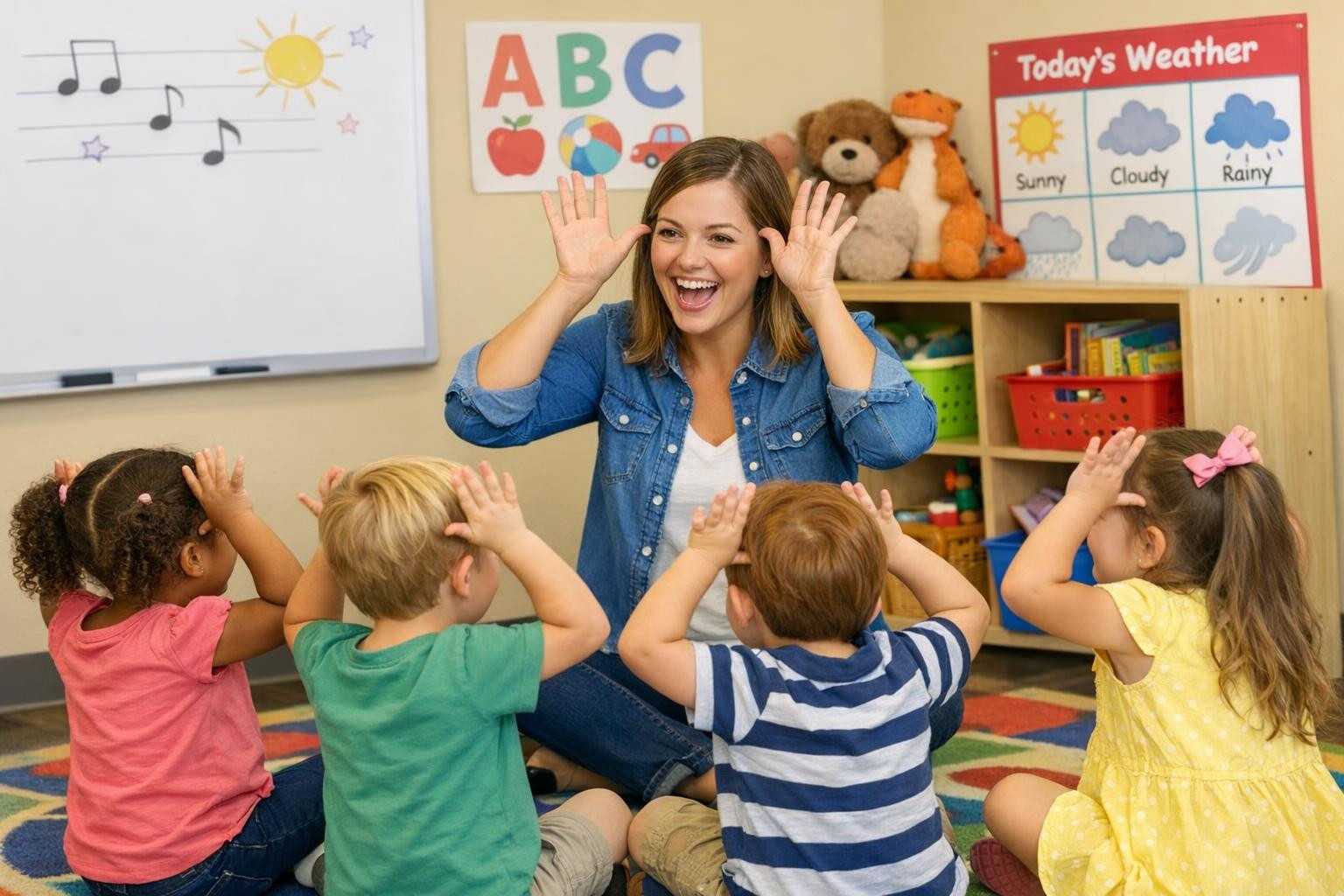
Early language learning focuses on the natural curiosity and playful learning of Moderns in order to shape lifelong language interest and strong communication skills. Through integrated listening and speaking exercises, the development of vocabulary, the strengthening of sound perception and self-confidence in daily communication are born - exactly what is sought for the organisation of high-quality language training for pre-school age .

For whom

The fundamentally adapted activities are intended for children aged 2-6 years. A perfect choice for those who want to support a child's ability to speak and listen before school age: language learning for pre-school age helps children achieve better self-confidence and a more smooth habit in new social situations.

Why does it work

The study programme is based on development psychology and best practice in language learning. Creative listening tasks and short speaking sessions follow a rhythm appropriate to the child's attention, which makes the language learning of small children effective, fun and sustainable. Through smart repetitions and positive feedback, natural linguistic intuition develops.

Main characteristics

  • Play-base hourly schedules and short micro-learning pieces that support the development of language skills in modulants
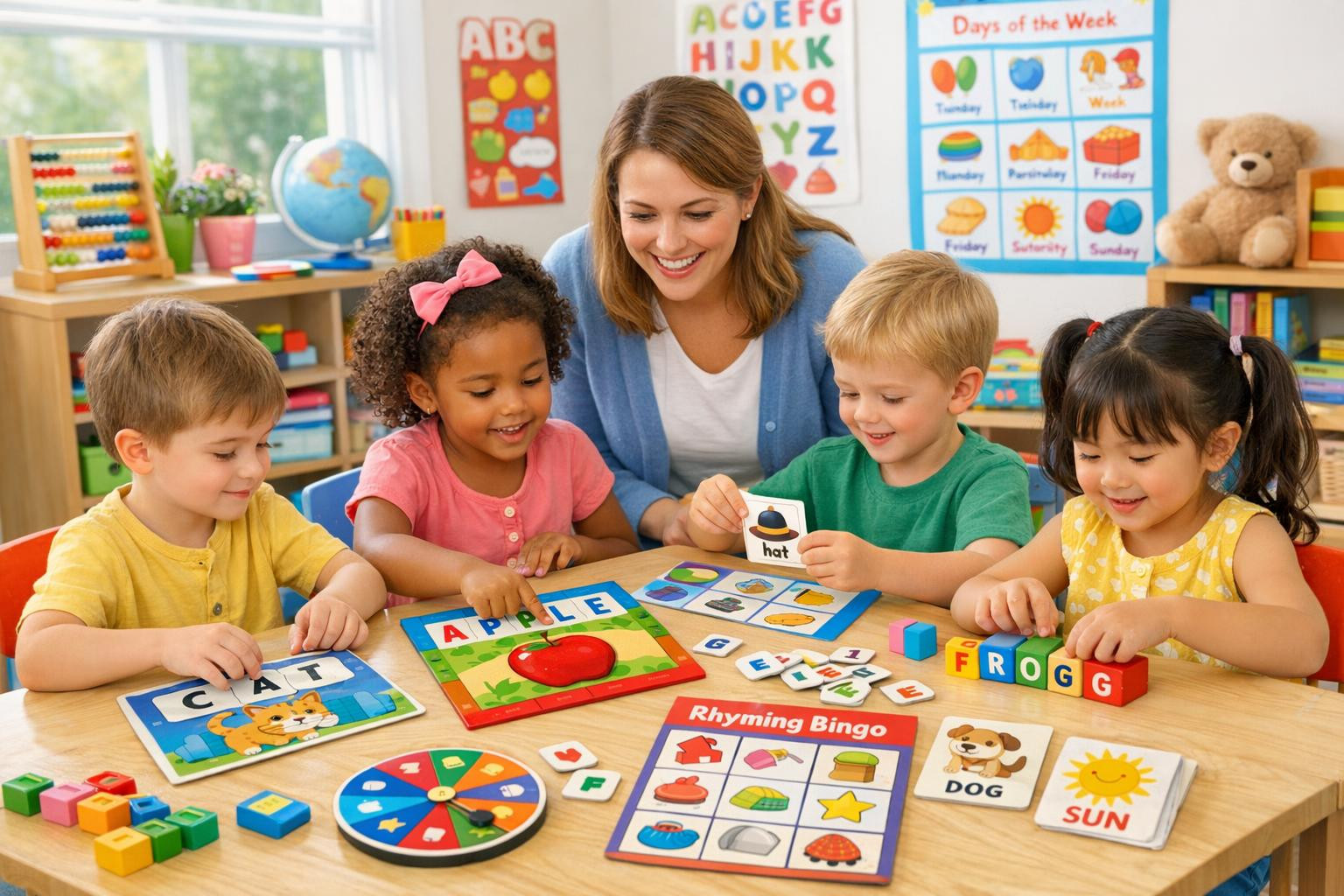
  • Qualified tutors and small groups so that each child can receive individual attention.
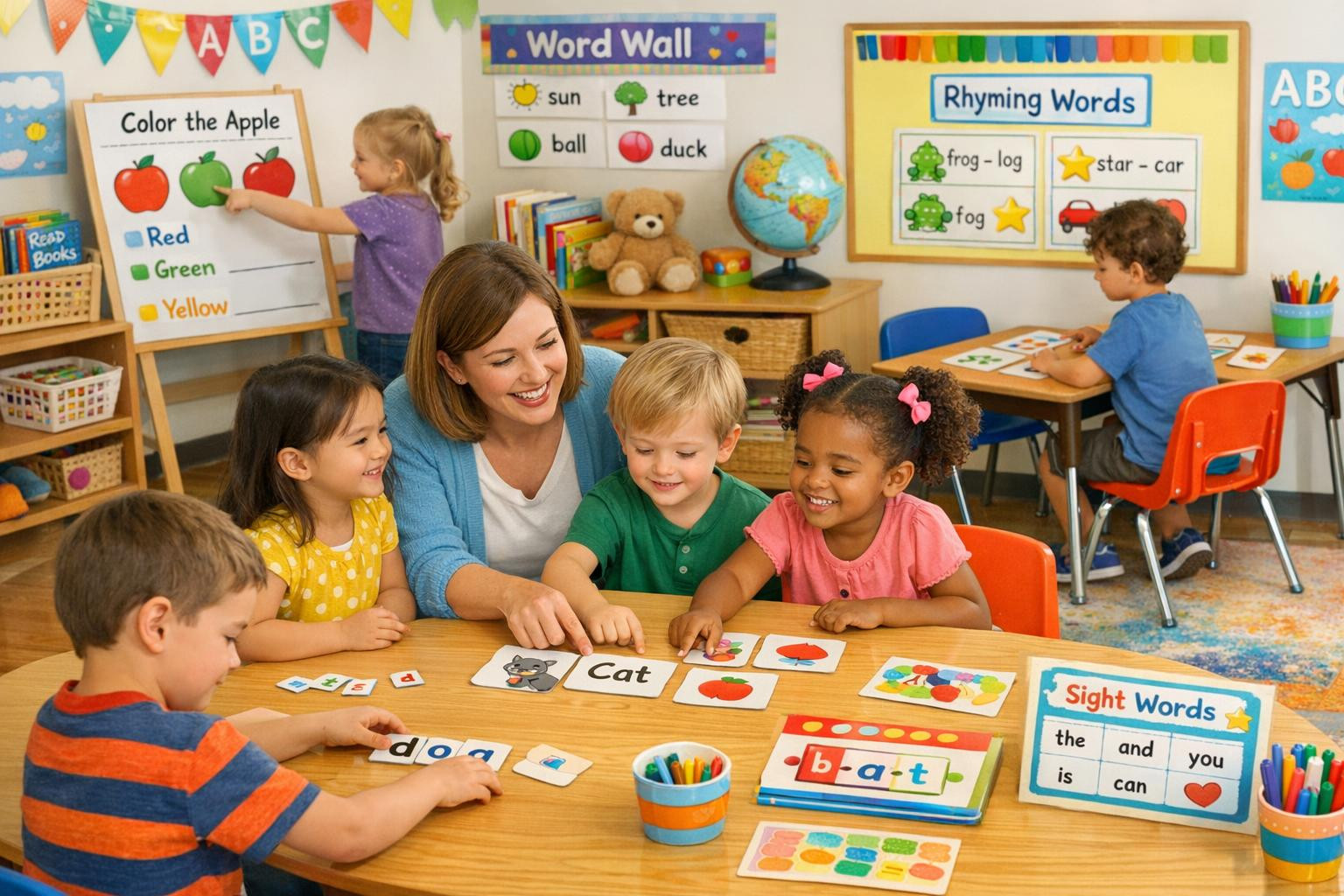
  • li>Li>Multimedia and sensory material: songs, stories, motion games and picture games.Li>Li>Regular development control and personal recommendations for next steps.

    Kasu children and parents

    Language learning for young children improves social skills, promotes self-confidence and reduces the stress associated with schooling. Parents will get a clear overview of the development of the child and practical ideas for daily language education.

    What distinguishes

    • Focus on early listening and speaking activities, not just passive language contact.
    • Individual development turnaround: emphasis on small progress that accumulates in favour of long-term language skills.
    • Integrated parents' support and home exercises, that development of language skills in modulars would continue outside hours.

    Simple introductions and brief introductory conversations with the family provide a clear overview of the needs of the child. A suitable group or individual plan, together with a homework plan and regular development checks, shall then be identified. The results can be seen quickly: more words, better listening skills and the courage to speak in a new environment.

    If the aim is safe and joy-based language education, it is worth starting early - earlier intervention will create a stronger and more natural language for the future. Explore options, find a suitable group or individual training and give the child the best start in language skills.
Comments (0)


Are you sure you want to delete this article?

Dropdown

all articles

Playing early language courses in interest schools for children - vocabulary and self-confidence grows by playing

Why does a playful early language learning work?   The playful language learning combines a critical period of natural curiosity and language development of a c
ssb.ee
Why does a playful early language learning work? The playful language learning combines a critical period of natural curiosity and language development of a child, providing a safe and happy environment where small students discover new words and sounds. Early language learning focuses on the development of listening and speaking skills and provides a solid basis for further learning through the game, songs and movement. Who benefits from this? The program is designed for pre-school children and mud children who start their language journey or want to strengthen the existing vocabulary.

Gaming language learning for children - fun vocabulary and confident communication

What does playful language learning offer?   < The playful language learning   is an approach where language learning takes place through active and joyful a
ssb.ee
What does playful language learning offer? < The playful language learning is an approach where language learning takes place through active and joyful activities that attract the attention of the child and support the natural acquisition. The hours are structured in such a way that language exercises through games become a fun habit: songs, rhythm games, movement tasks and creative narratives give context to a new vocabulary and encourage communication. Who is suitable? Ideal choice is especially for mud kids and primary class kids, but also for those who need language practice

Interested school hours: fun and structured language learning for children in group hours

Interest school classes  offer playful and result-based  Interest school language courses for children , where language classes in small groups are designed to
ssb.ee
Interest school classes offer playful and result-based Interest school language courses for children , where language classes in small groups are designed to support the development of the child. Songs, rhymes and communication exercises focus attention, encourage active participation and speed up the development of conversation skills at an early age. Who benefits from this? Ideal choice for the age of 3-10 years: both students who need supervised language playground, as well as pre-school and primary school children who want to speak more boldly and supplement the vocabulary. The

Are you sure you want to delete this article?

Loader

Loader

App Ad

Scorestorybook Chrome extension

The Storybook extension tells you which company's website you are currently on and how reliable that company is today. download extension

See the background of the caller! Storybook App brings you direct contacts for 400,000 Estonian companies and individuals (managers, officials). The data is enriched with solvency and financial information.